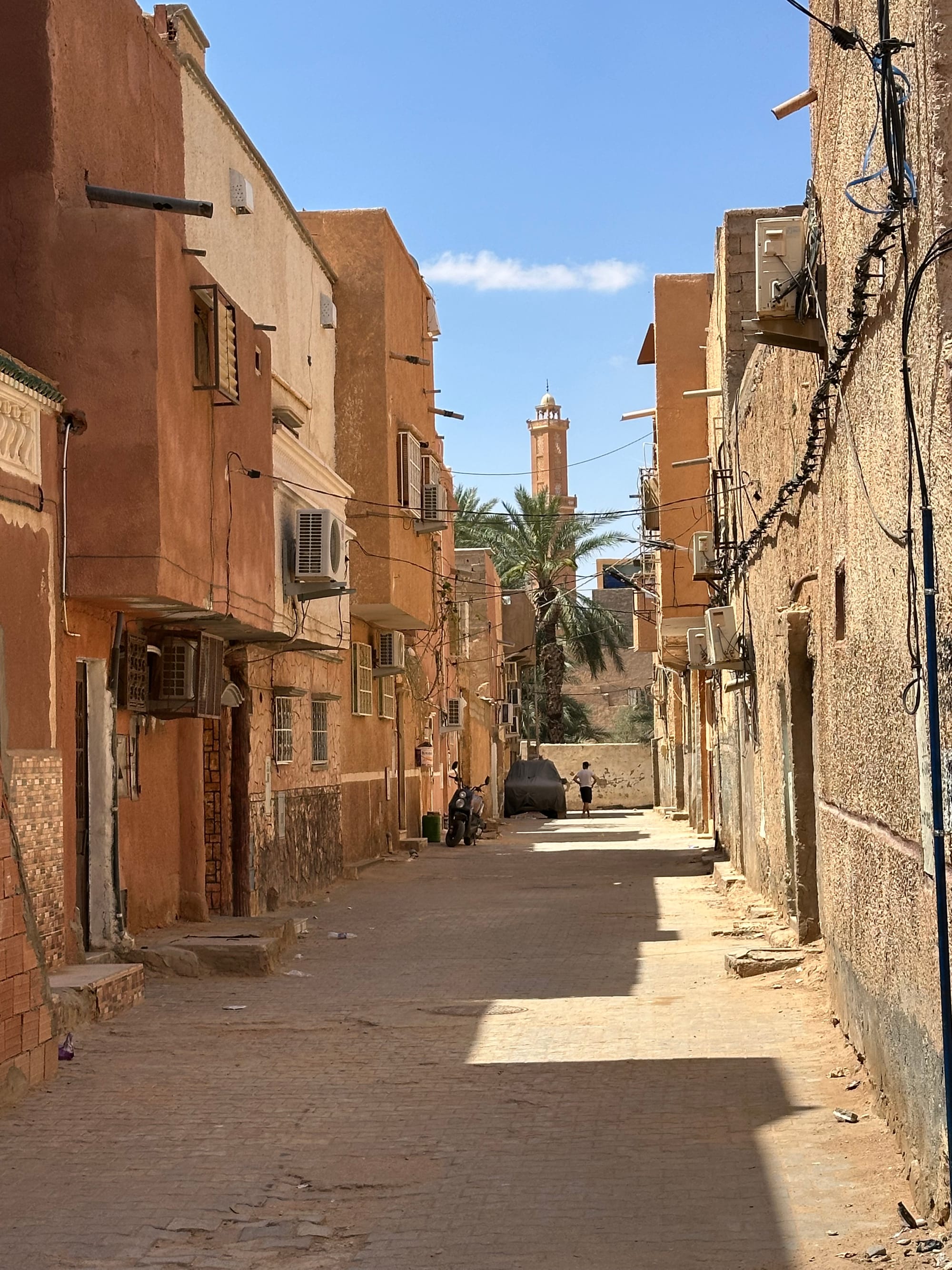
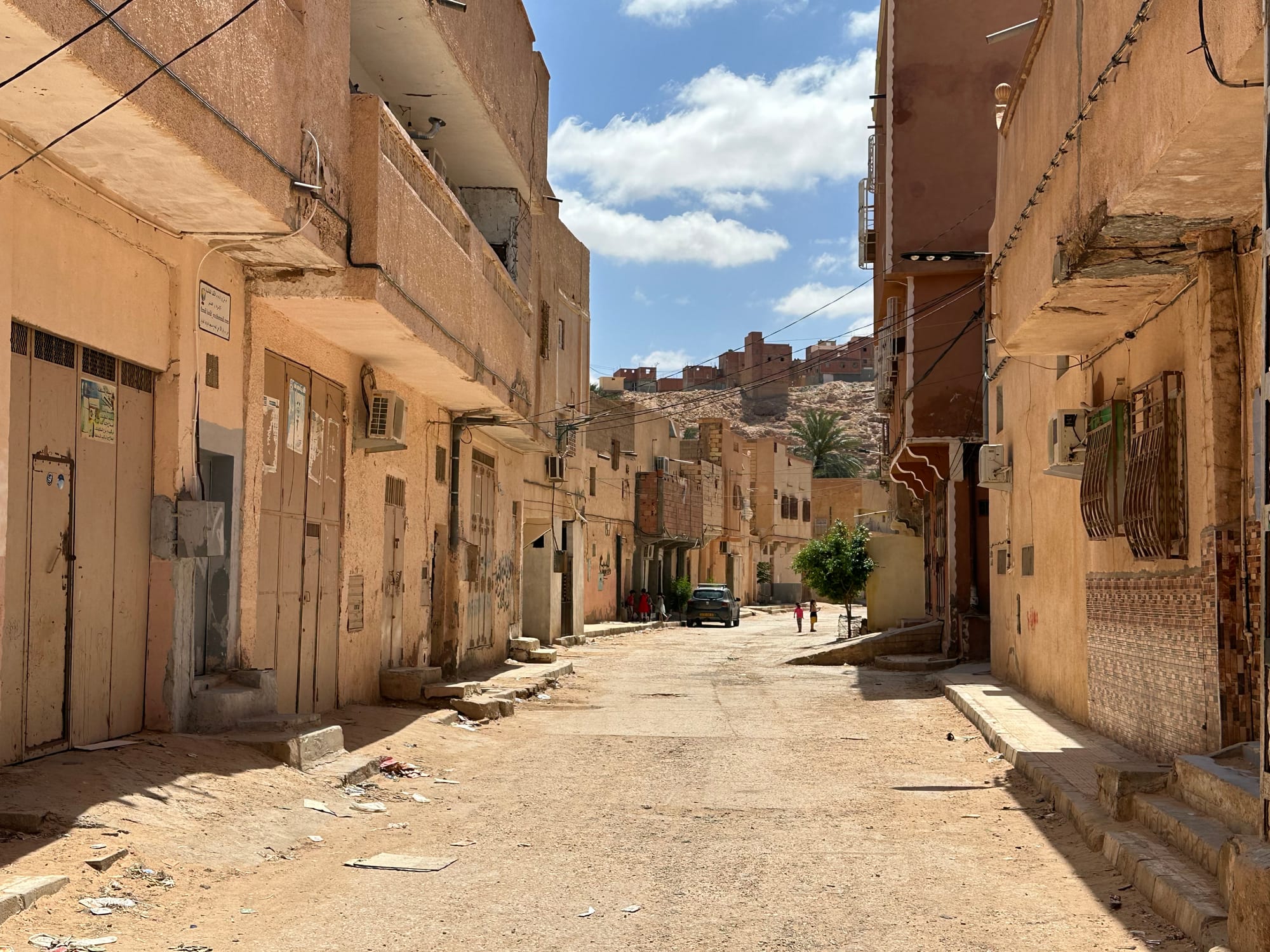
Ghardaïa, the towering pentopolis of the desert
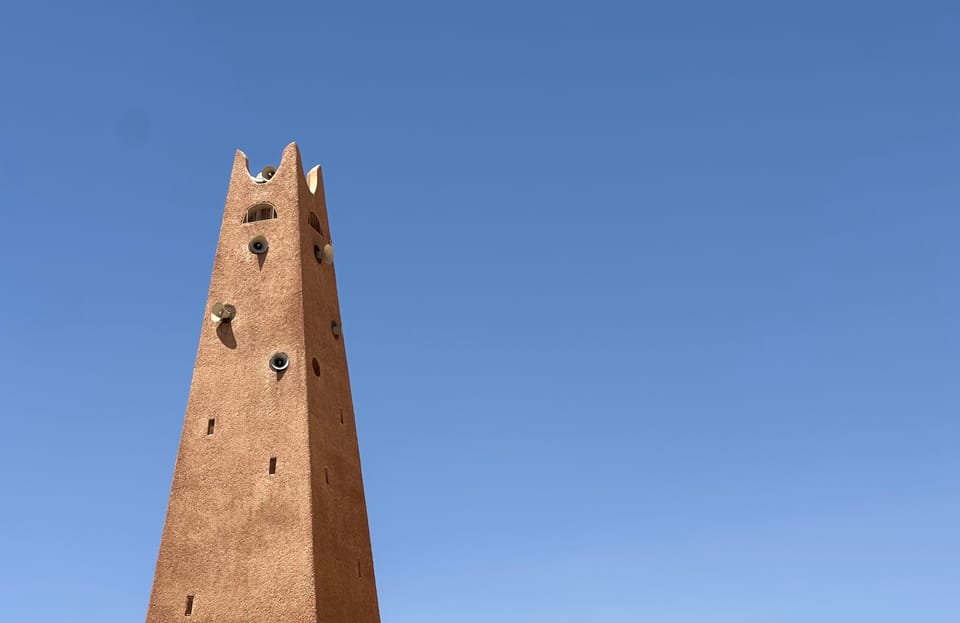
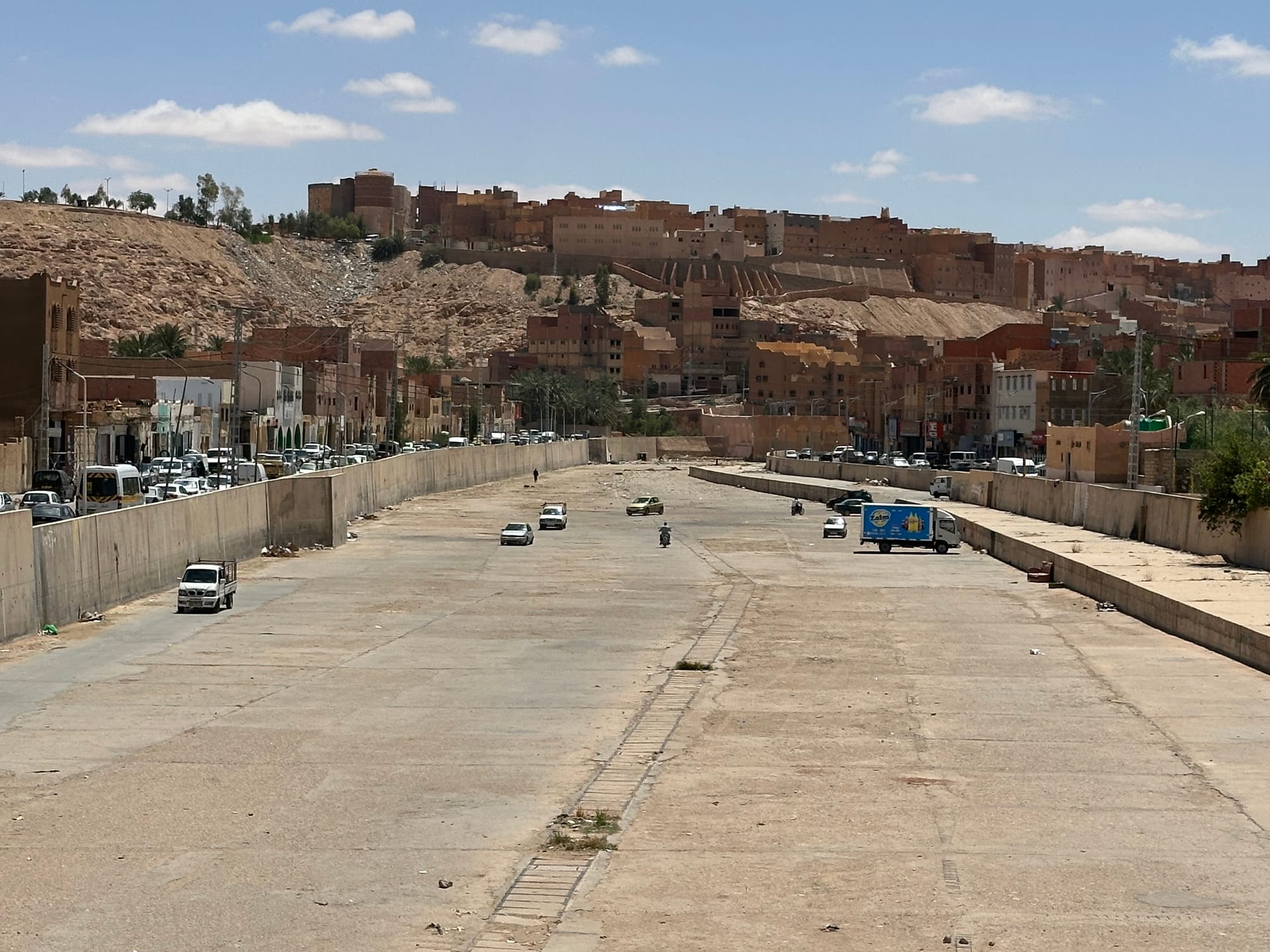
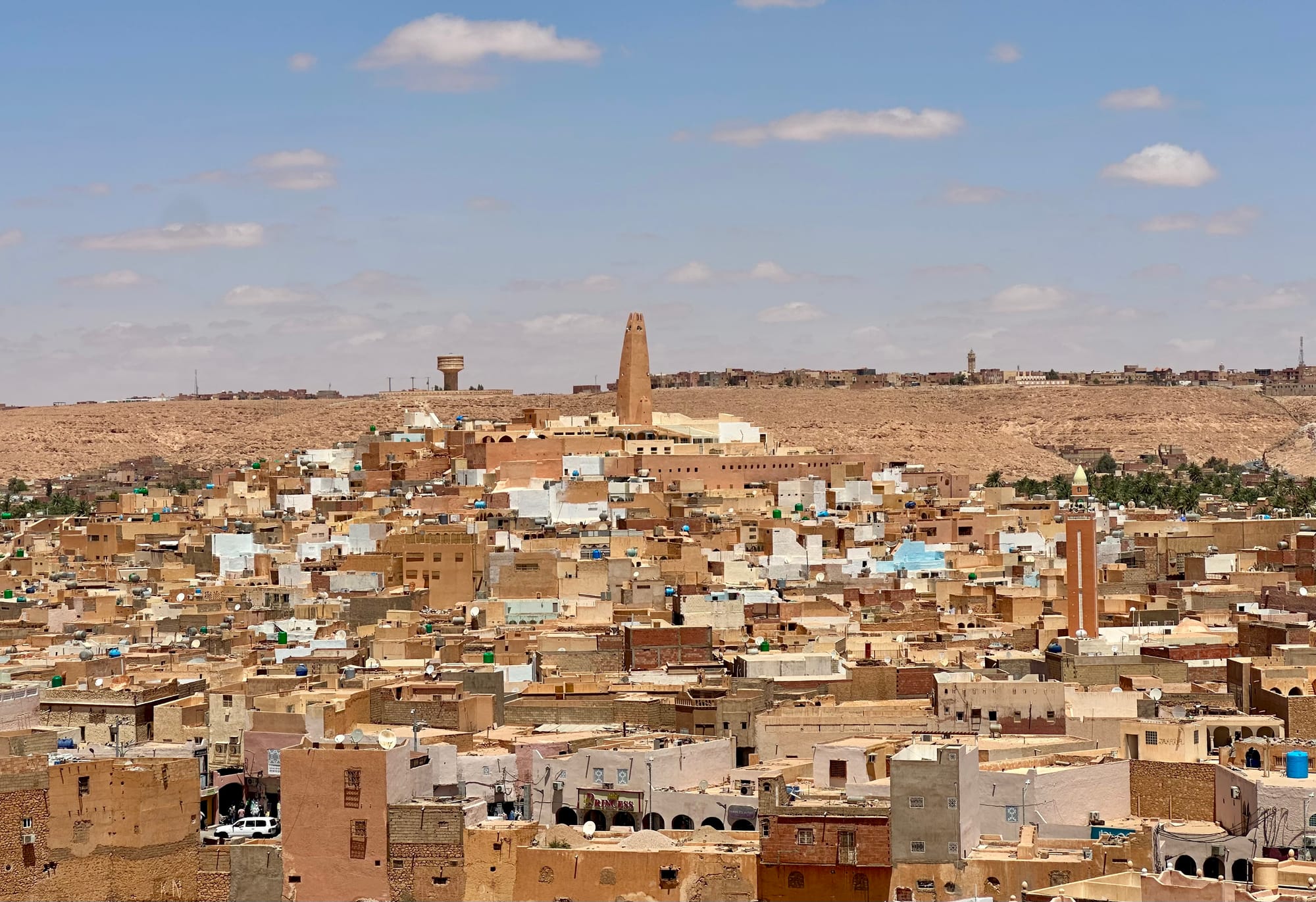
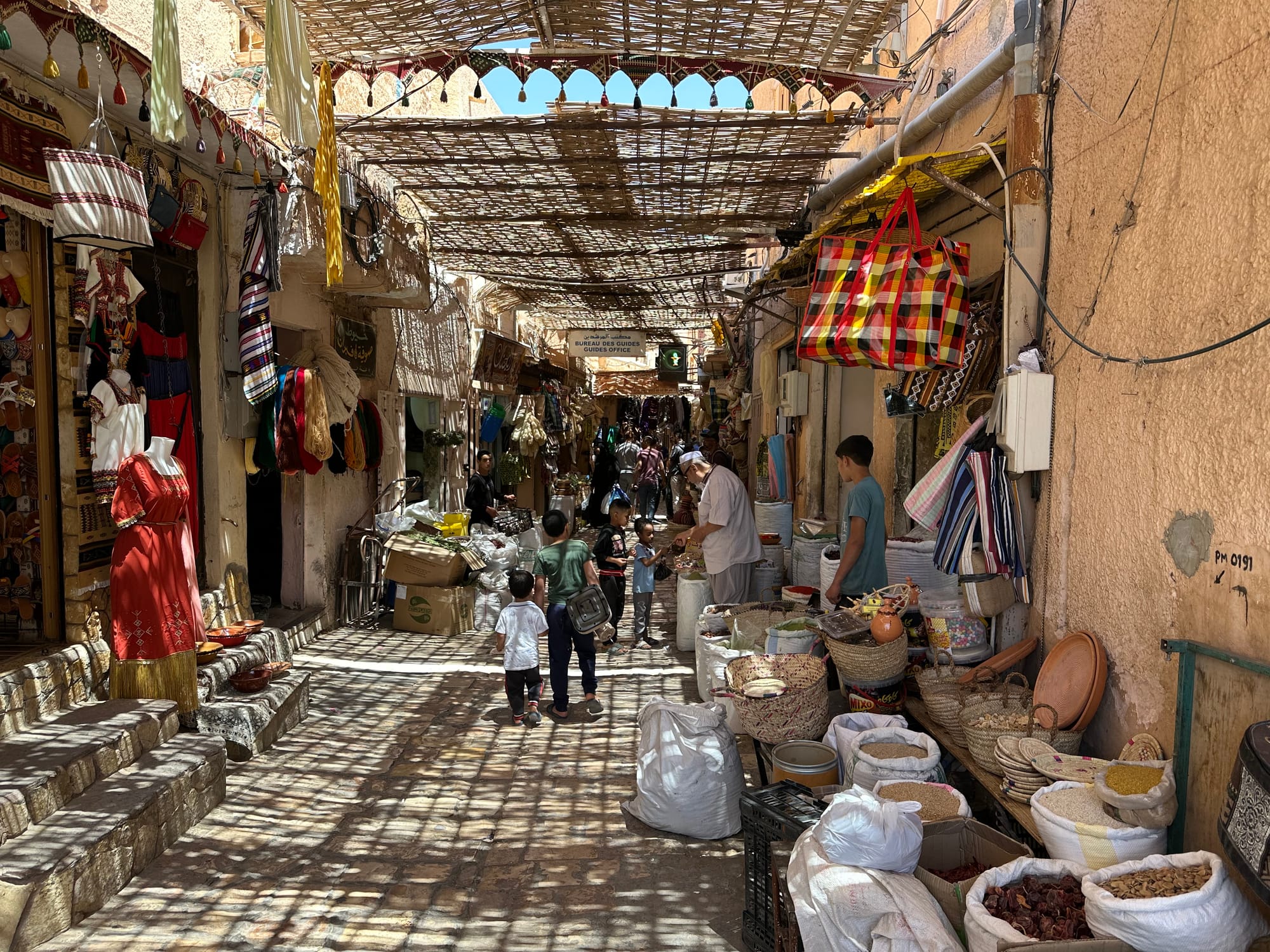
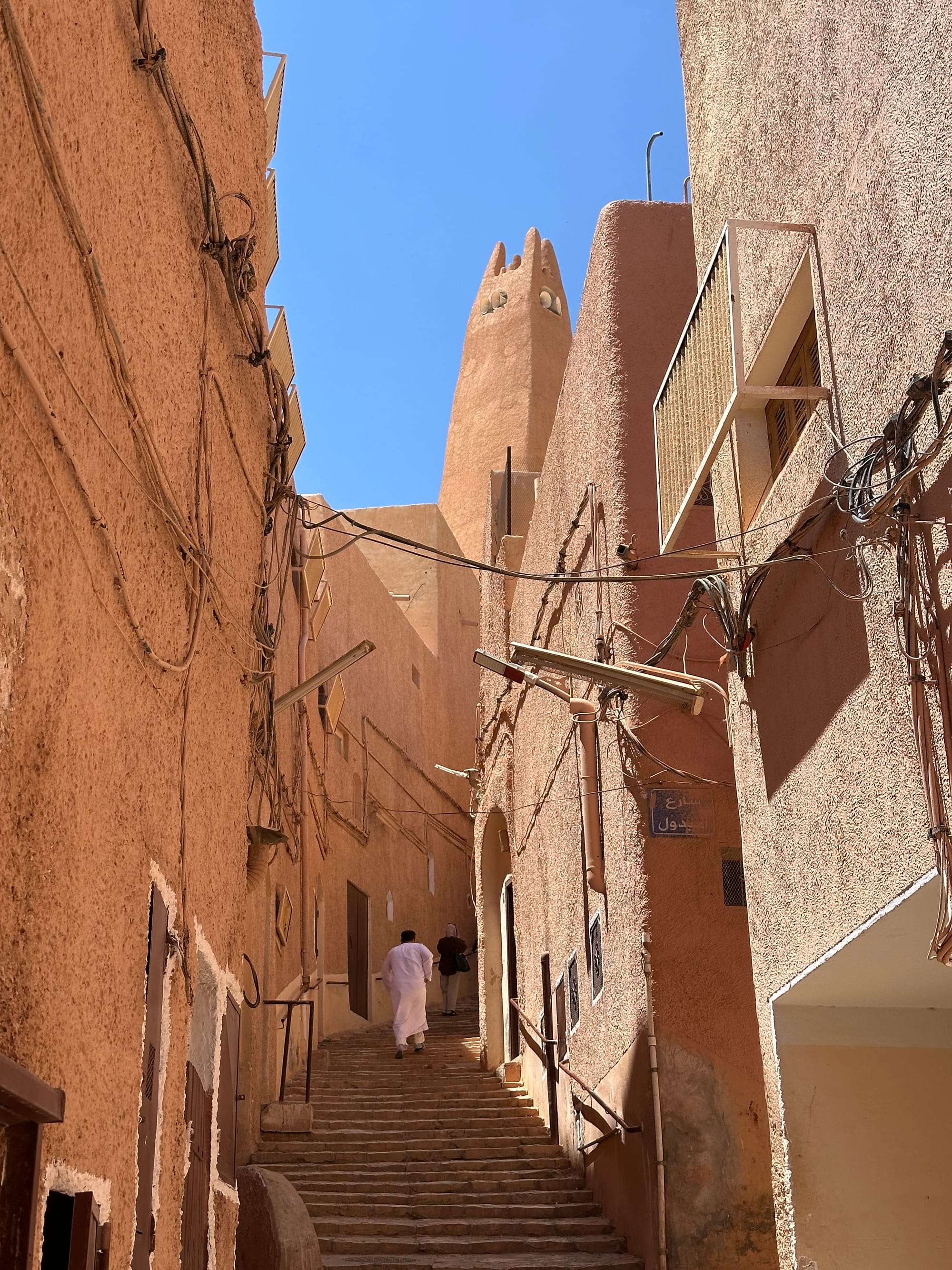
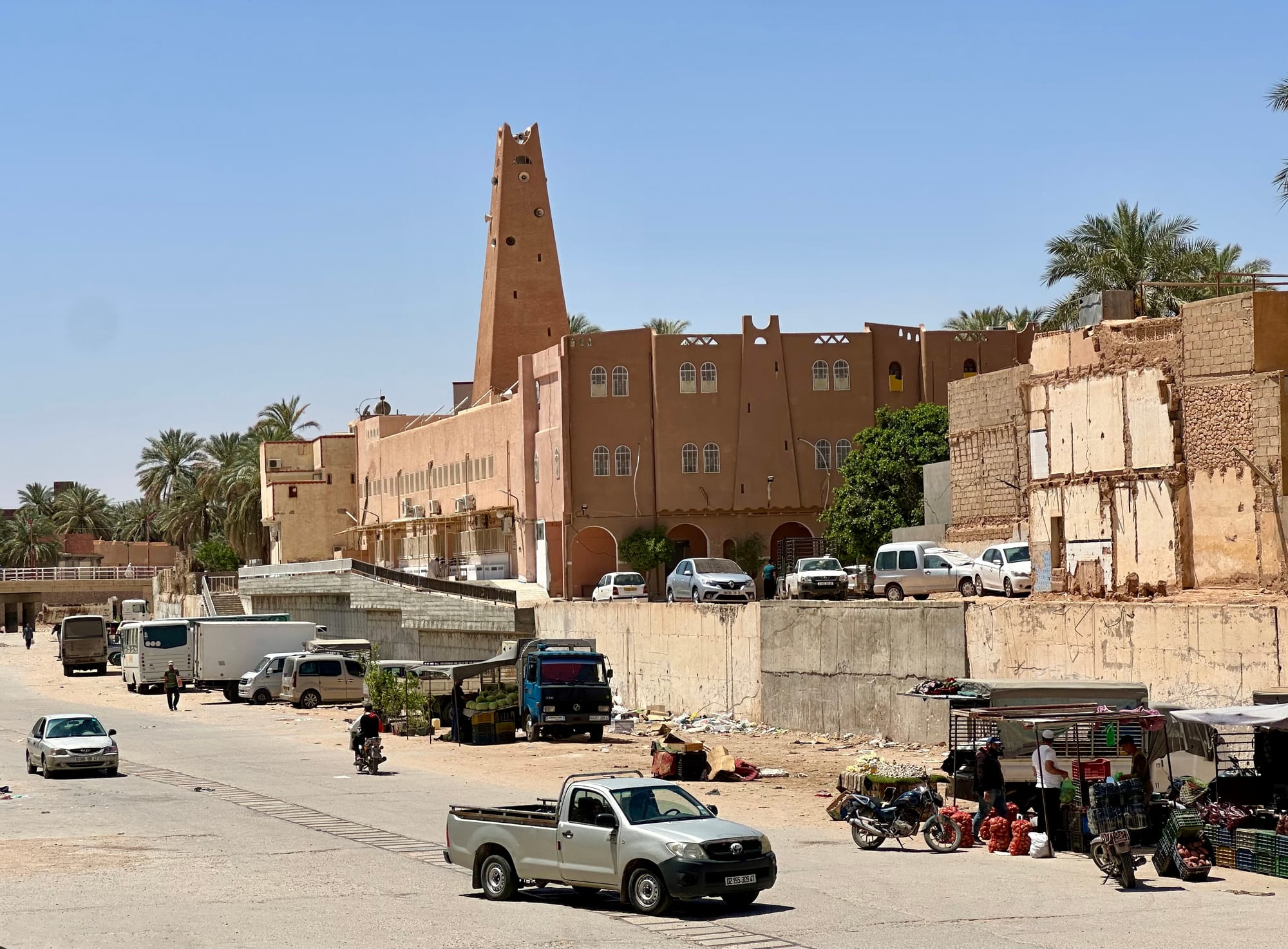
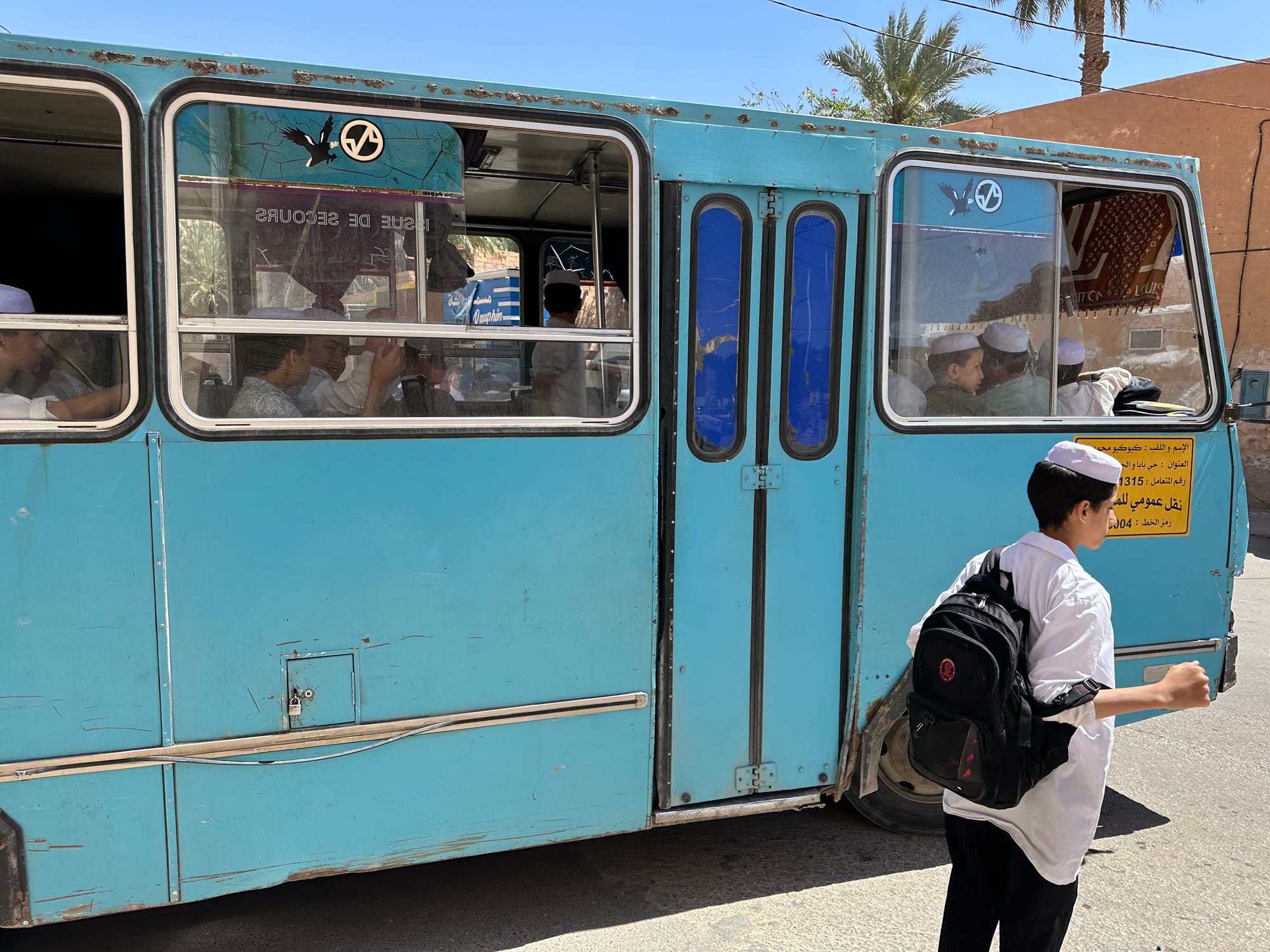
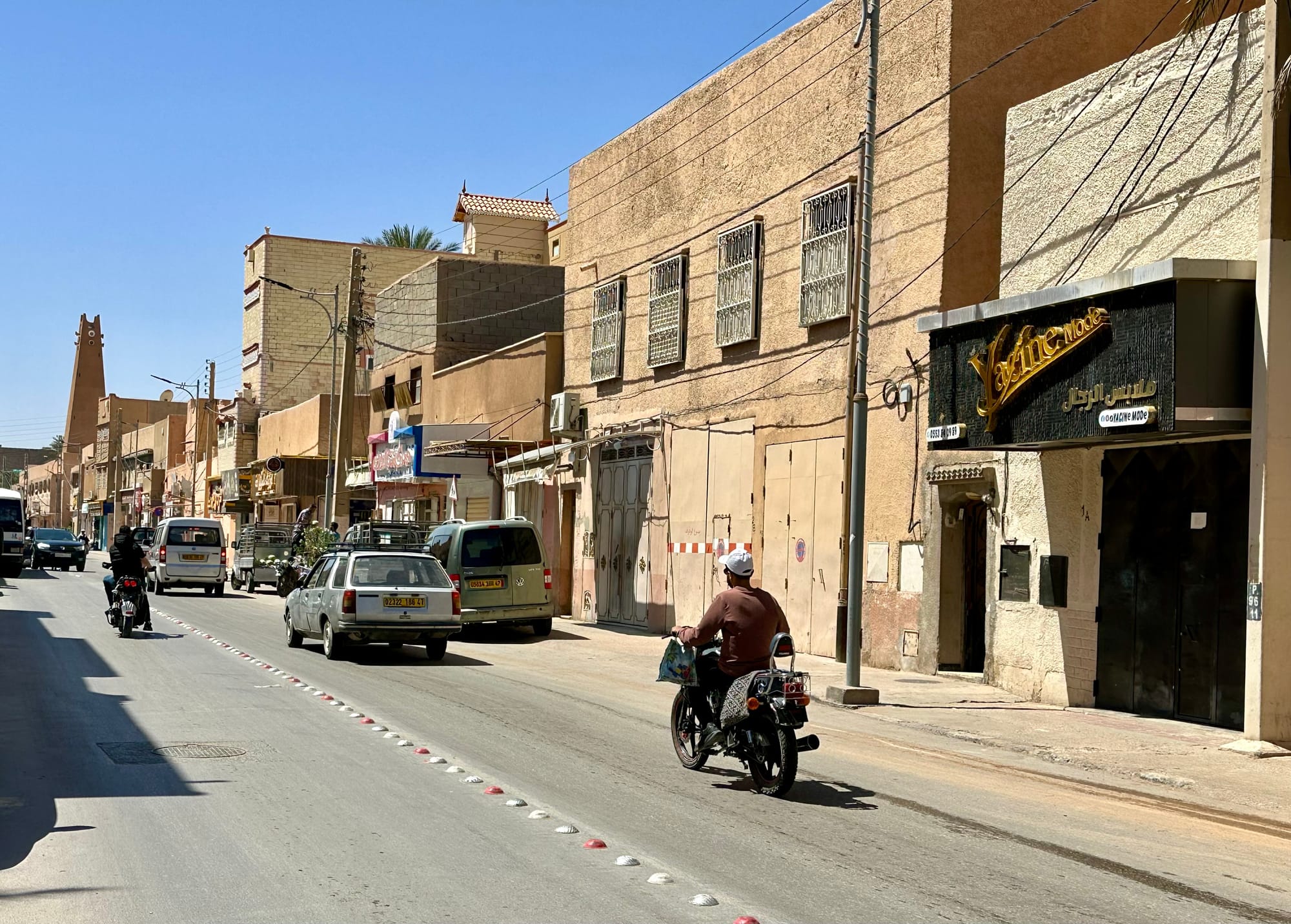
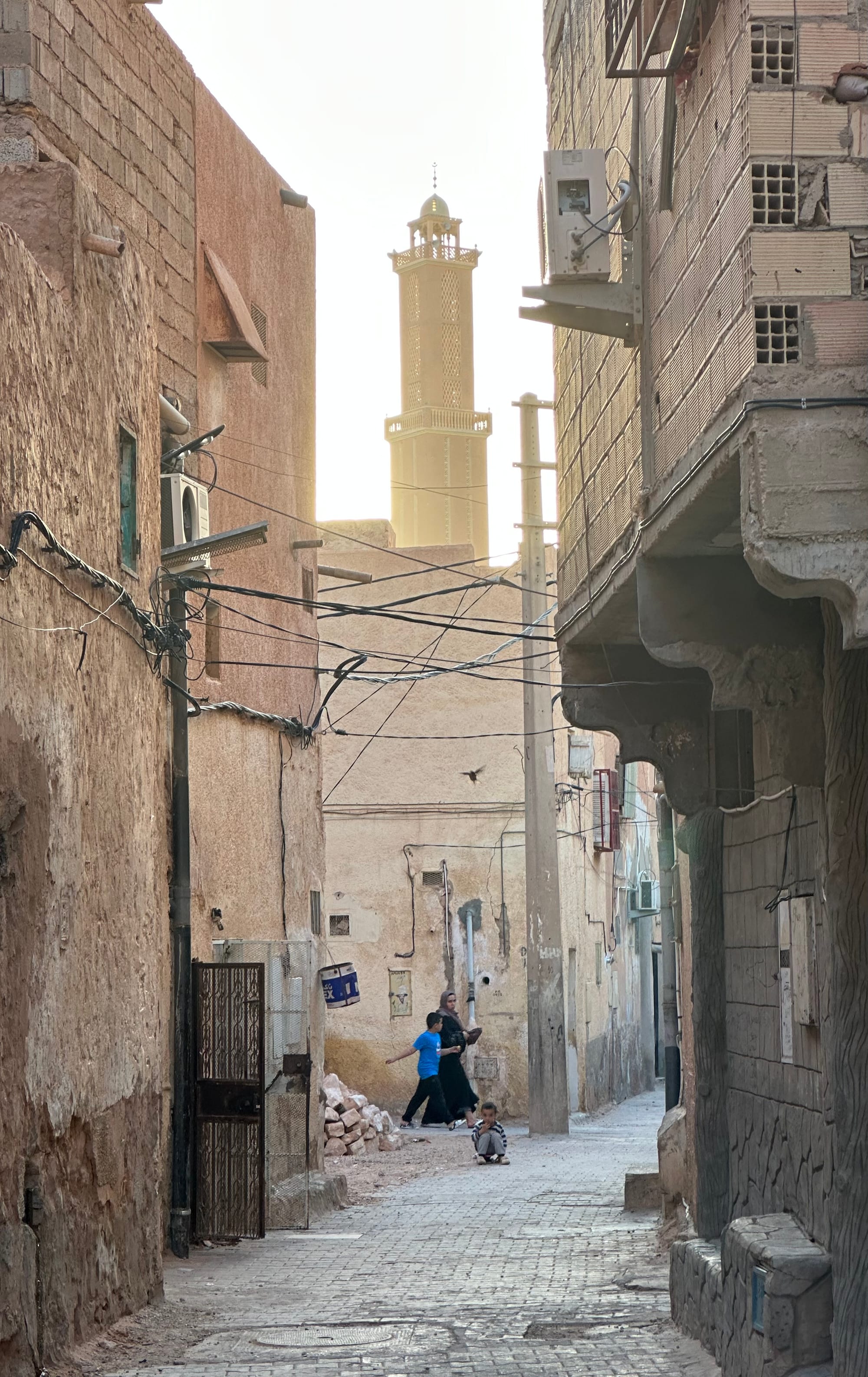
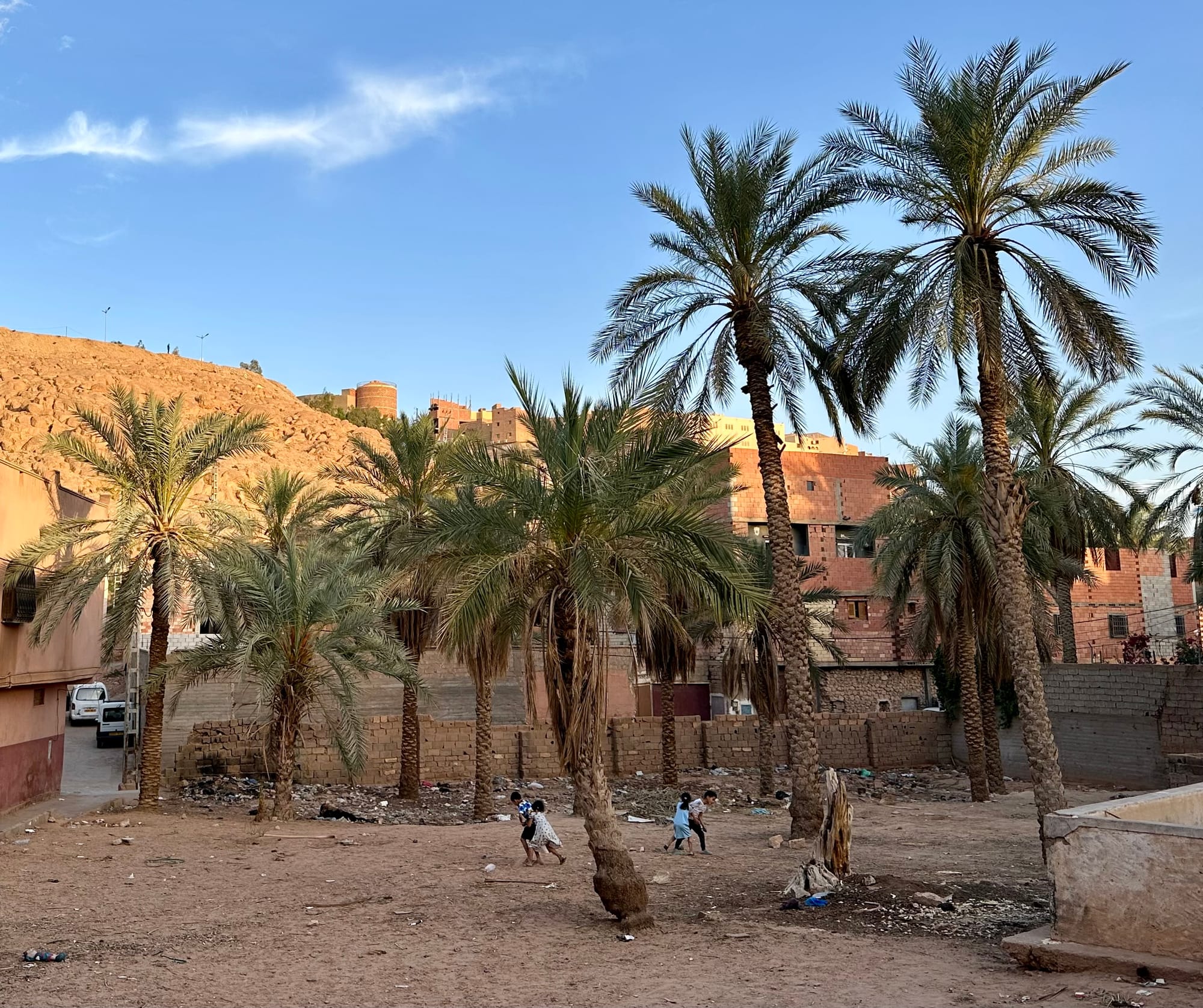
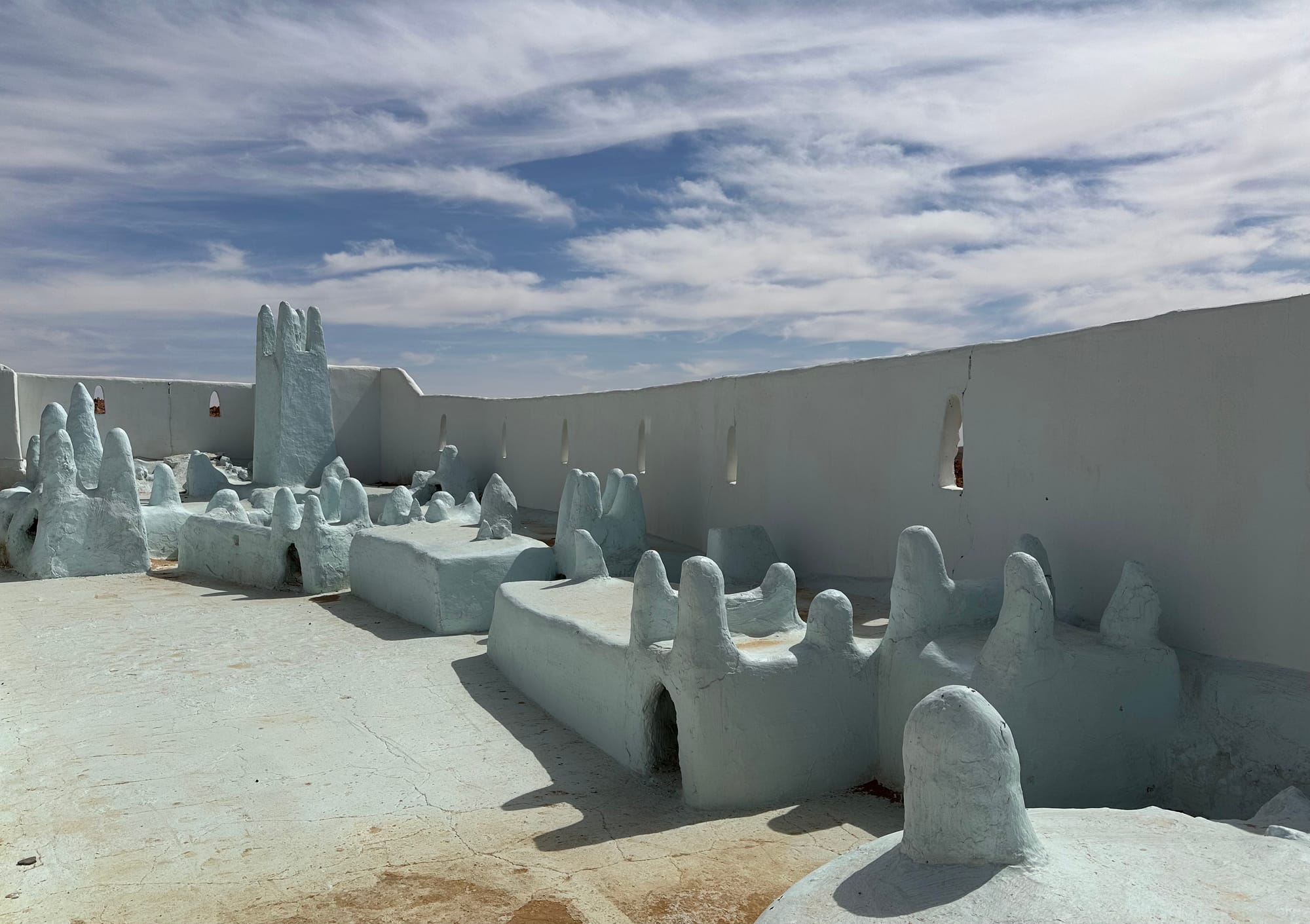
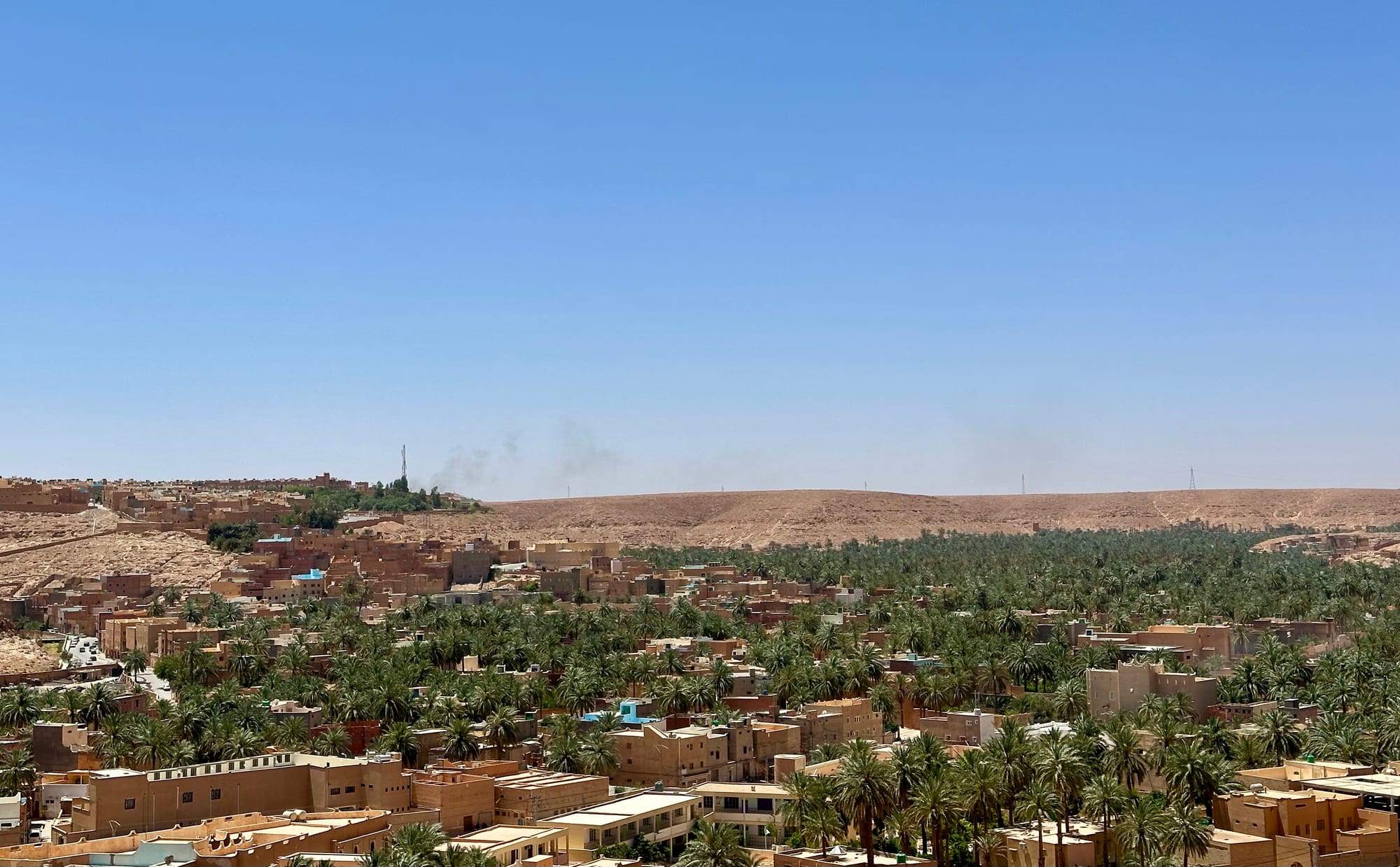
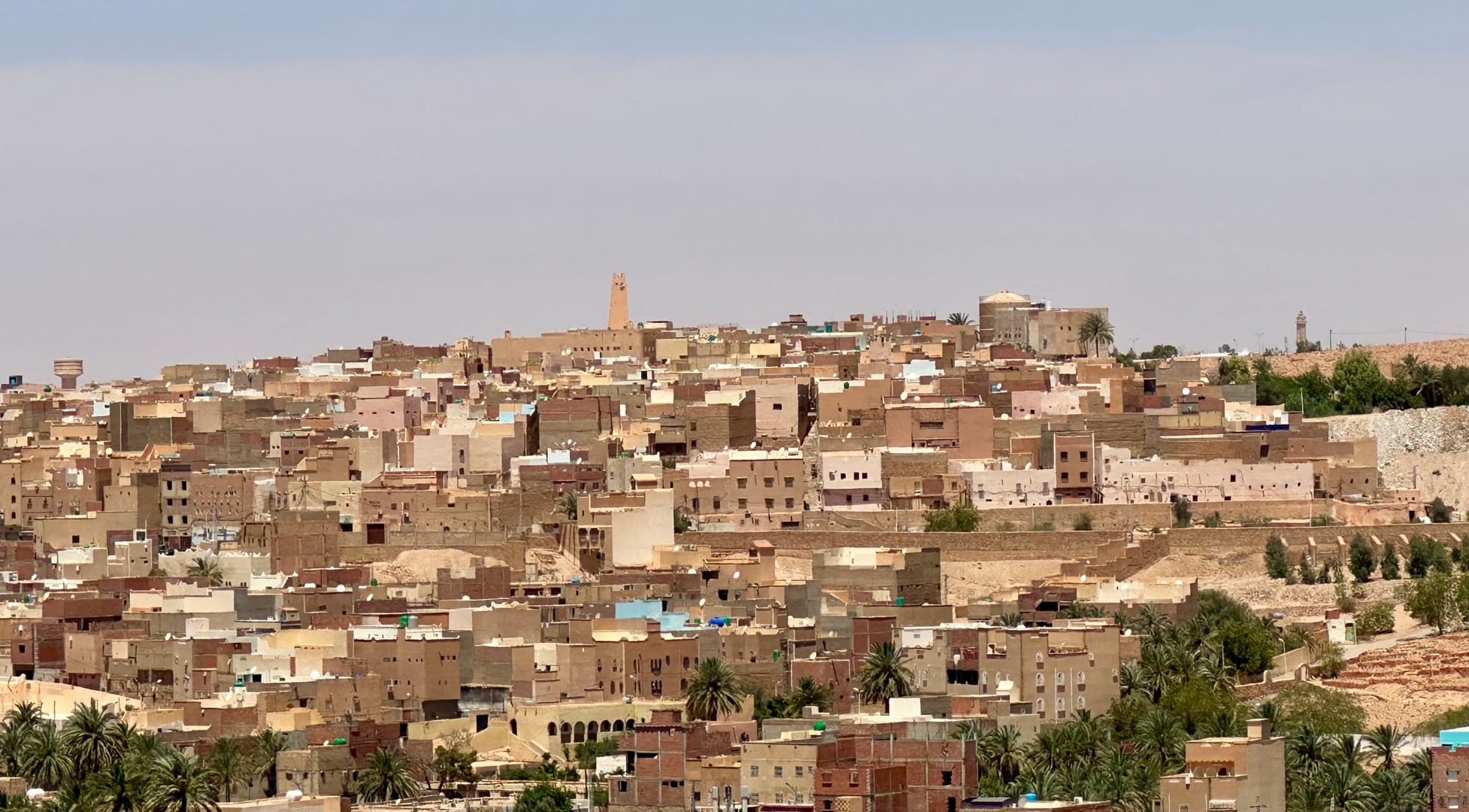
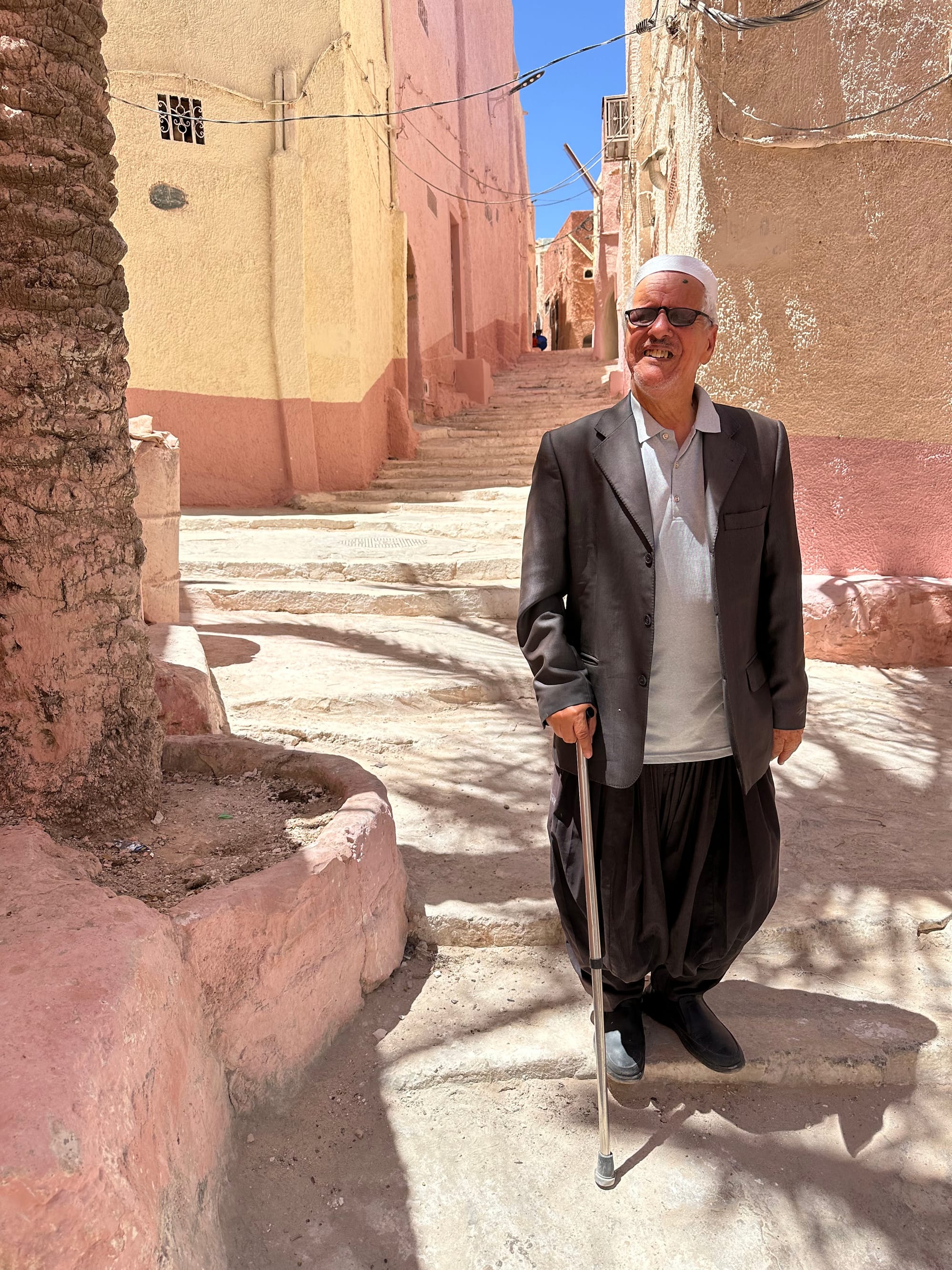
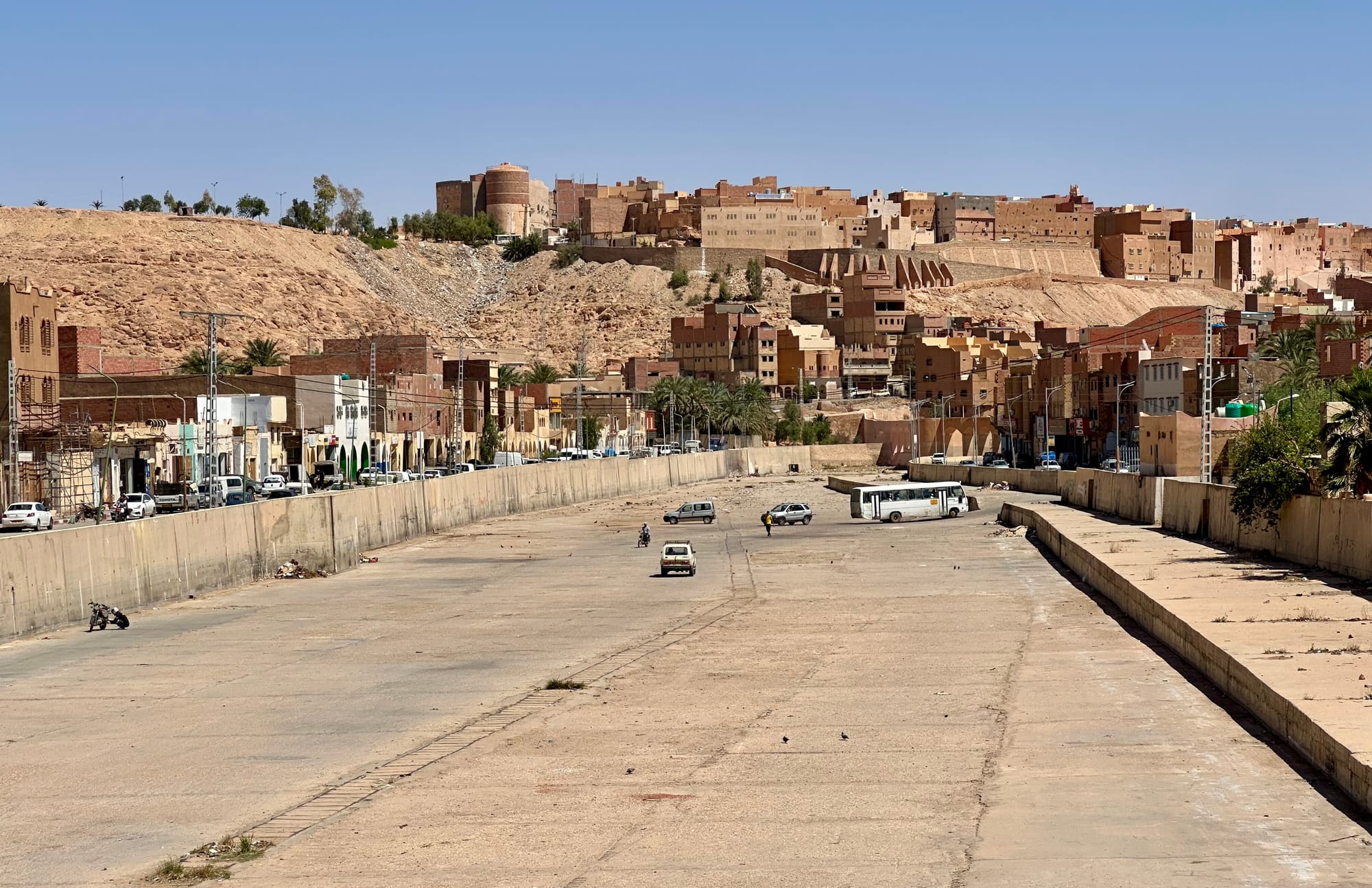
Next, I headed north toward Ghardaïa. Although the desert further south intrigues me quite a bit, the vast distances involved and other practical challenges call for a separate trip. Ghardaïa is the commonly used name for this place founded in the 11th century, although it's actually only a constituent part of 5 different villages that form this city built around the M'zab valley. The other 4 are; Melika, Beni Isguen, Bou Noura and El Atteuf. Its inhabitants are their own community not only ethnically, but also religiously. The Mozabite people primarily living here are a Berber ethnic group, with their own Berber language and practicing the Ibadi form of Islam, separate from the Sunni and Shi'a branches. As I've heard elsewhere, they're known as traders and tend not to intermarry much with other ethnic groups, much like other groups in the area that kept their distinctive character throughout the centuries.
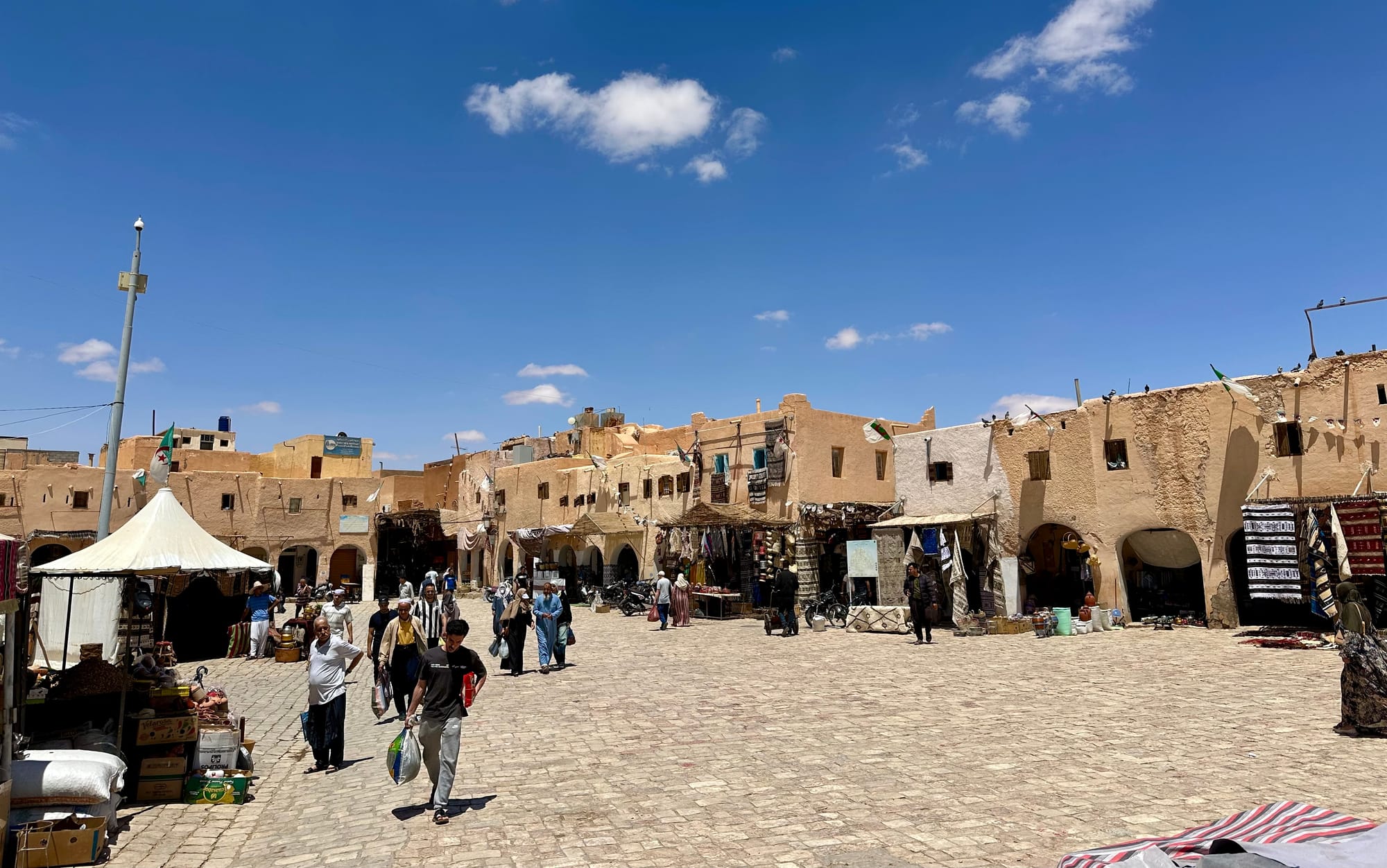
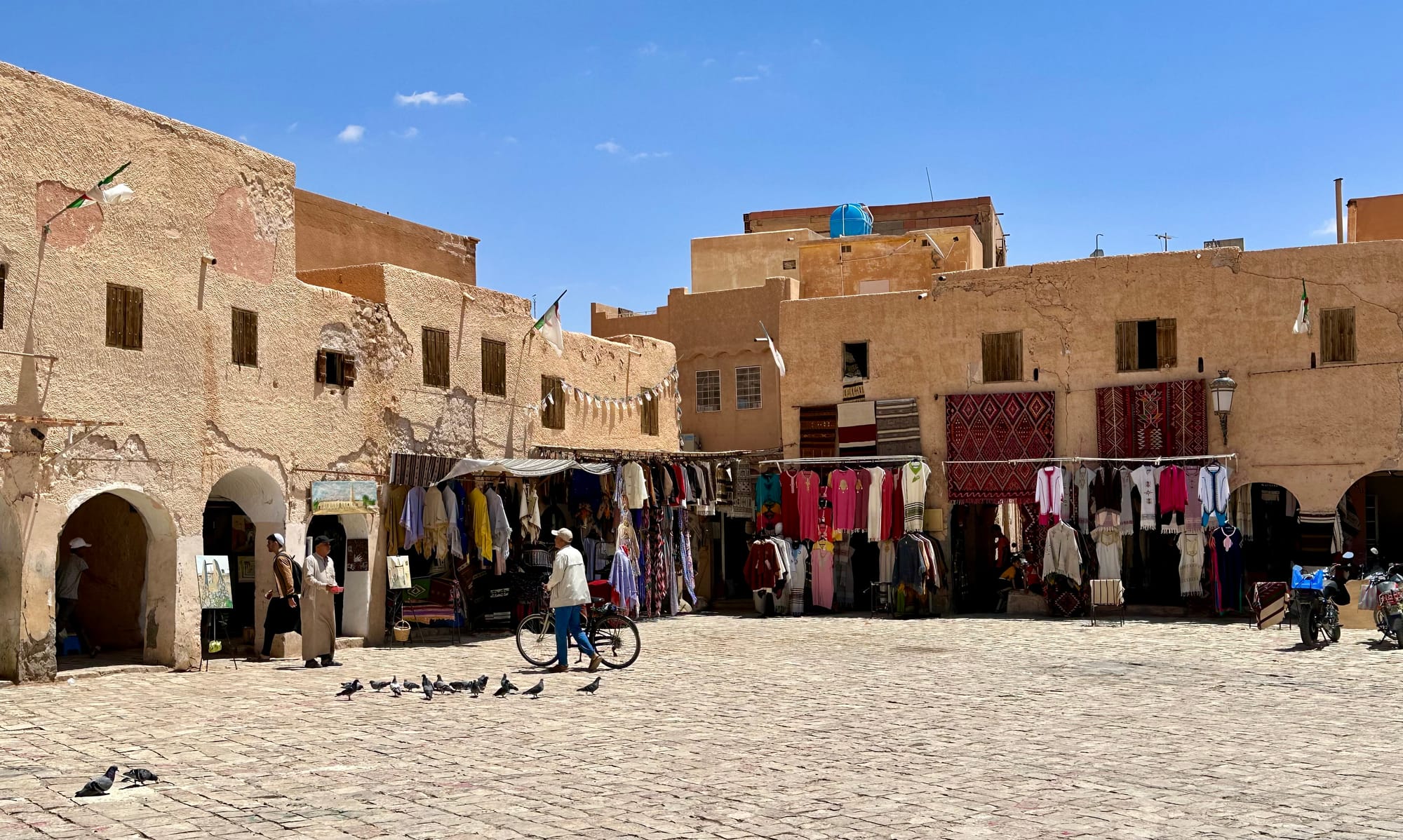
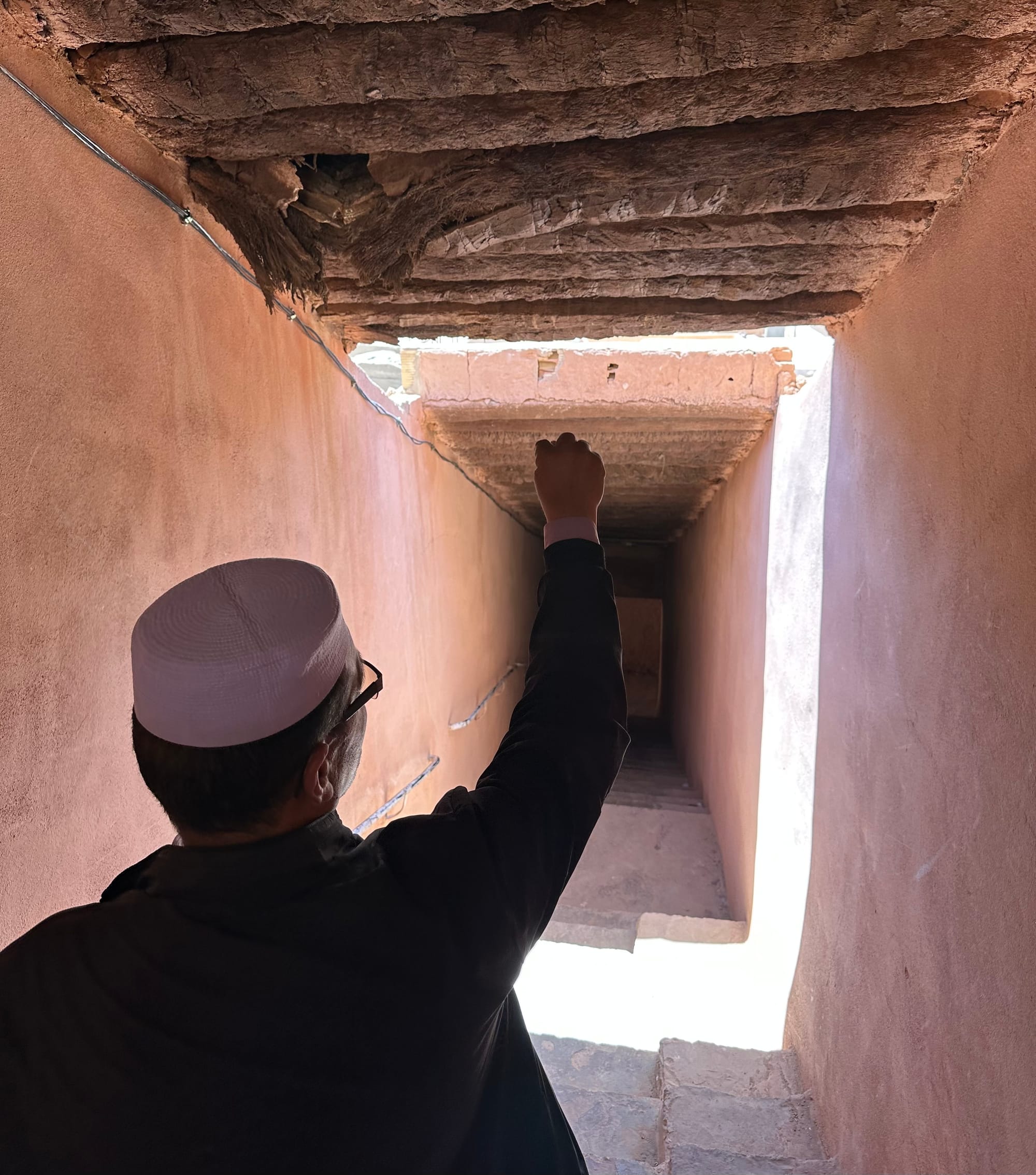
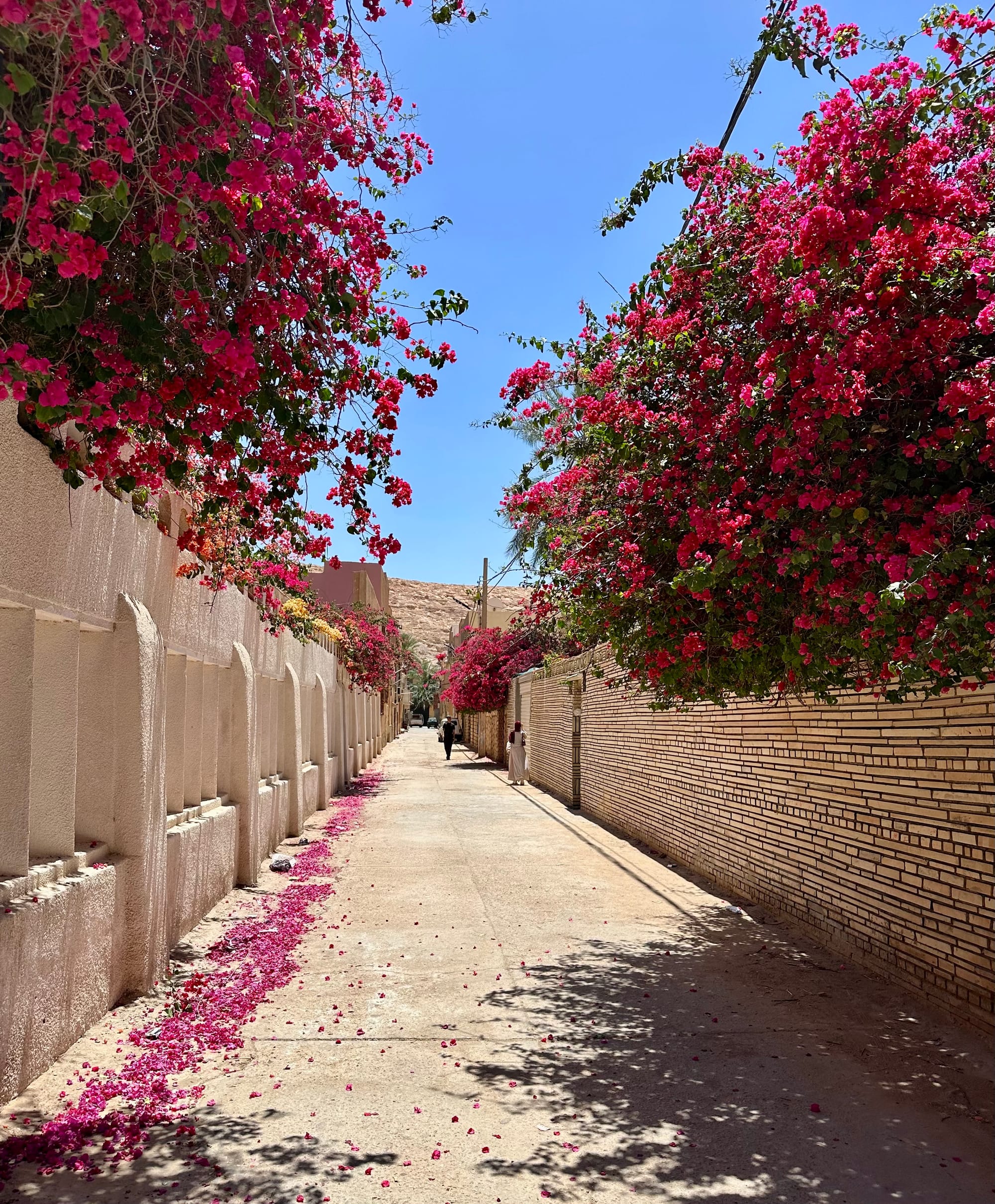
The religious norms are even a bit more conservative than usual. Outside the house, women dress in completely white sheets that cover their head, then hold the two sides of the sheet together near their nose, so that only a small triangle in the centre or over one eye is open. While you do see women showing their whole face once in a while, these are usually teenage girls or possibly from a different ethnic group. As you can imagine, they're not terribly keen on taking photographs and when I did ask to take a photo up close, I was politely, but firmly denied permission. Out of respect, photos of people will be only from quite far away and/or in the back, or with their explicit permission.