From the Baroque of Batna to Timgad, the quintessential Roman city
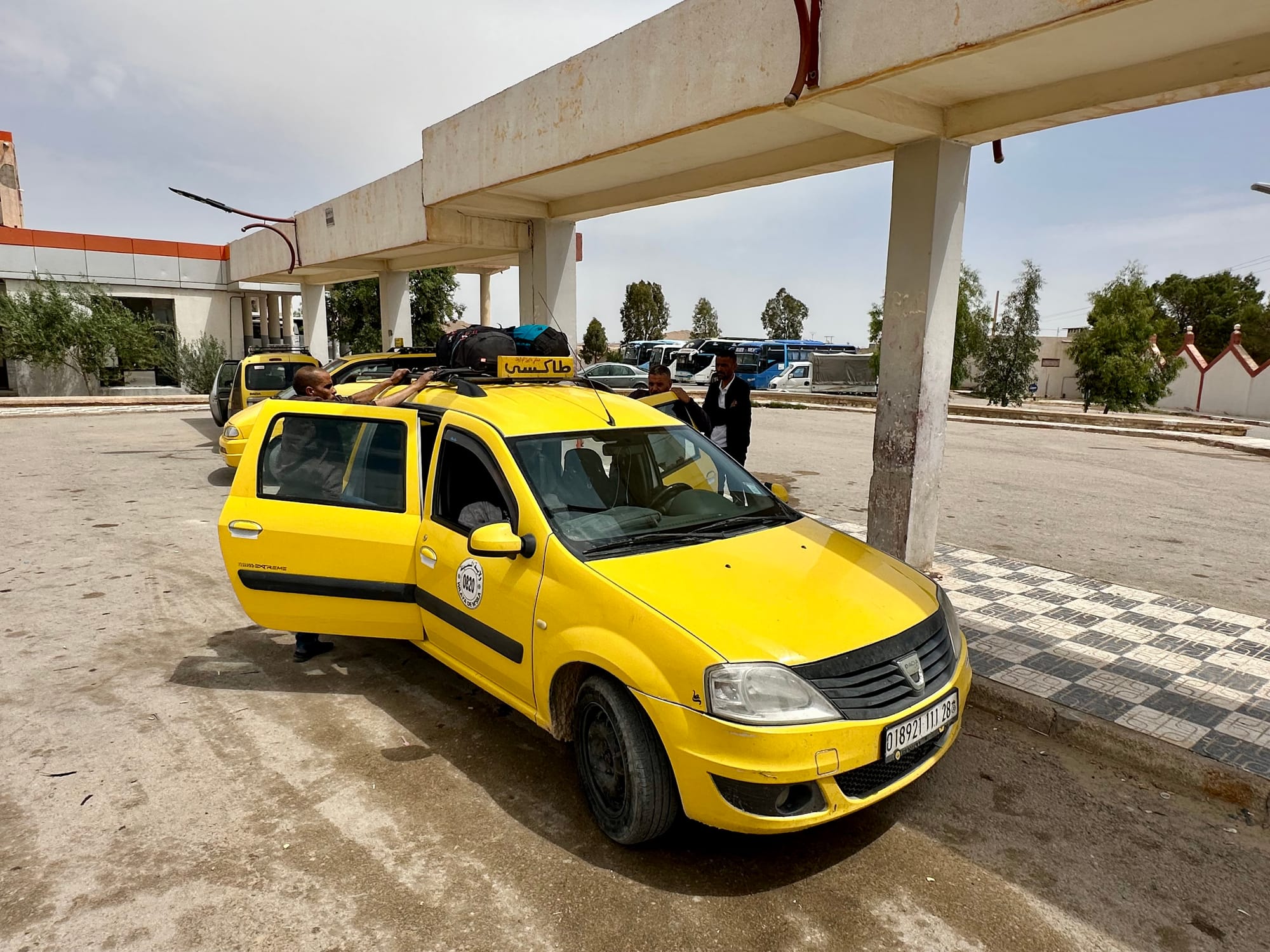
By now, the manner of transport between cities in Algeria was already quite familiar. Buses exist mainly in theory and the shared taxis are the default option in most cases. Which is not a bad thing. They’re very affordable, costing only a few euros for a hundred kilometres or more. what they lack in legroom, they make up for in efficiency. I rarely waited more than a few minutes for the remaining places to get filled up with passengers and for us to be on our merry way.
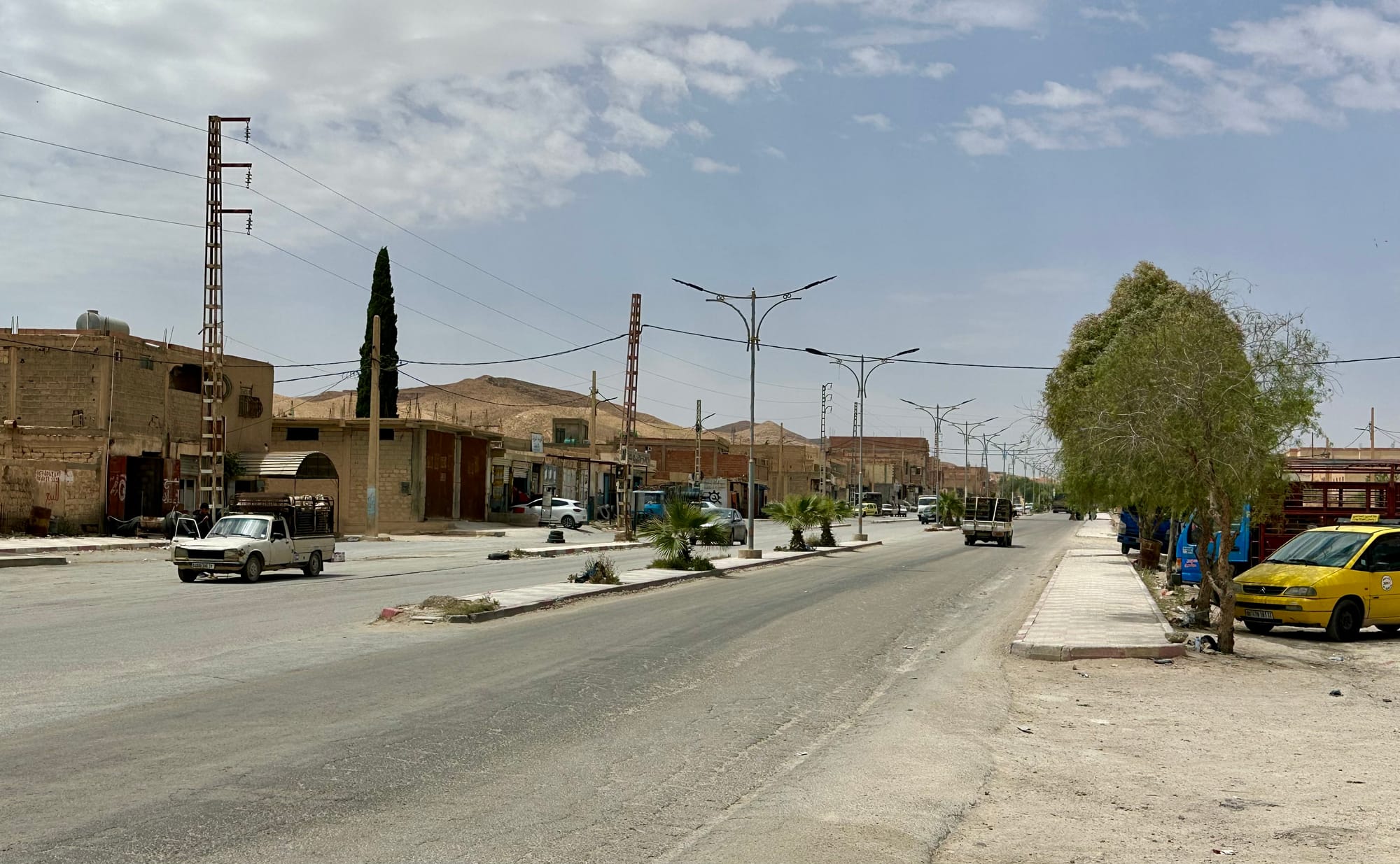
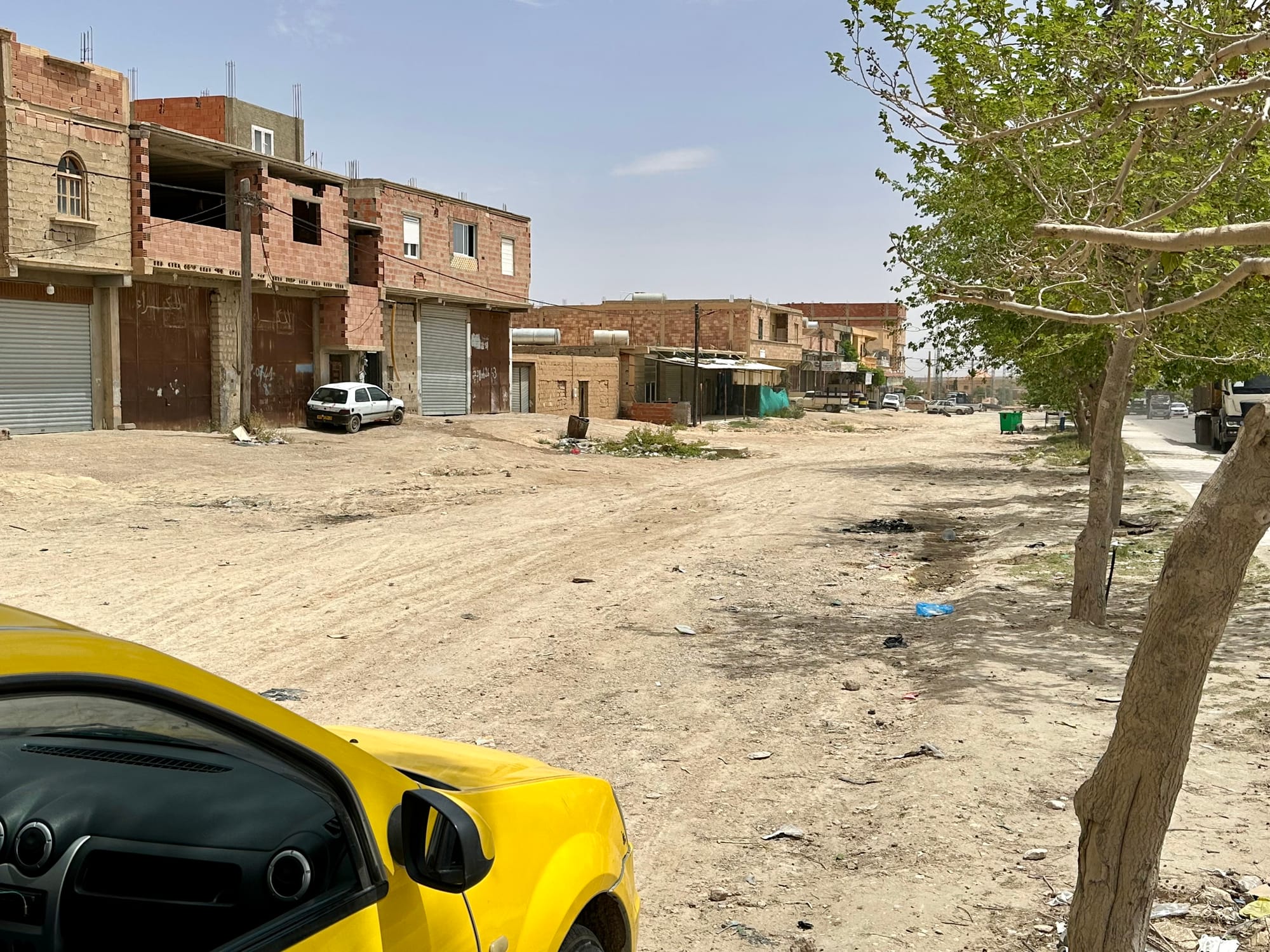
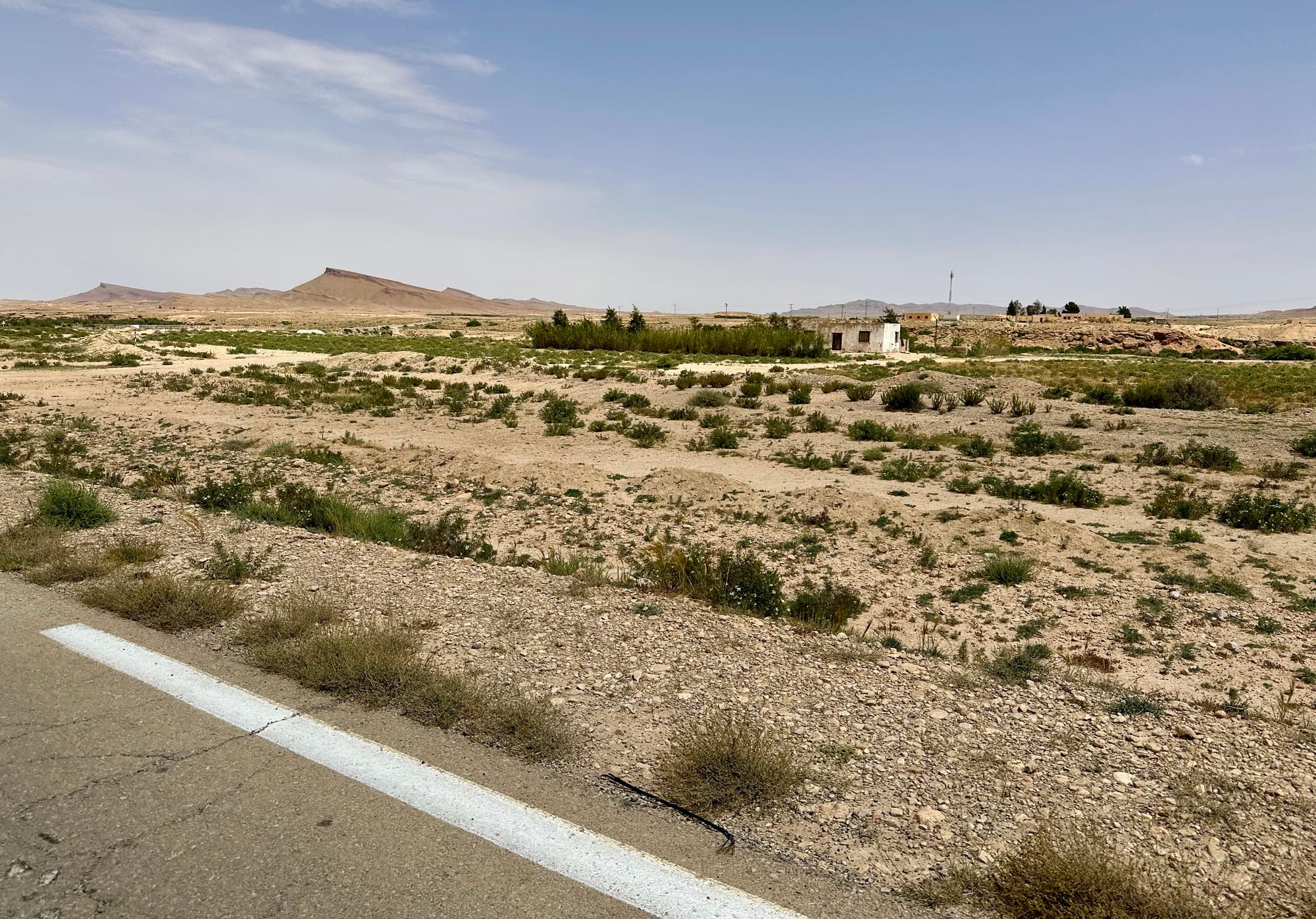
As I’m usually showing more picturesque scenes and sites to visit, I’ll start off with some photos from a random town where our shared taxi crew stopped for lunch. Just so you get a feel of how an average small roadside town in Algeria looks like. I thus present; Ben-S’Rour in all its glory.
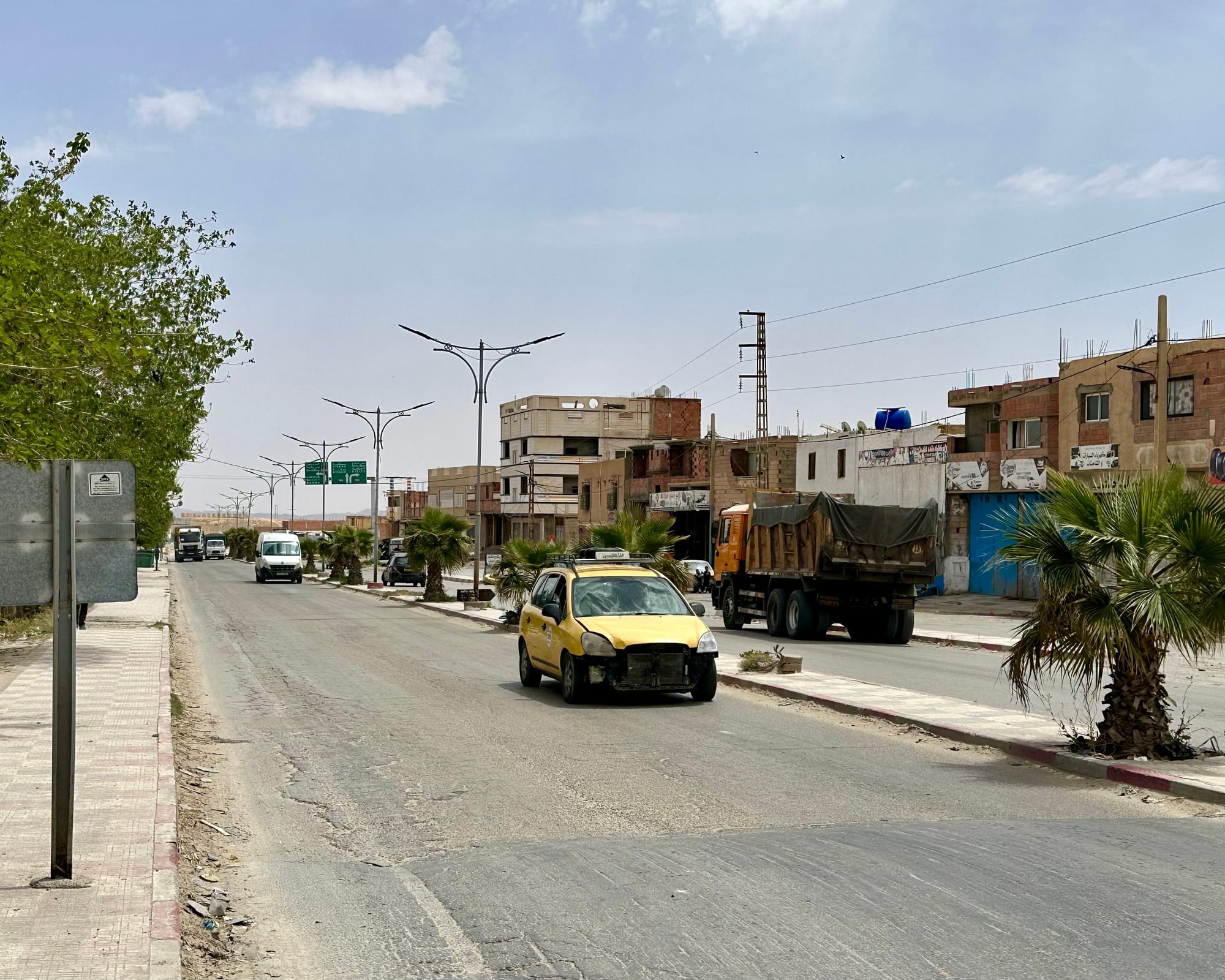
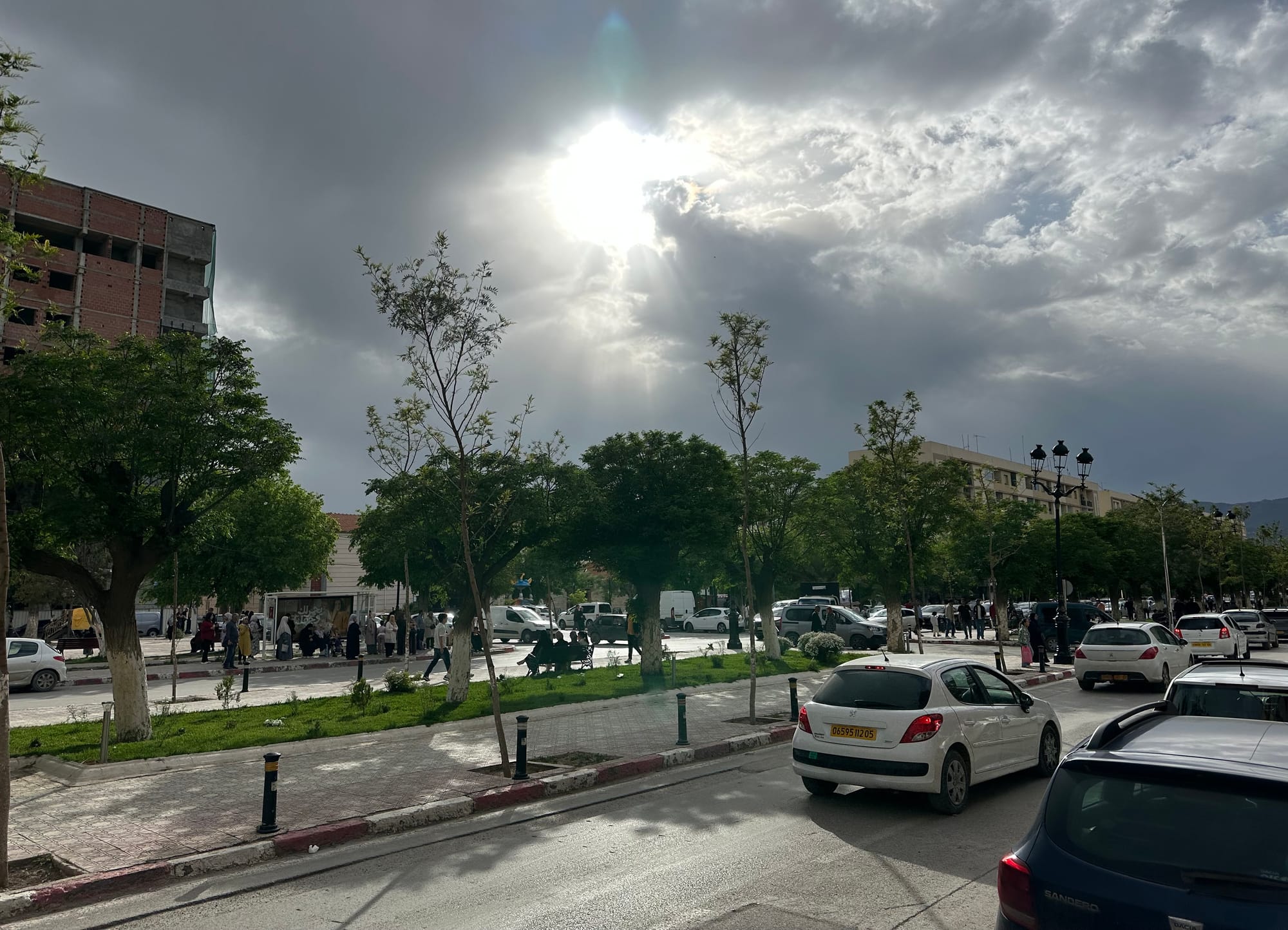
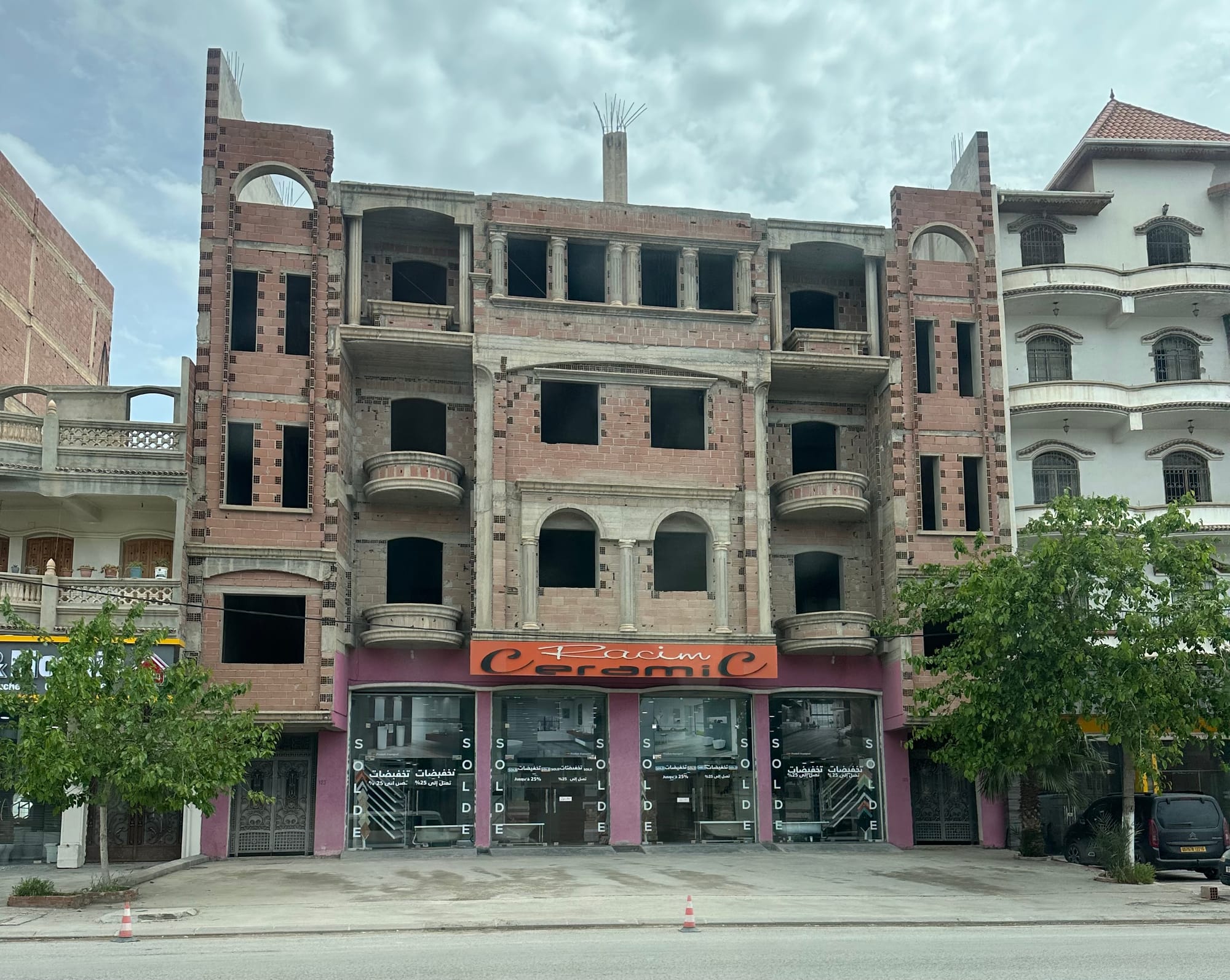
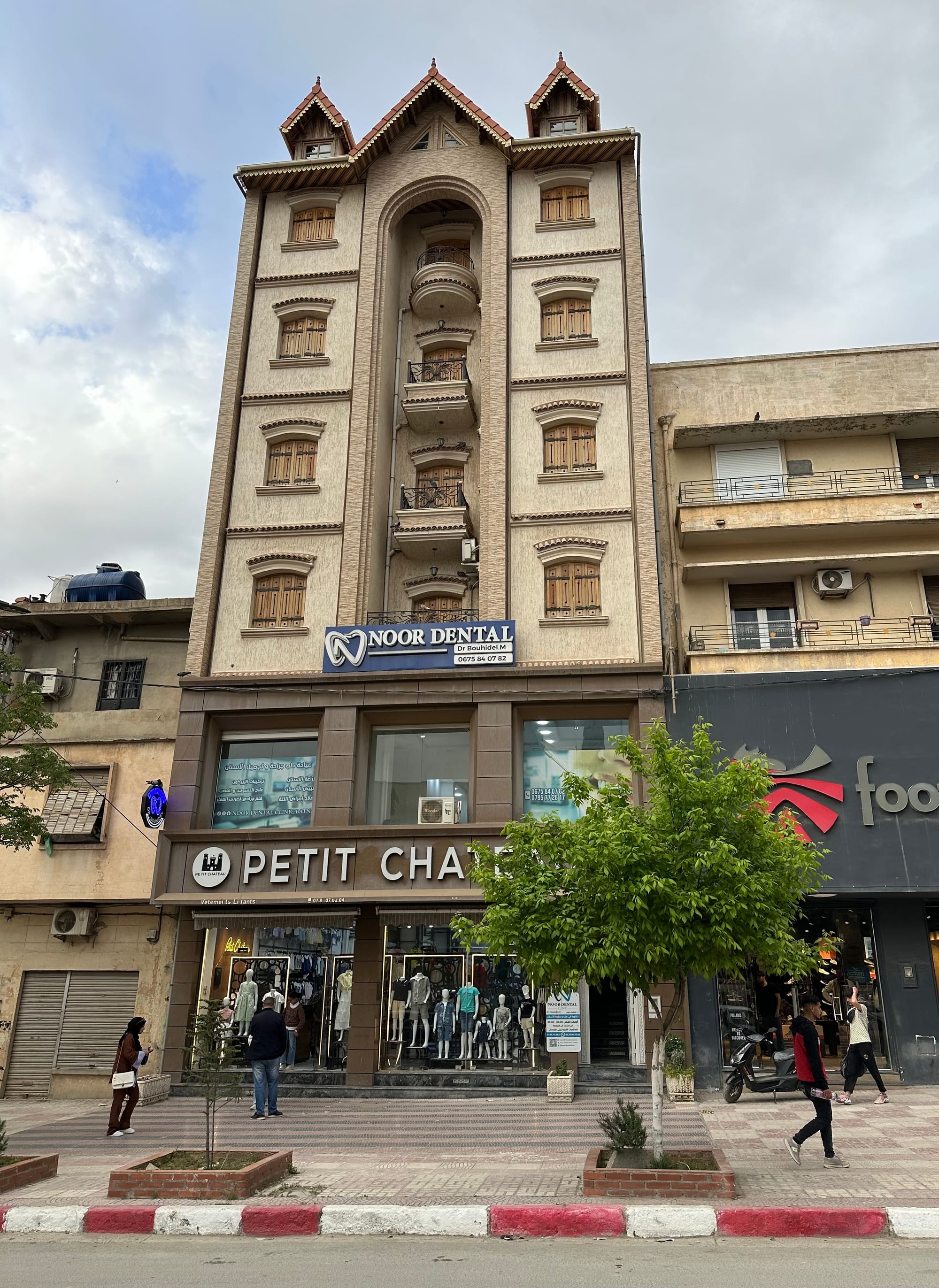
My next stop was Batna, frankly a rather unremarkable city, full of the type of architecture we call "Balkan barok", where I come from. Like most Algerian cities, its centre also seems to exist in a state of semi-permanent traffic jam during the day. Batna, however, was not my final destination, more of a layover on the way to Timgad, about 40 km further east.
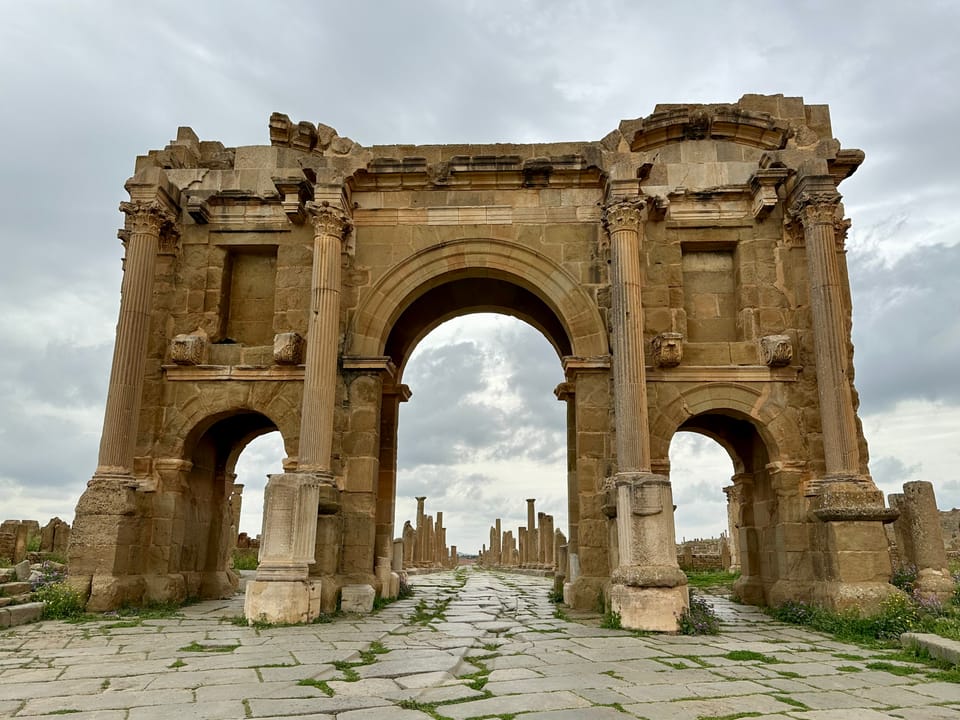
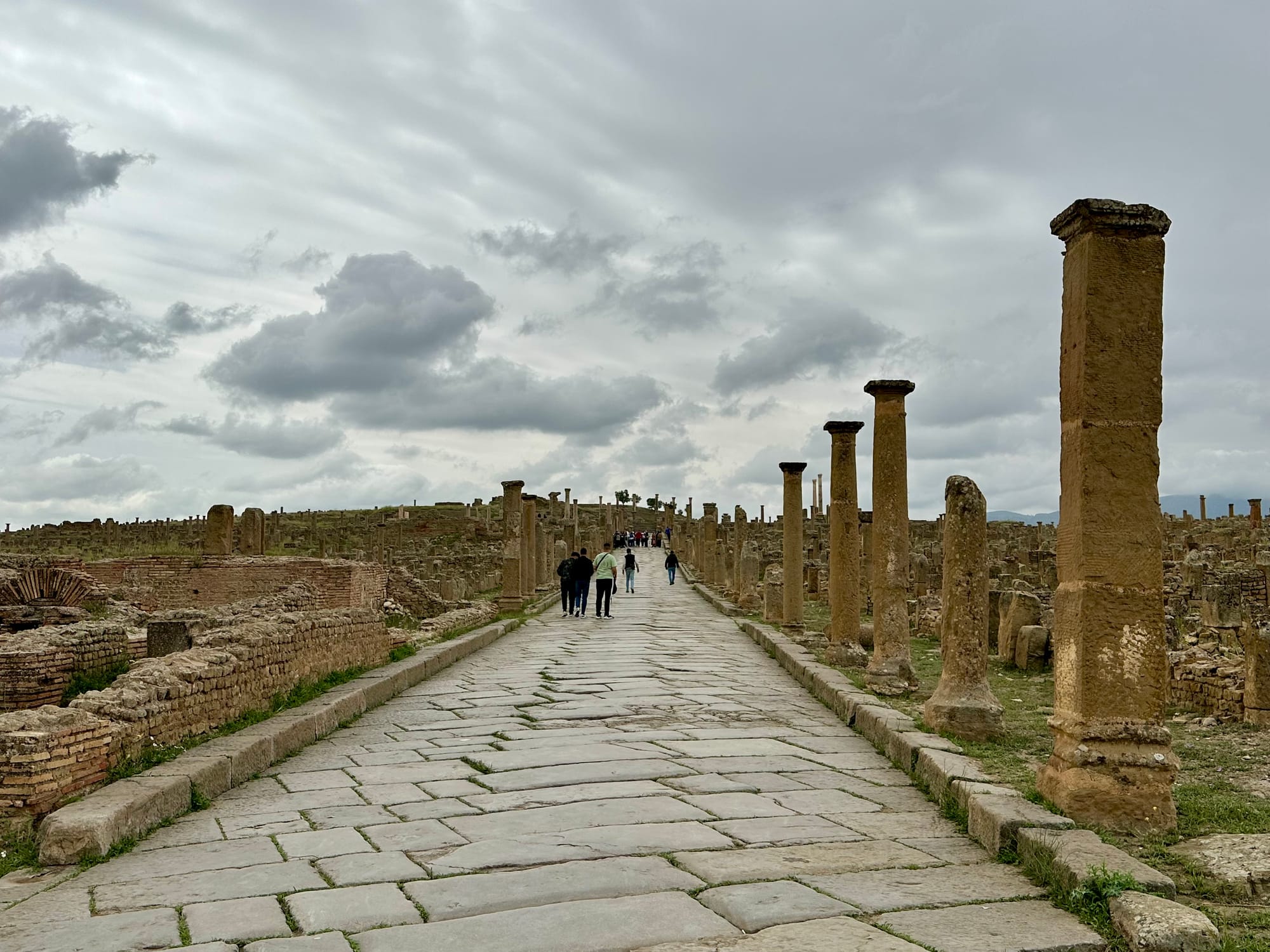
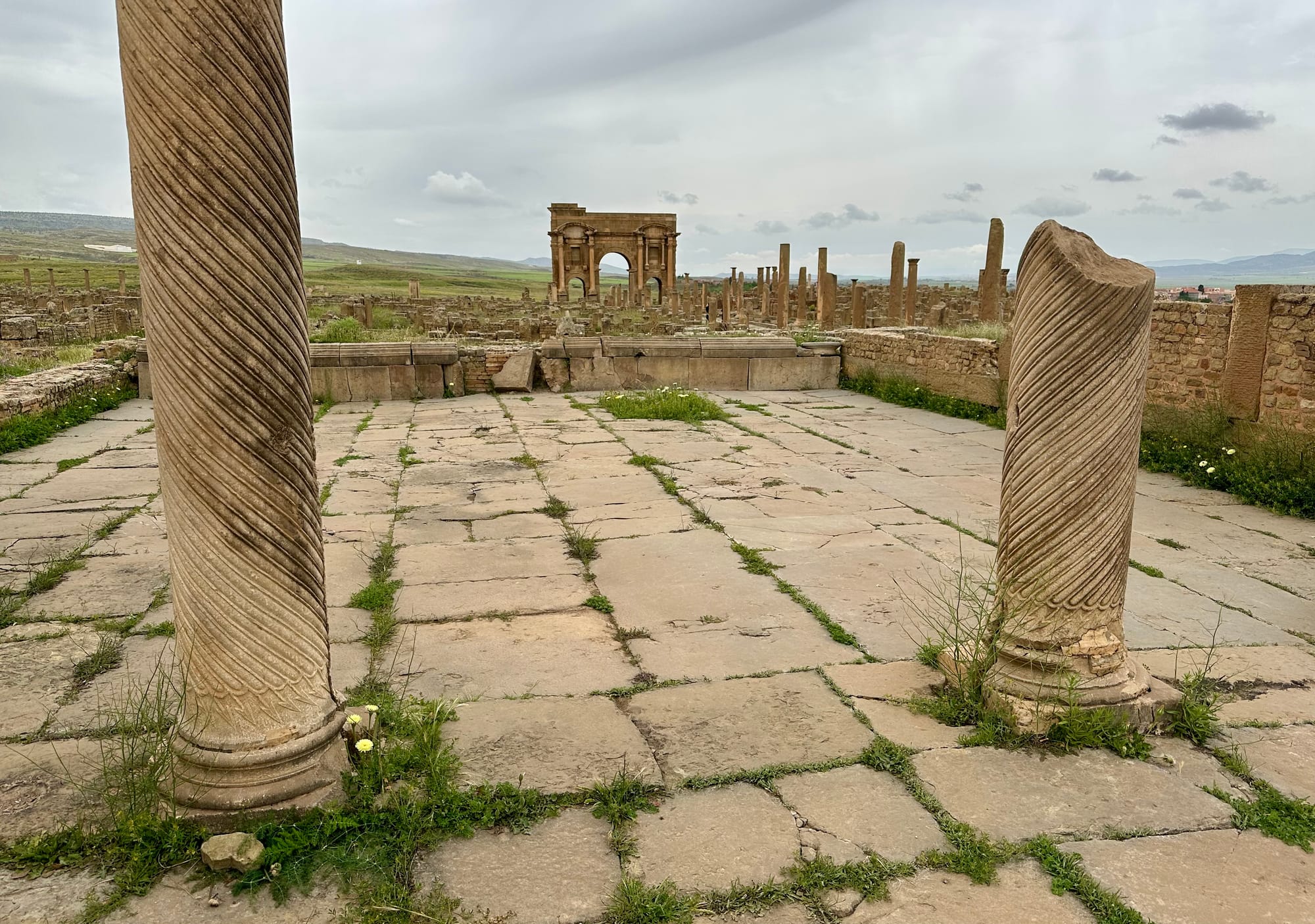
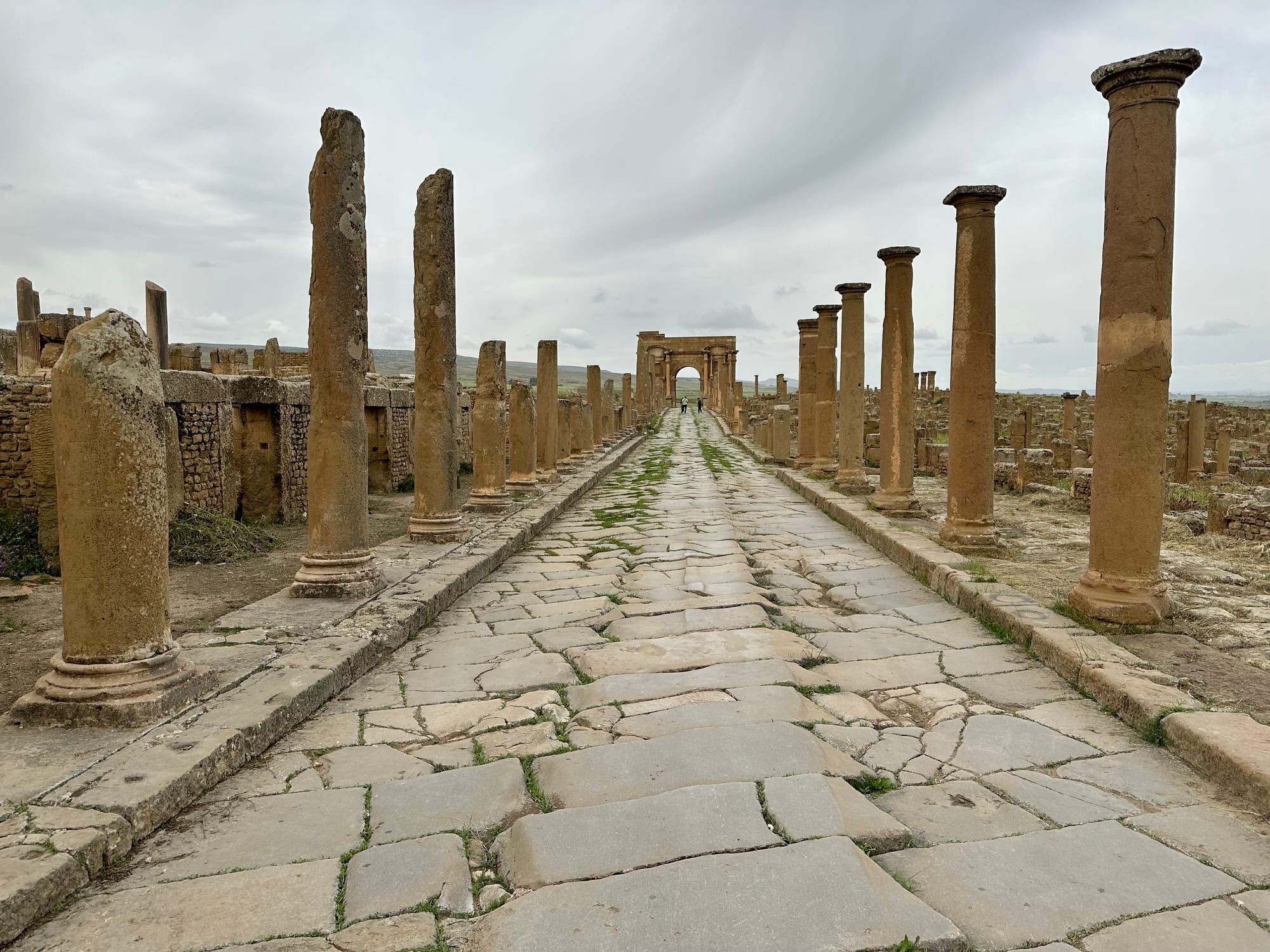
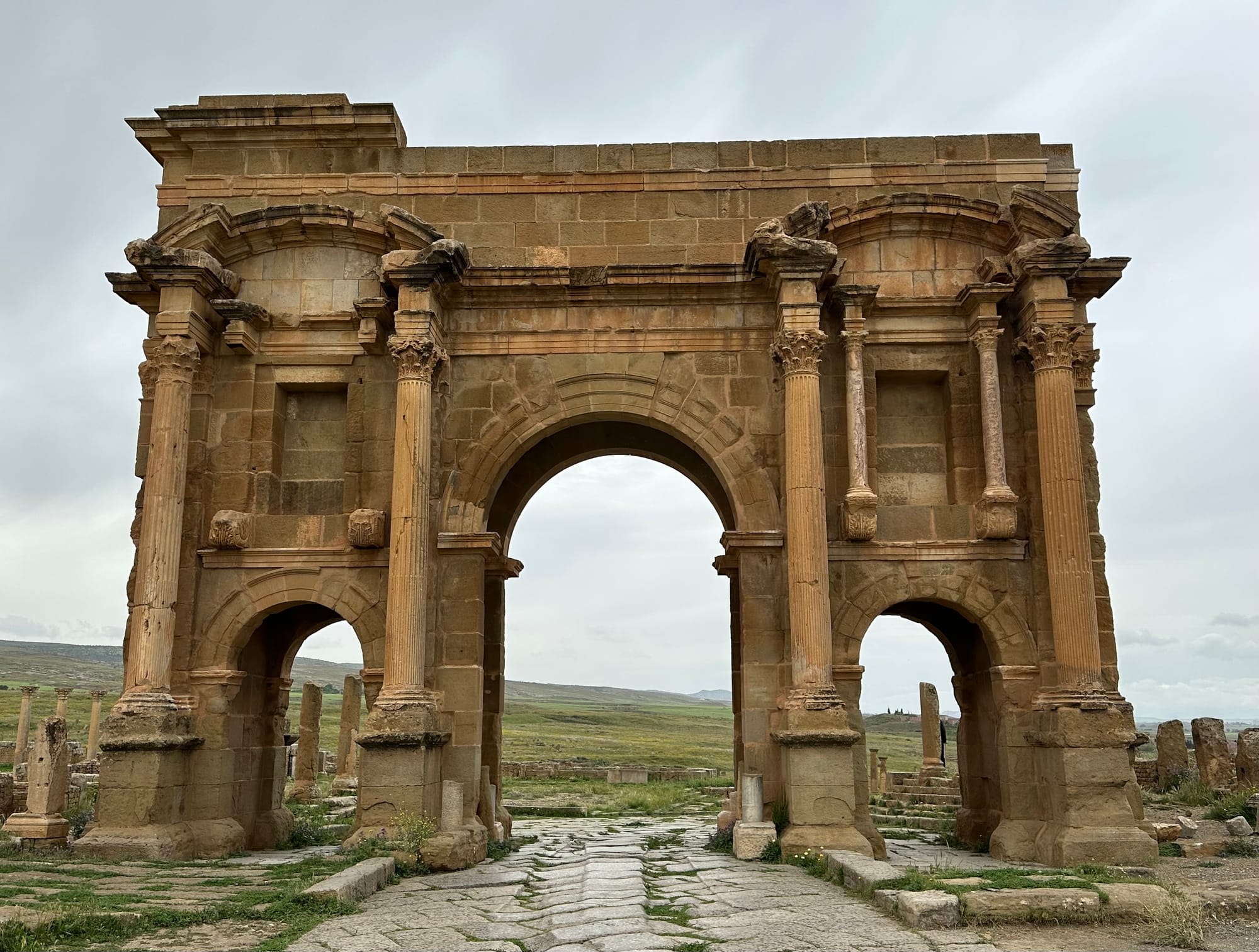
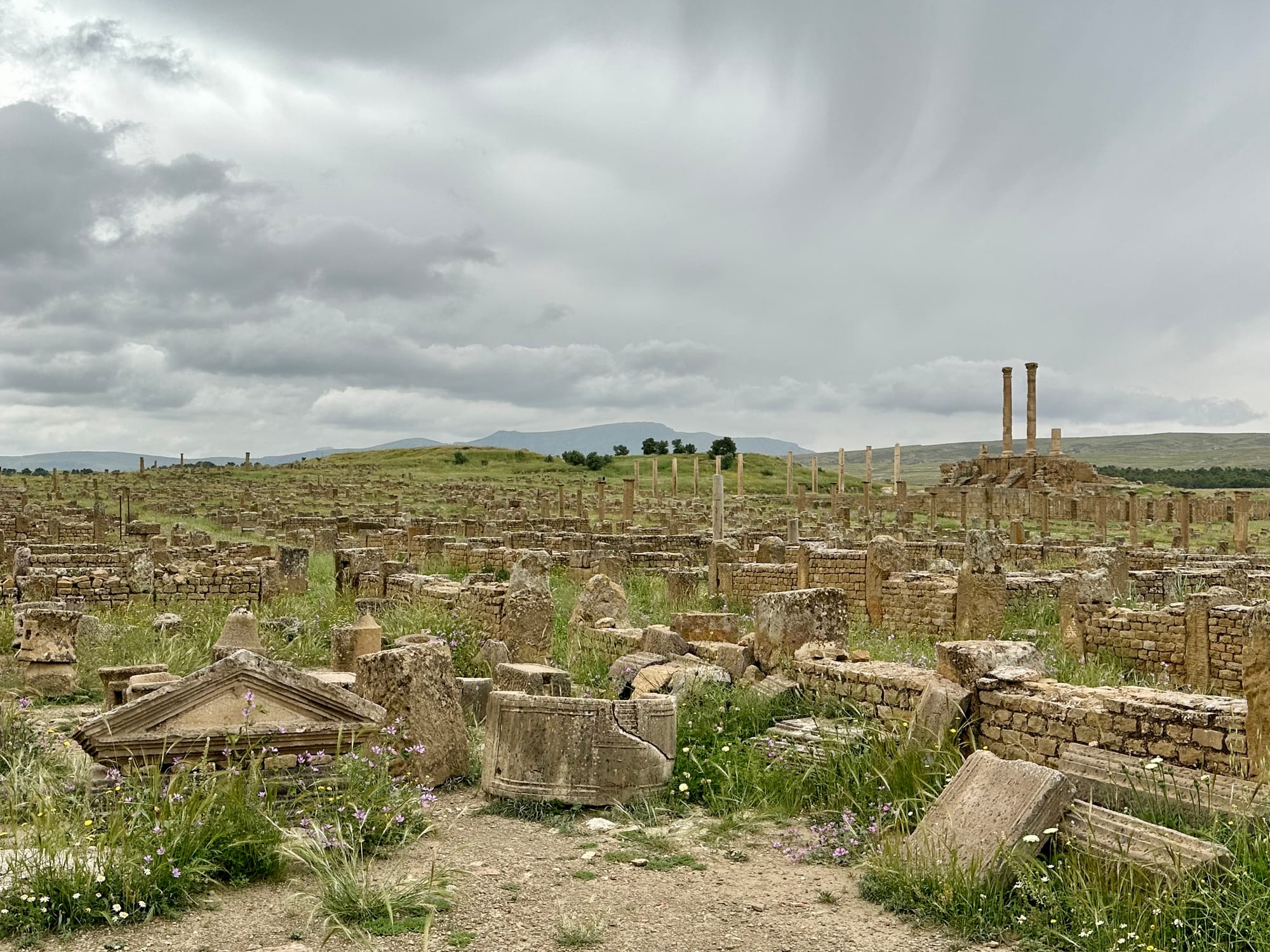
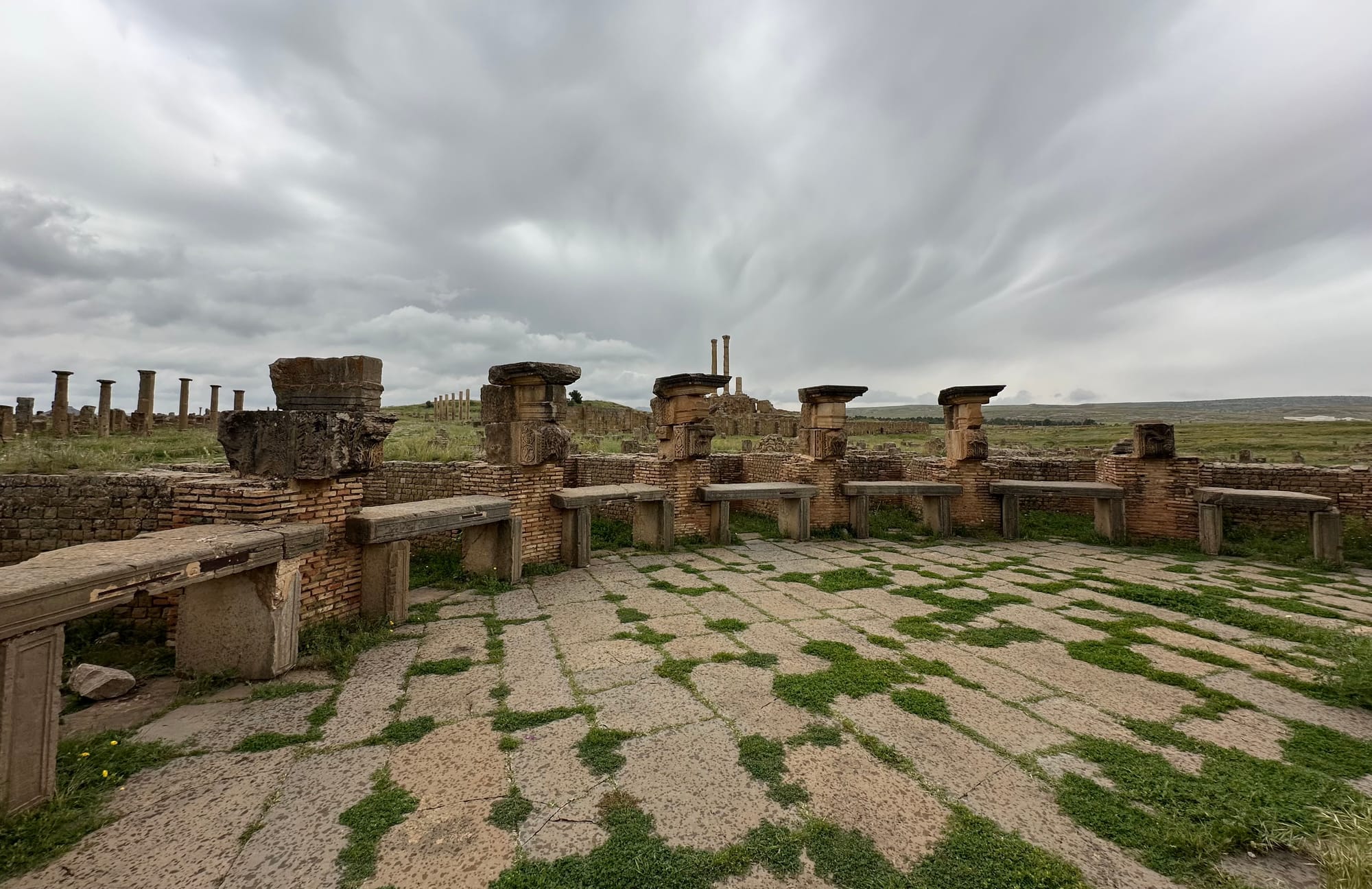
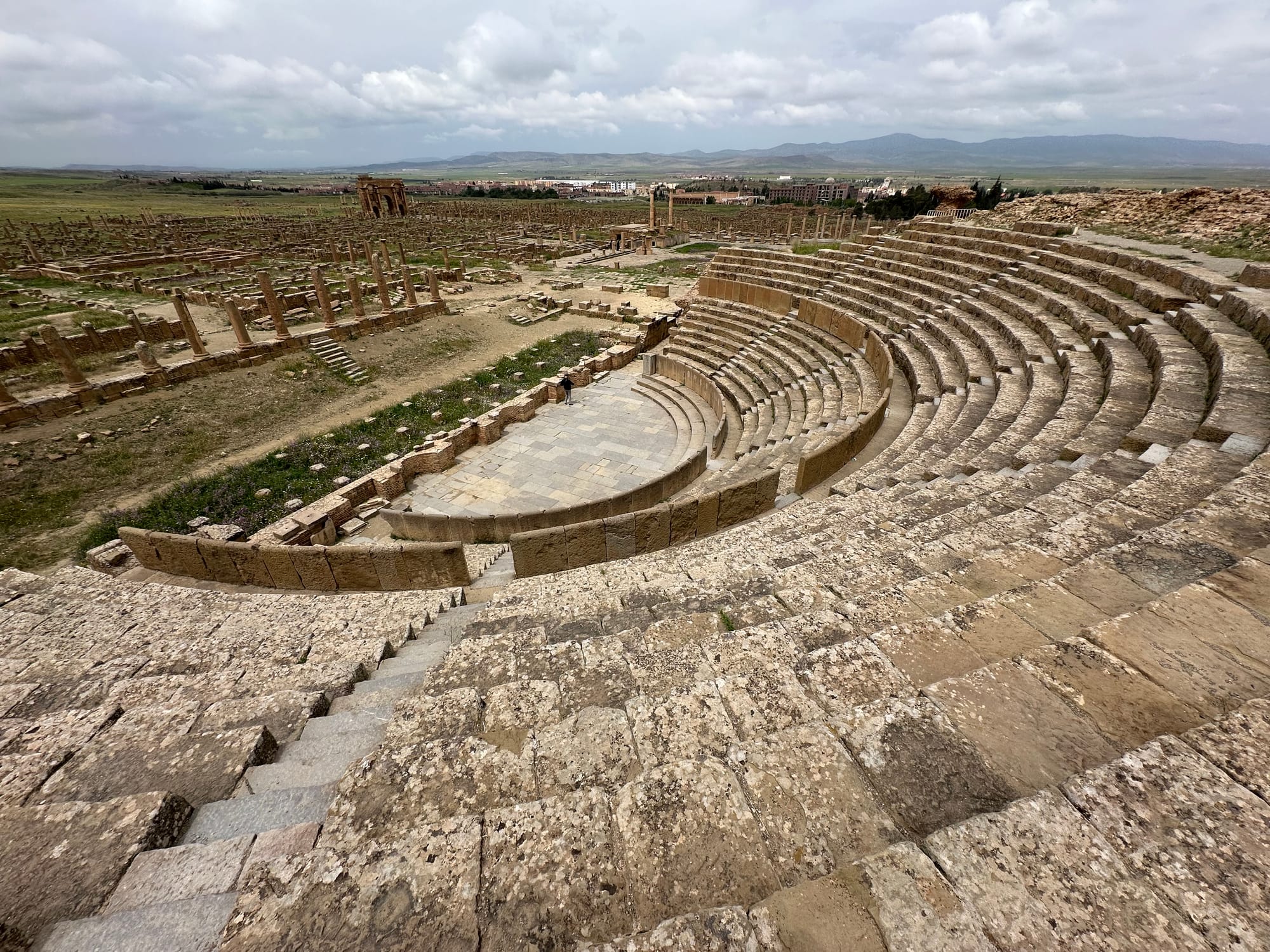
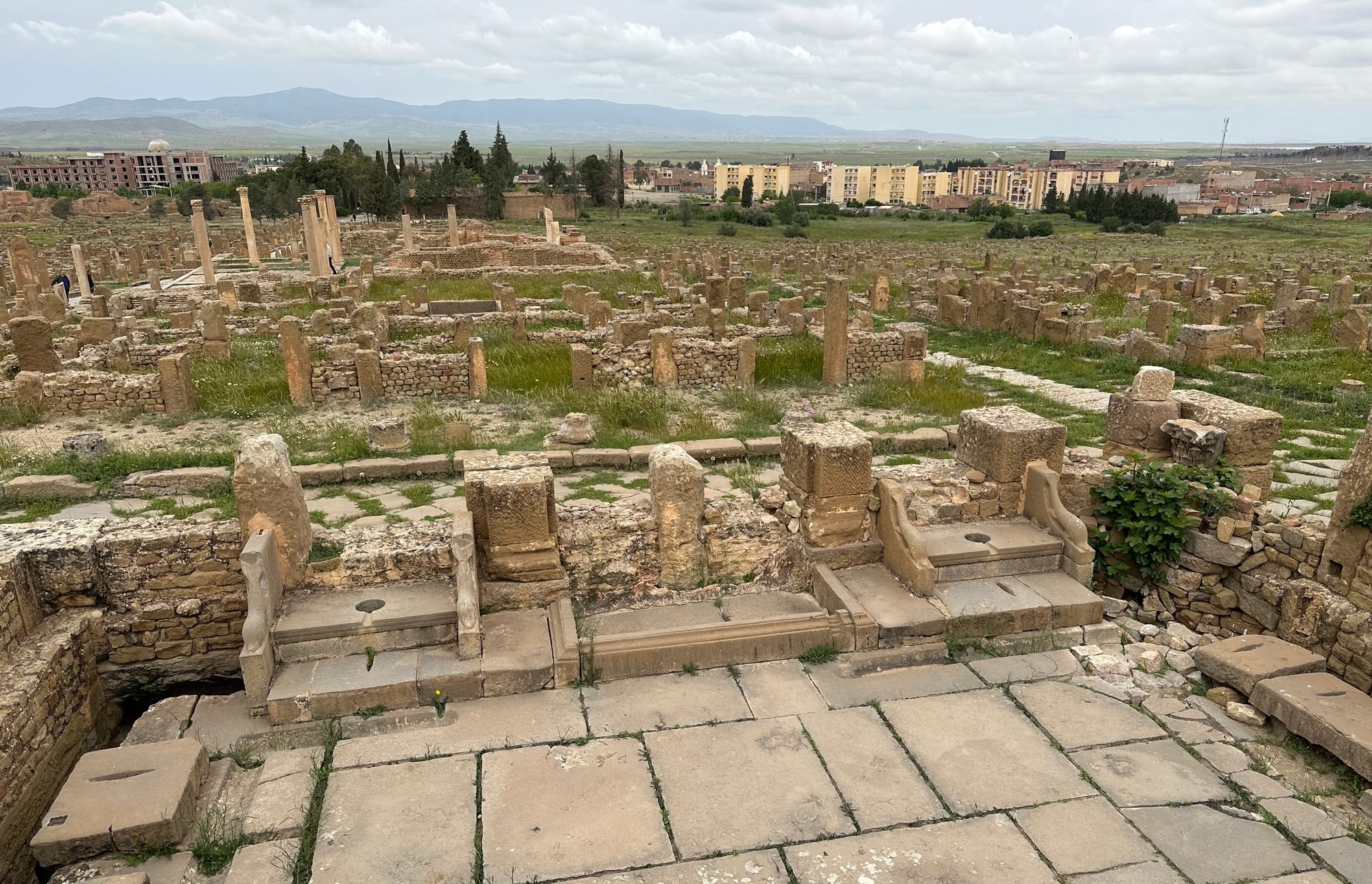
Timgad, or with it's full name; Marciana Traiana Thamugadi was a Roman city, built around 100 AD during the time of emperor Trajan. Its ruins are remarkably well preserved and well worth a visit. Having been built practically from scratch on a relatively large plain, it’s the quintessential Roman city built on a pre-planned square grid, incorporating a lot of the urban planning ideas typical for the Romans at the time. The ruins were excavated by the French during the time of their colonisation of Algeria and they also removed some of the later additions from the Byzantine era. Since 1982, it's also on the list of UNESCO World Heritage Sites.
It was built for Romans with full citizenship, normally soldiers who received it after 25 years of military service. Over time, it included more and more of the local Berber population who mixed with the Roman veterans. The economy of the city relied most heavily on two things: water and olives. As it’s located in a semi-arid area, practically at the gateway to the desert, being able to manage water supply was crucial. Thus, Roman technology and construction knowledge were key in making this a flourishing city. Aqueducts brought water from springs far further afield and there were systems in place to collect rainwater as well. Apart from providing water for the city itself, they also watered the olive groves from which olive oil, their most important export commodity was made. It was of course used not only for food and bathing, but also as fuel for lighting.
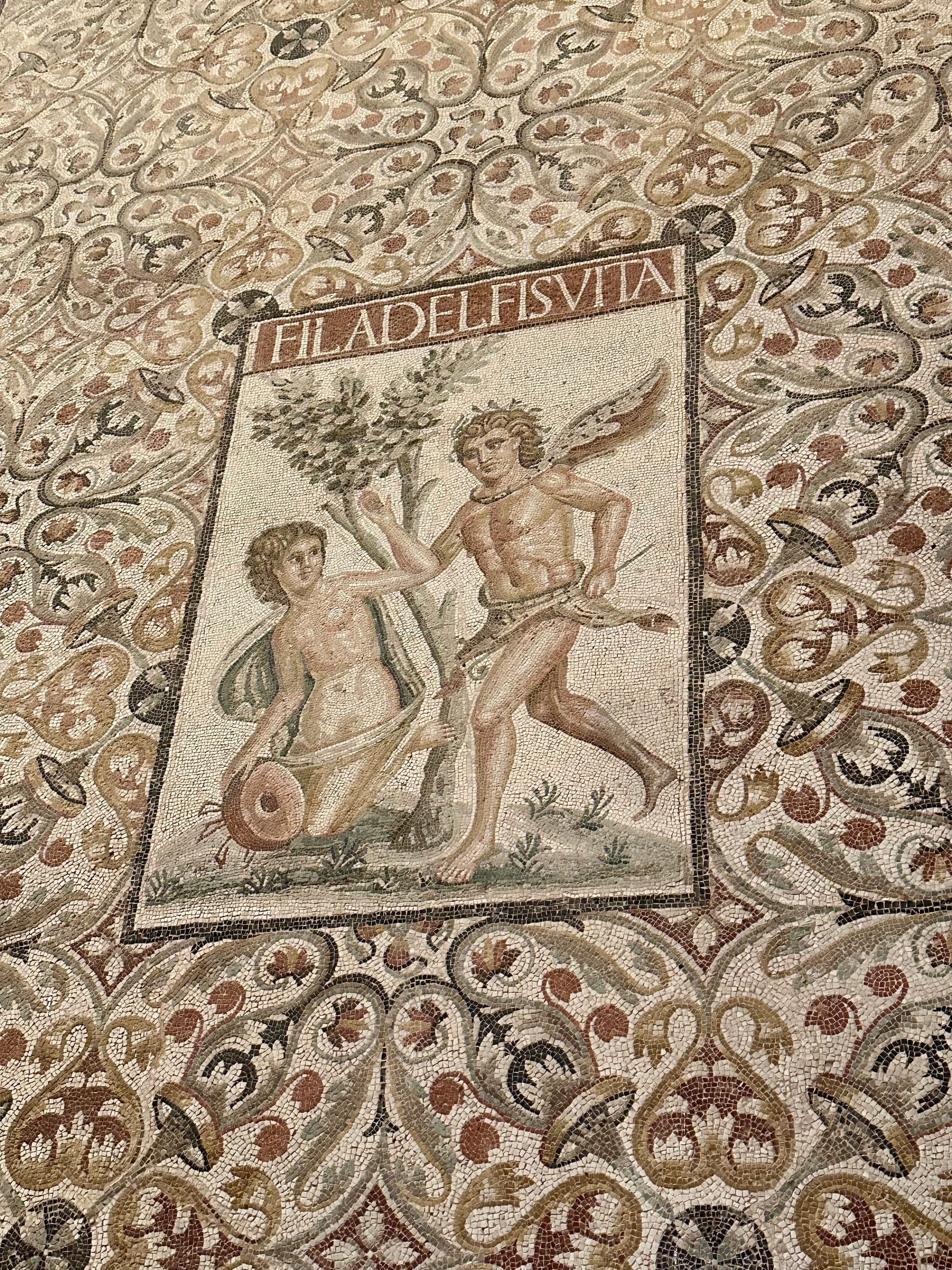
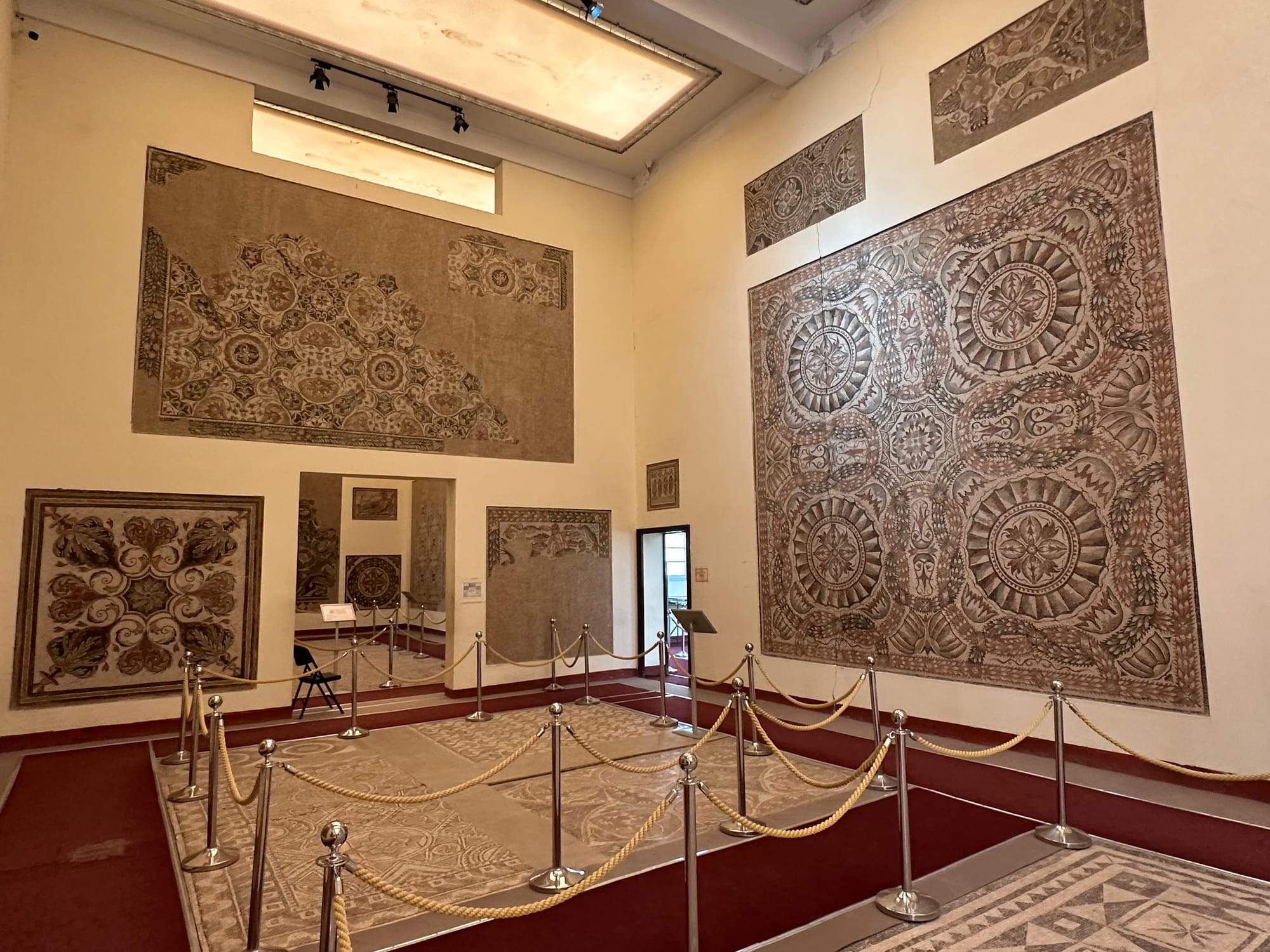
As a fairly rich city, it featured many monuments, detailed mosaics, bath houses and even a public library. Its well-off citizens sponsored such undertakings for the public good and in order to advance in the city’s social hierarchy. That Timgad offered its citizens far more than the basic means of survival is clear from the quote engraved on the steps of the forum; "Venare, lavari, ludere, ridere, occ est vivere" - "To hunt, to bathe, to play, to laugh, that is to live!".
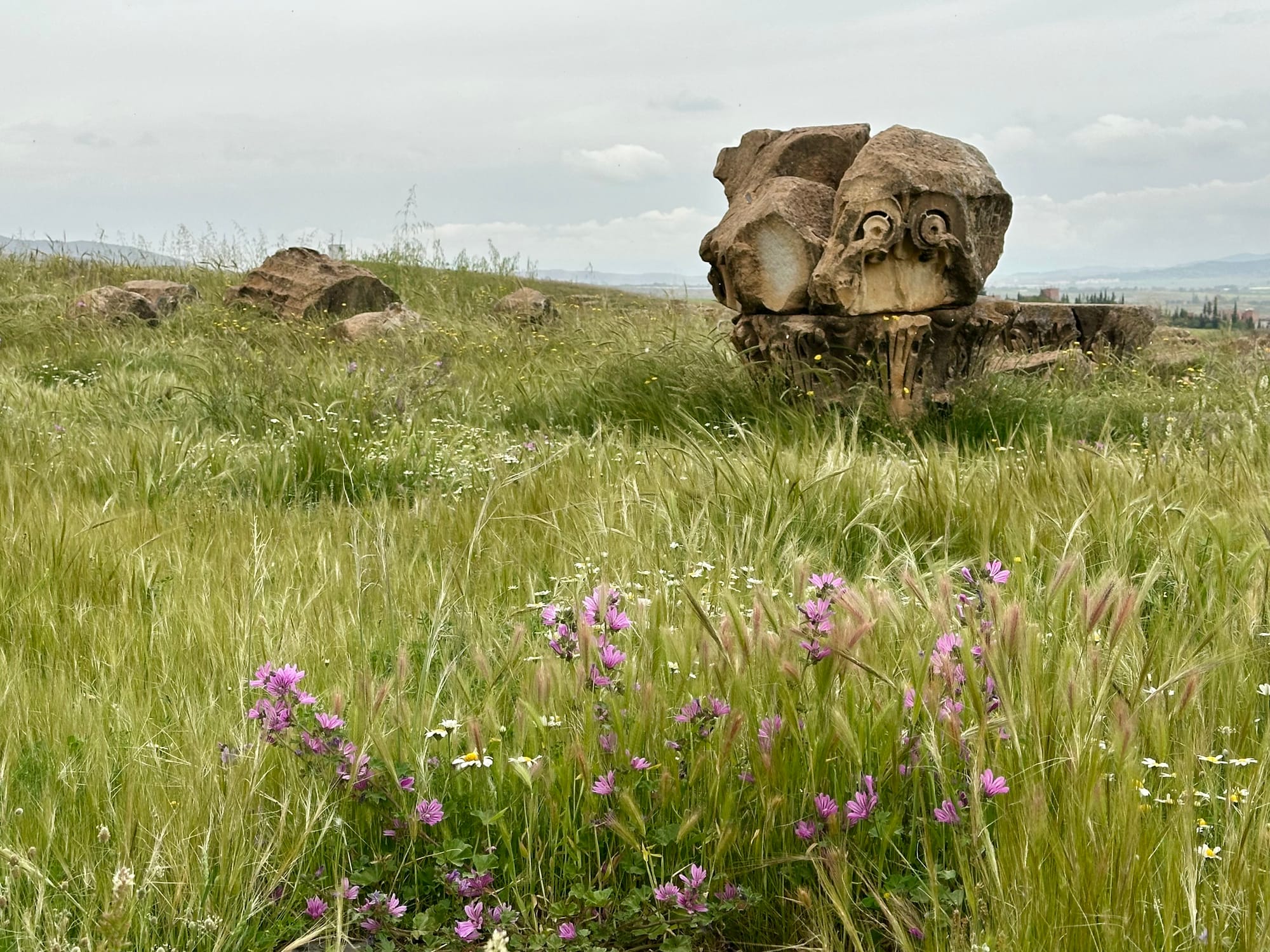
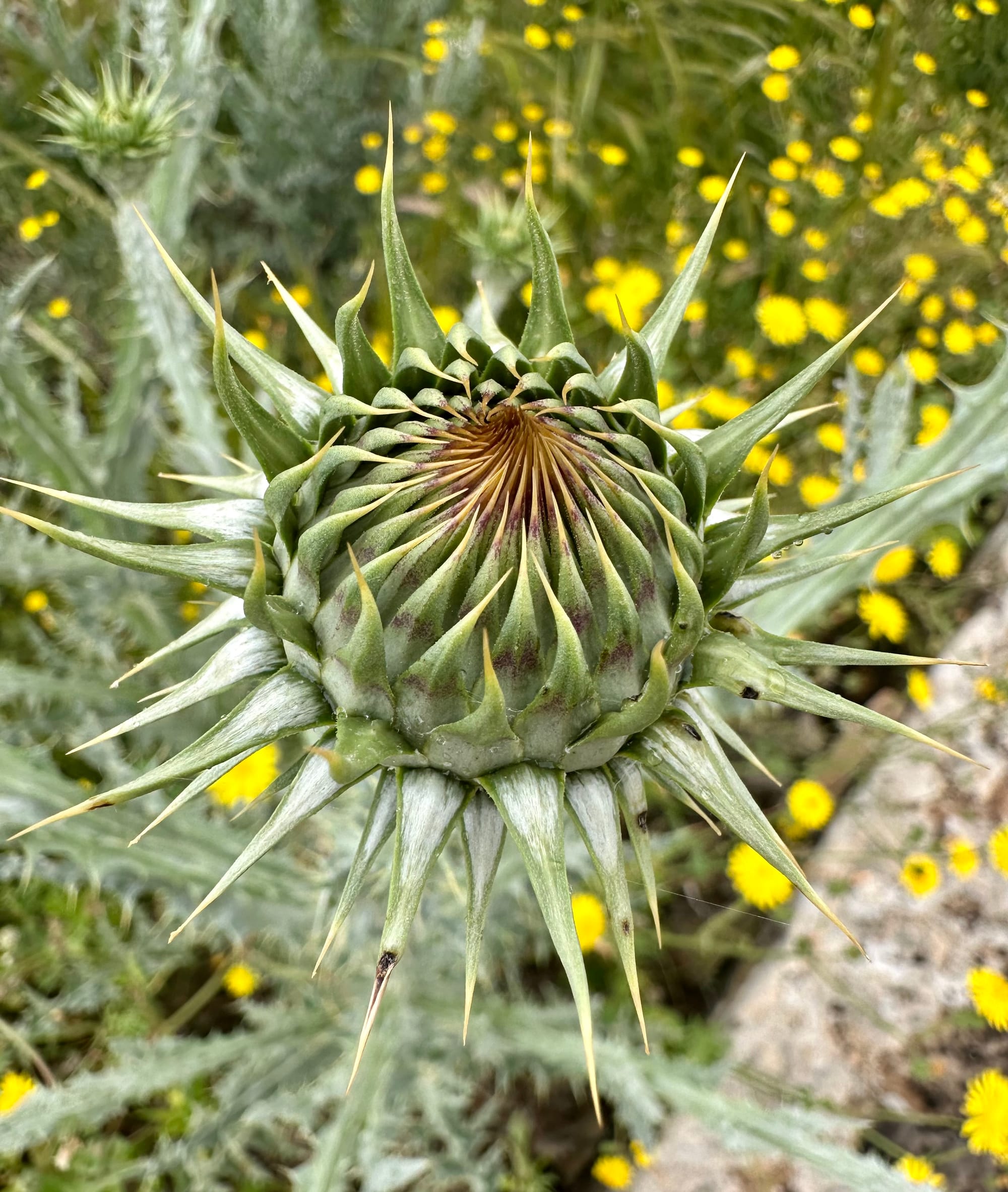
Walking around this wonderful place also made me nostalgic about playing Caesar III, an older city-building game set in Roman times and in my opinion still one of the most enjoyable games of this type out there. In recent years, they’ve also made open-source version of it called Augustus, which I enthusiastically invite you to check out. Much like Timgad, Caesar still holds up remarkably well after all this time.