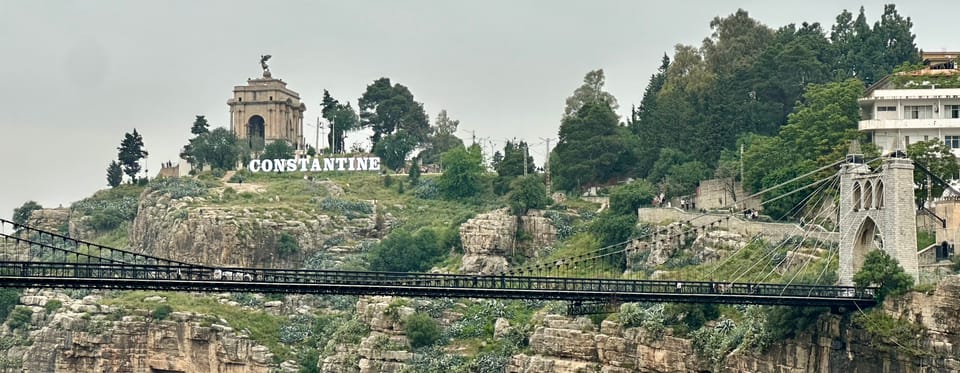
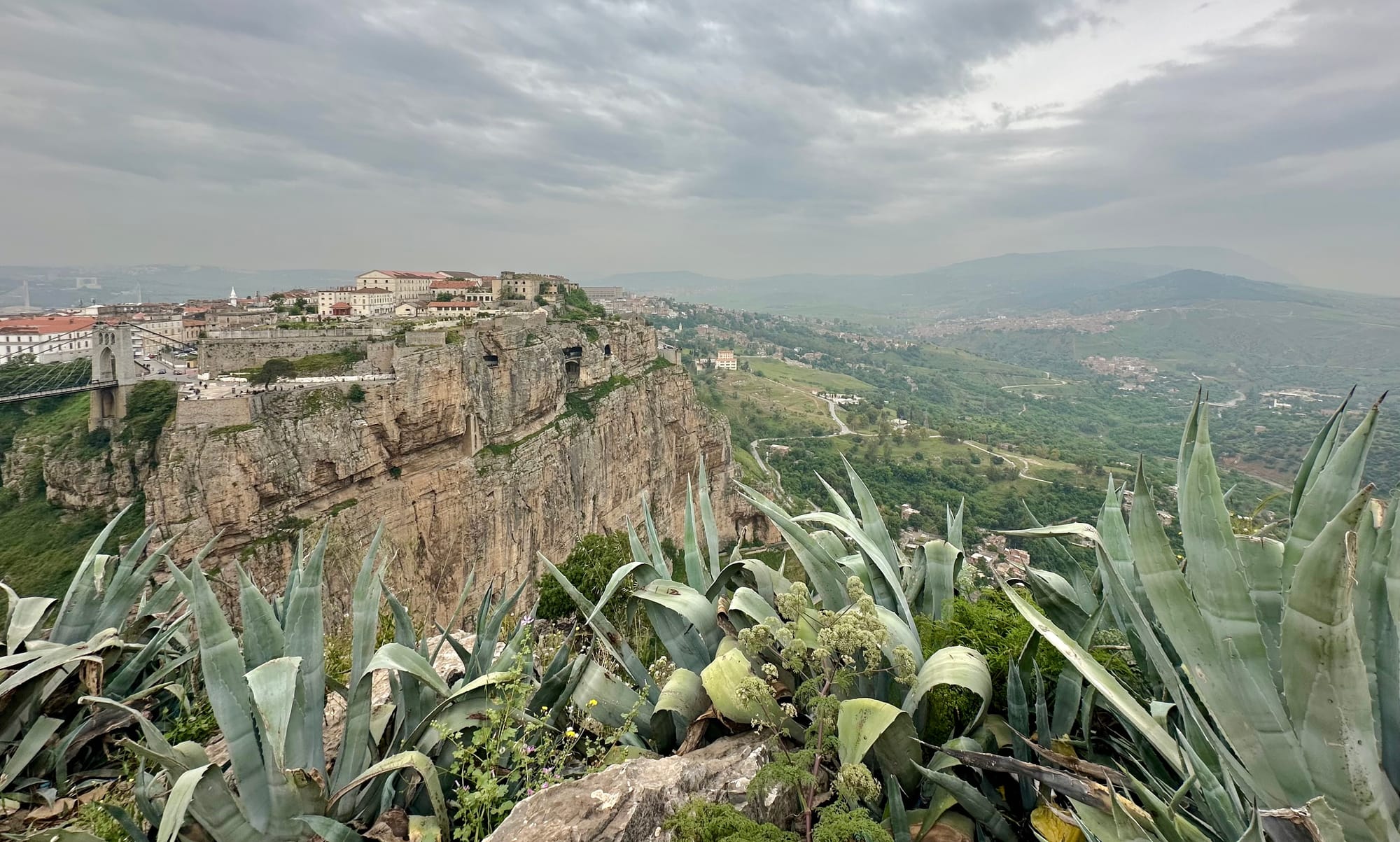
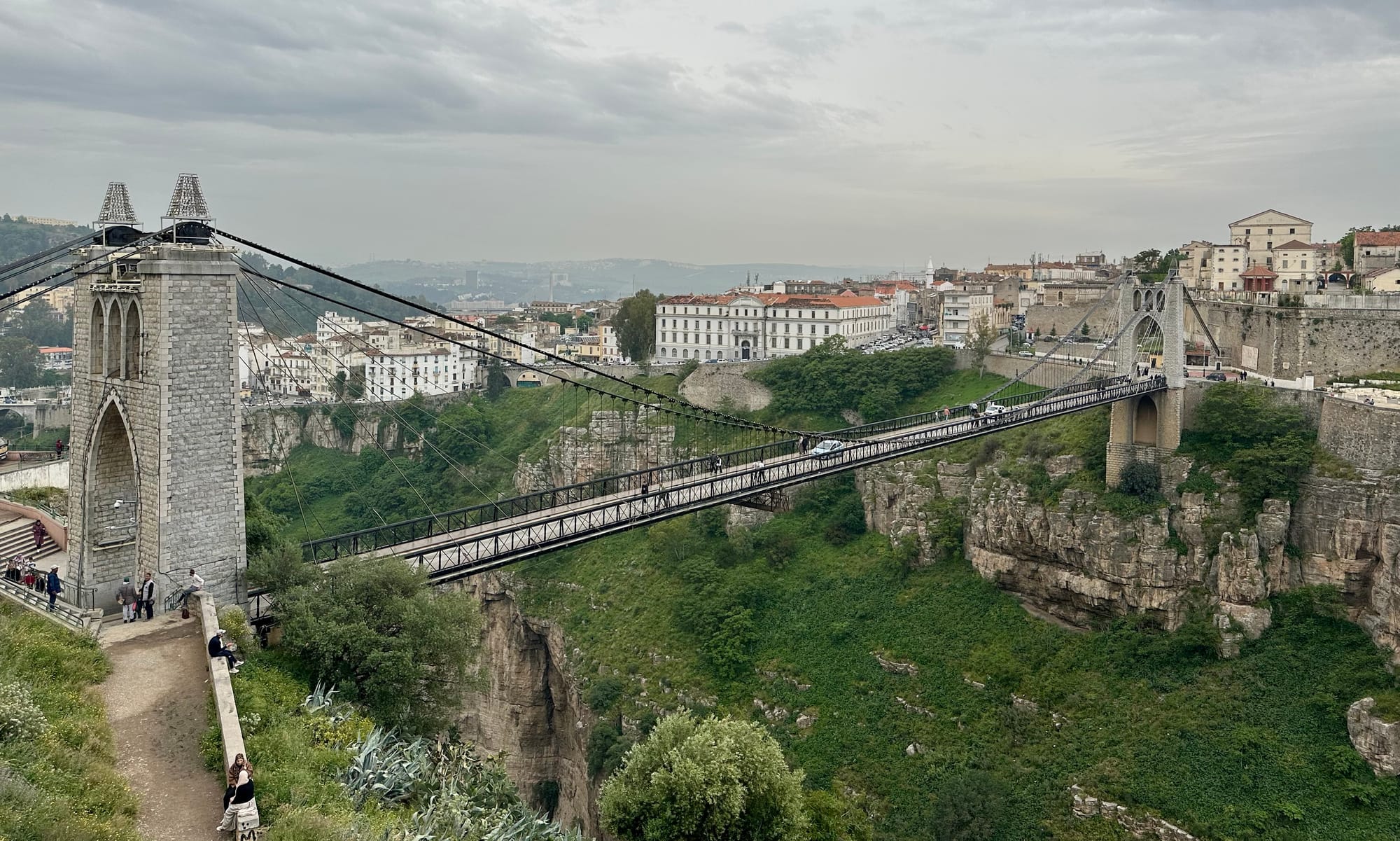
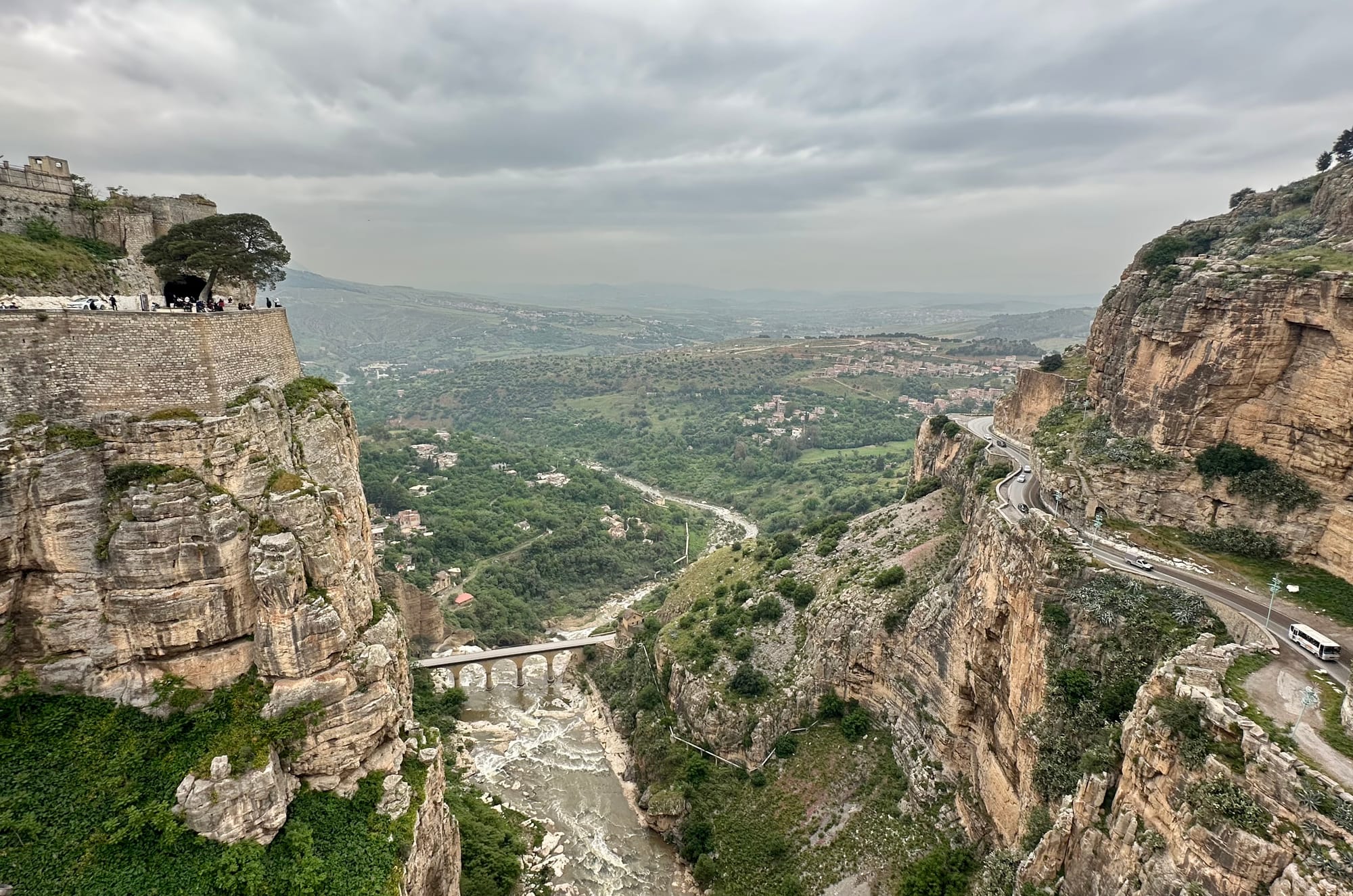
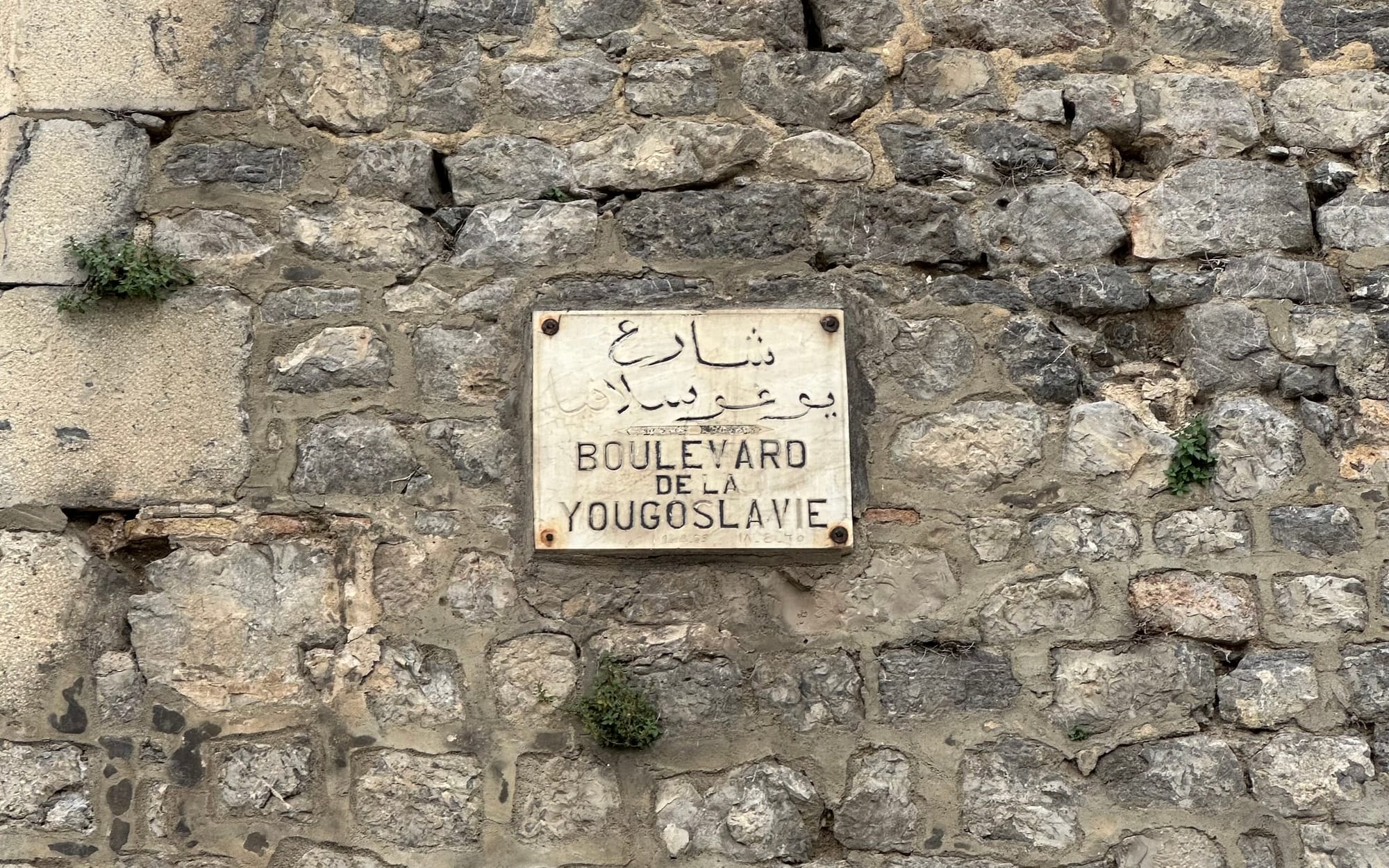
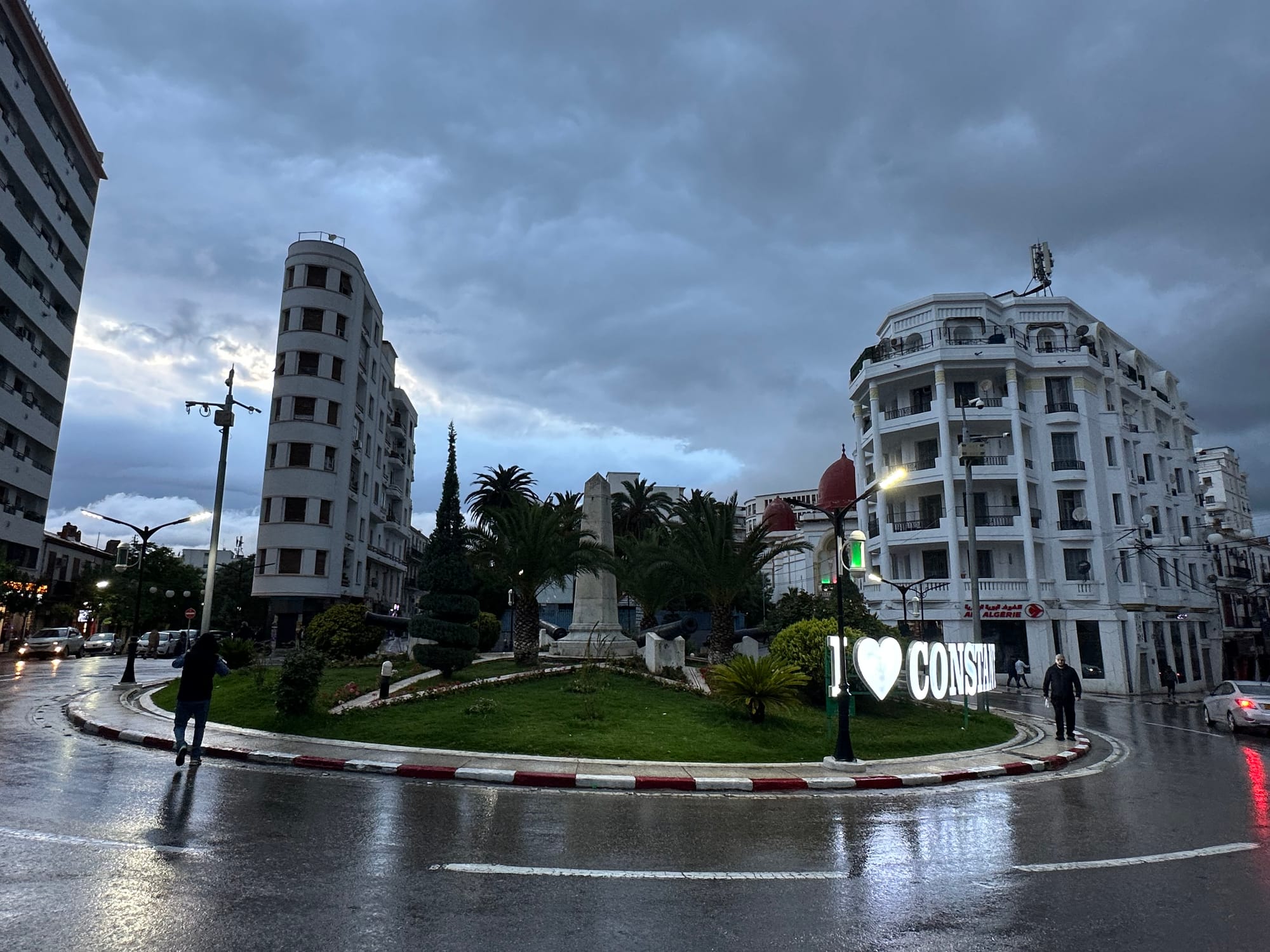
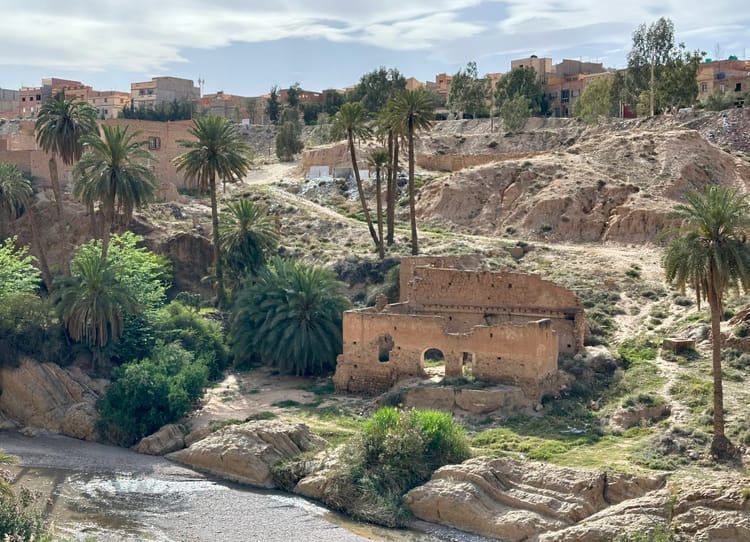
Some cities you just can't stop taking photos of. By the virtue of the canyons it spans and the layers of history nested on top of them, Constantine is one such city. Somewhat shy of half a million inhabitants, it's the third largest city in Algeria. It has graced us with its presence since antiquity, when it was known as Cirta. First as the capital of the Berber kingdom of Numidia, later as a Roman city. It was later rebuilt by Constantine the Great, who indeed seemed to consider himself so great, that a rebranding of the city was surely in order for his deeds.
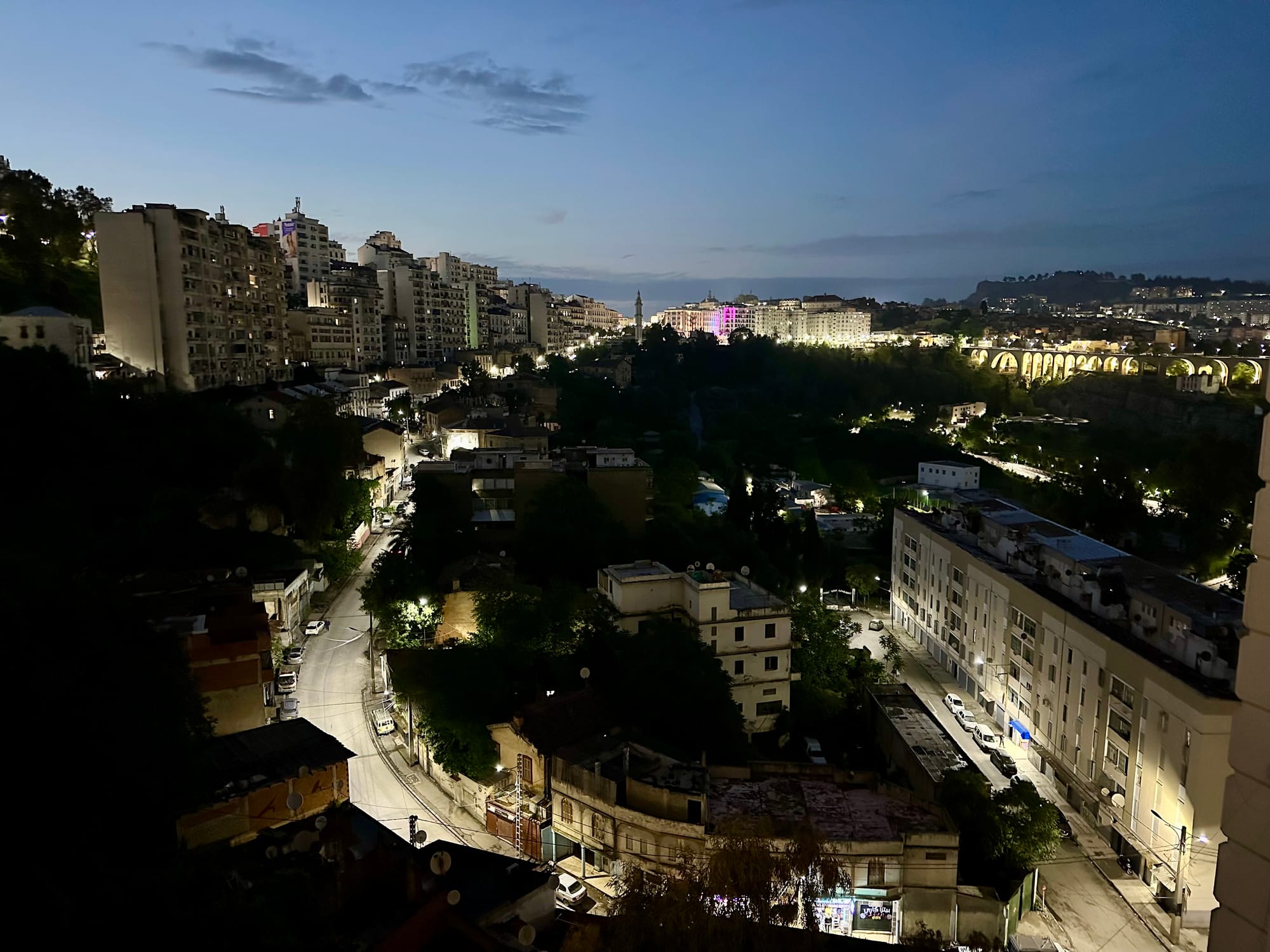
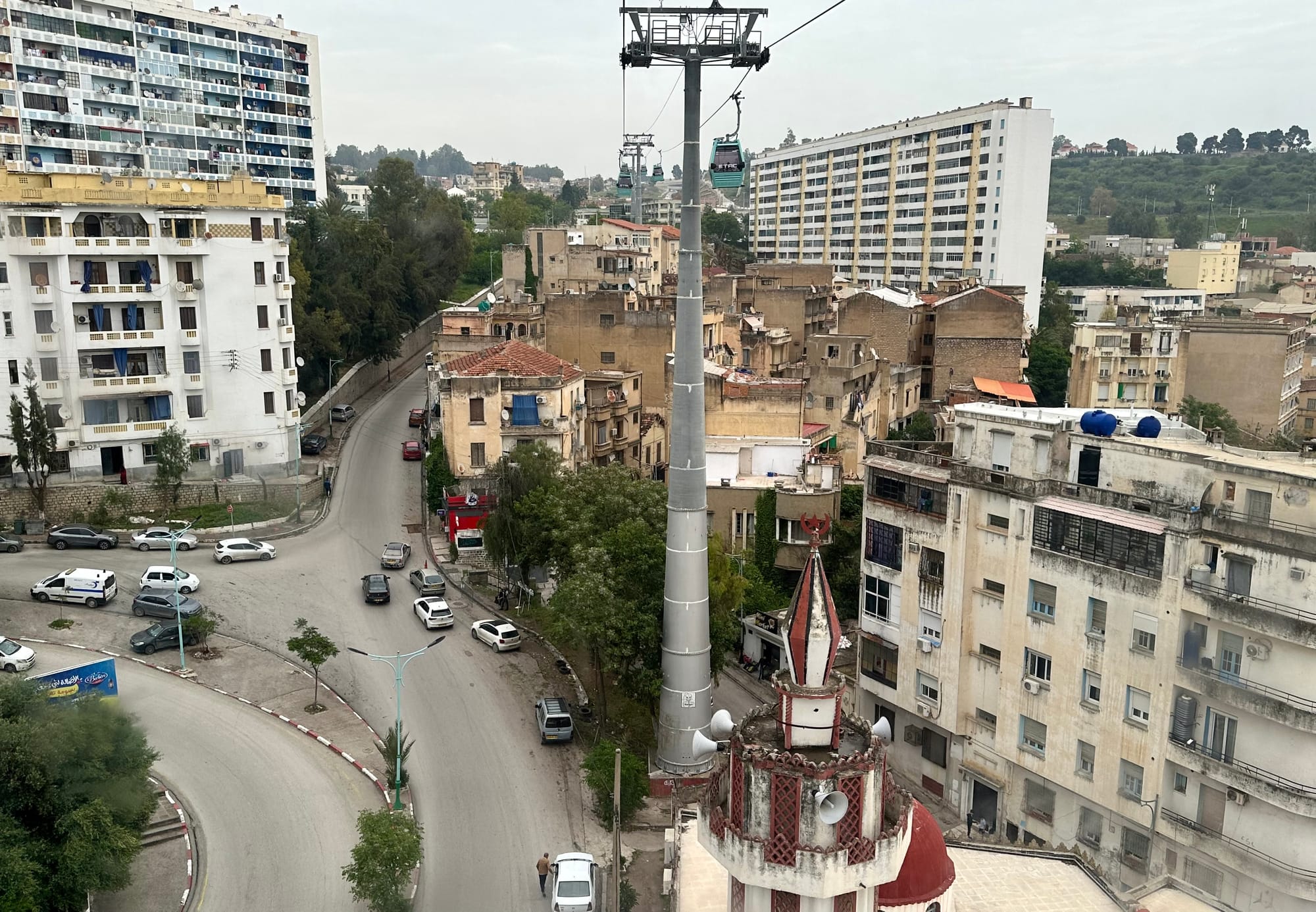
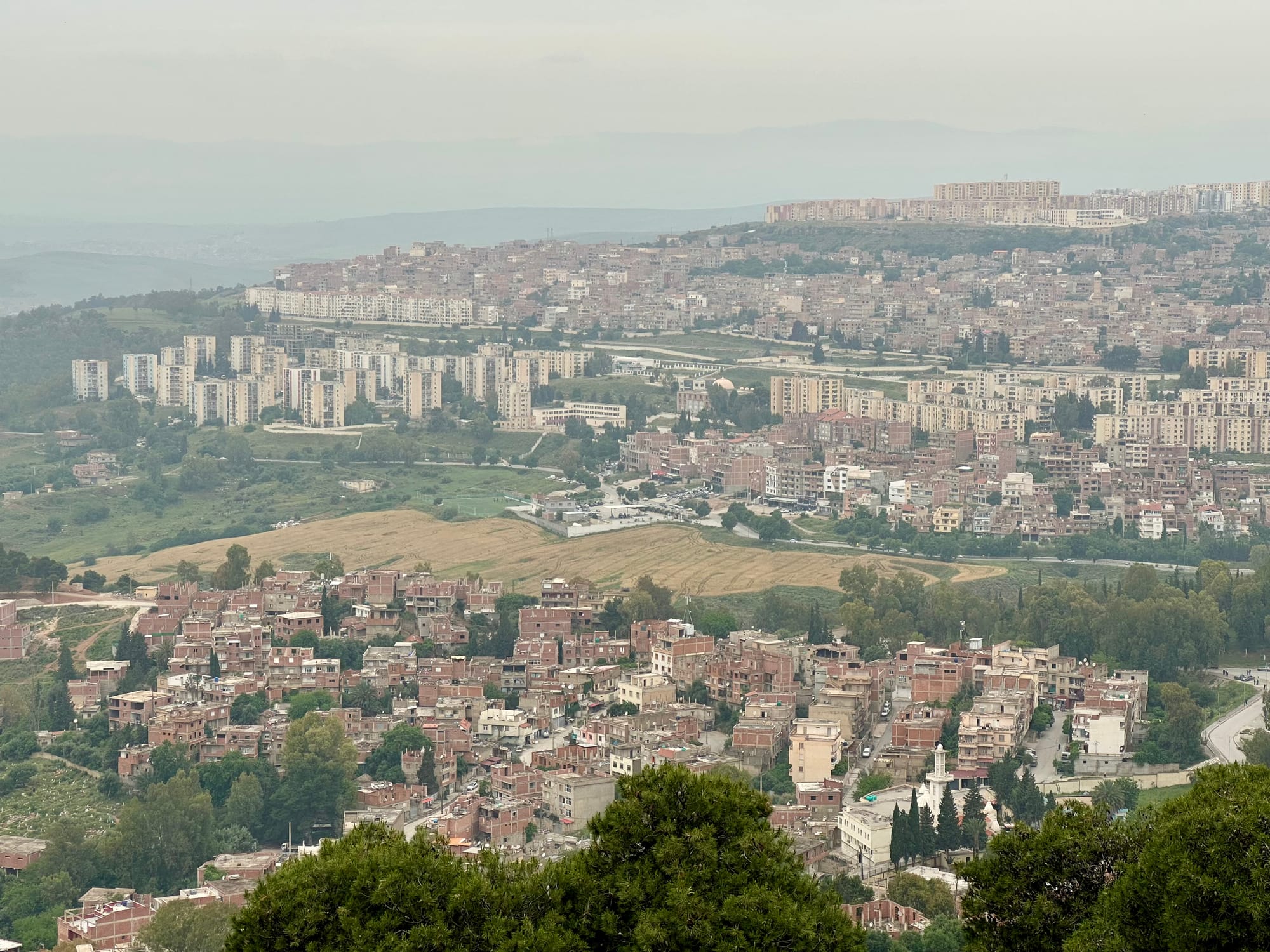
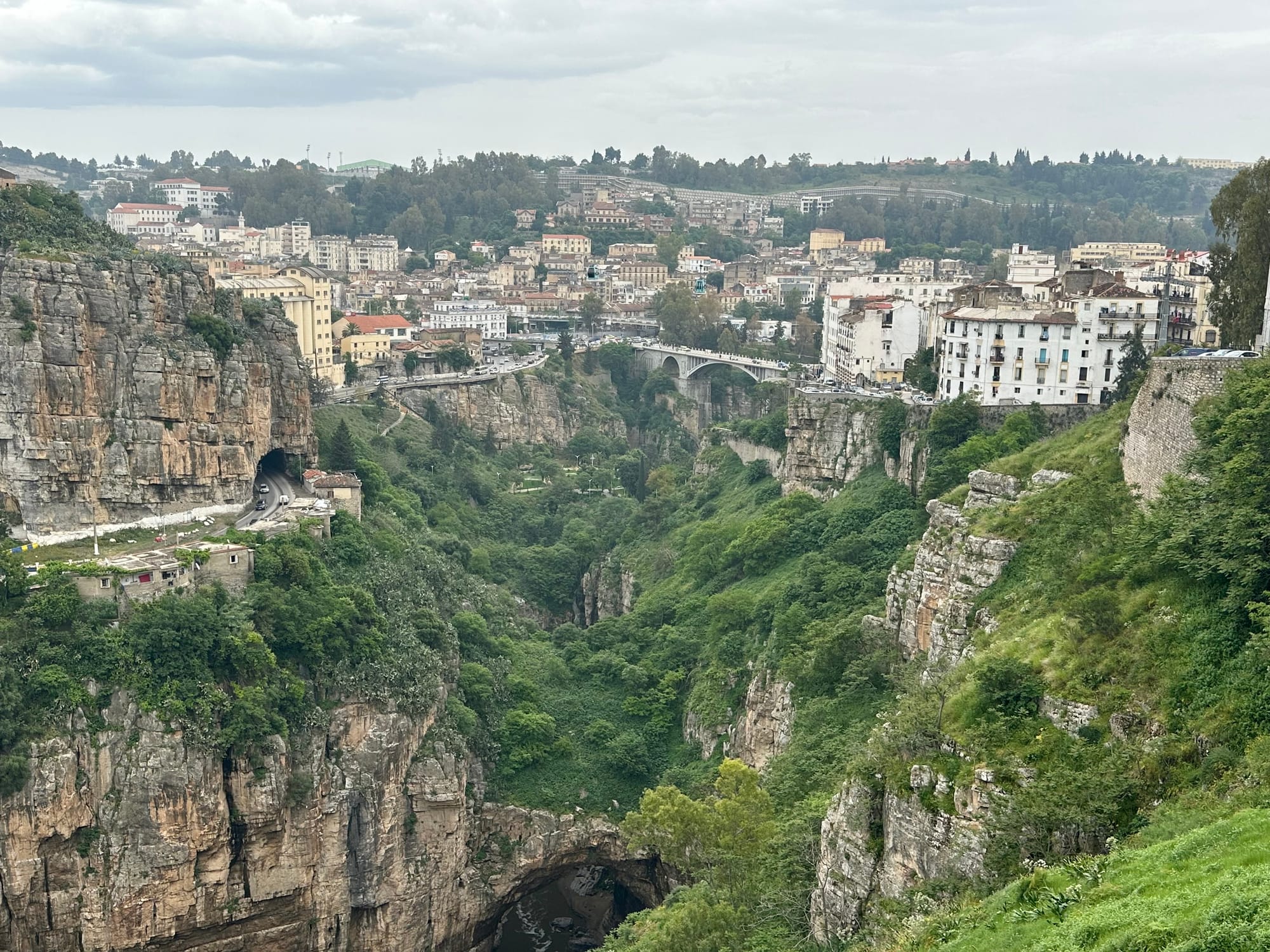
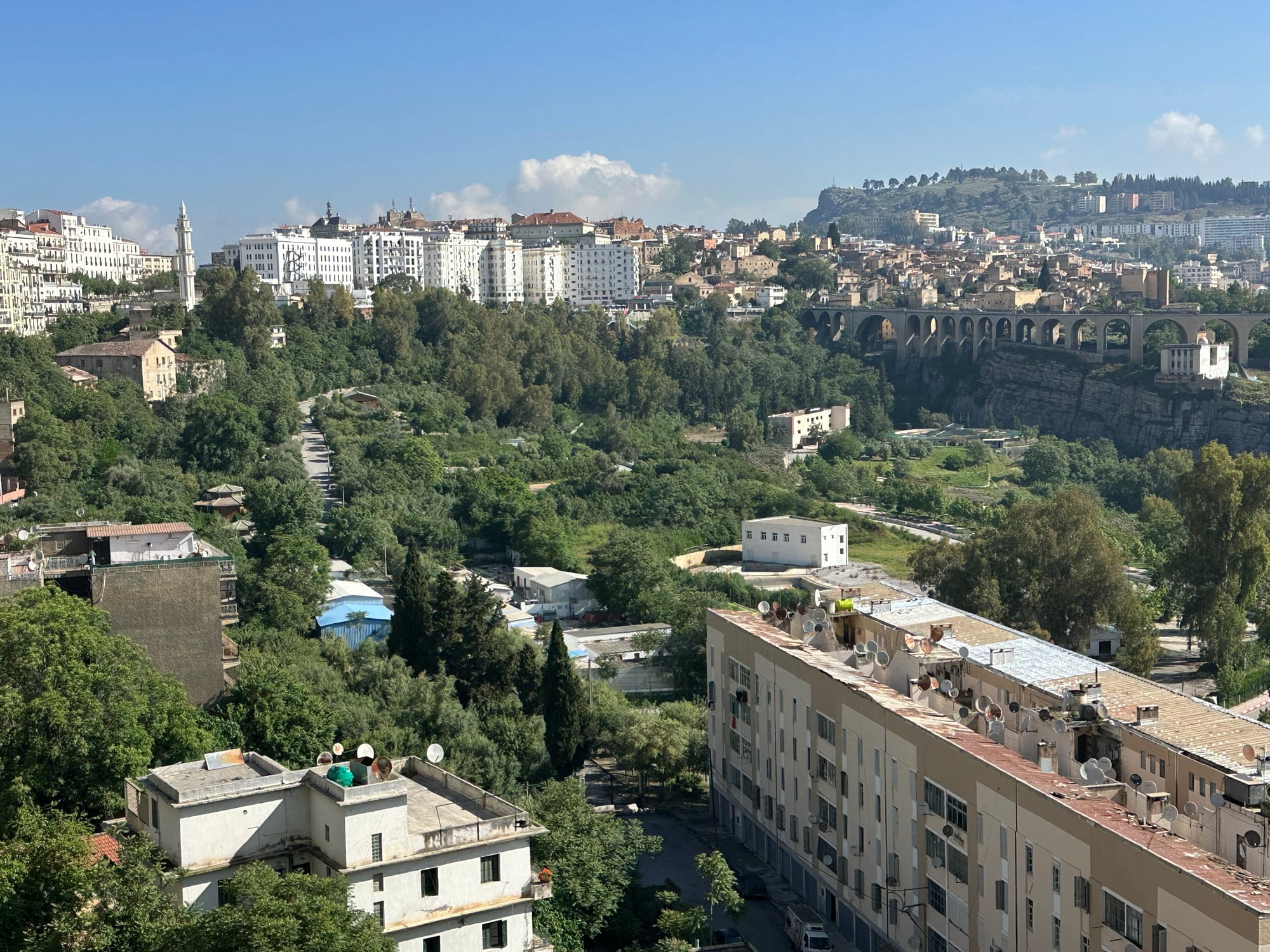
My start in Constantine was not as great, as the hotel I had initially chosen had given me keys to the room in which I found the belongings of another guest. As the room was not that great to begin with and their approach to security unpromising, I ventured ahead. The Cirta Grand across the street was gorgeous, but a bit pricey. Taking the advice of the very friendly staff there, I continued to Protea paronamique, where this view from my room awaited me. To boot, the bar in the lobby even served cold beer, which might not sound that revolutionary, but was music to my ears after the more conservative cities in the south. My home in Constantine had been firmly established.
The view from my room at Hotel Protea.
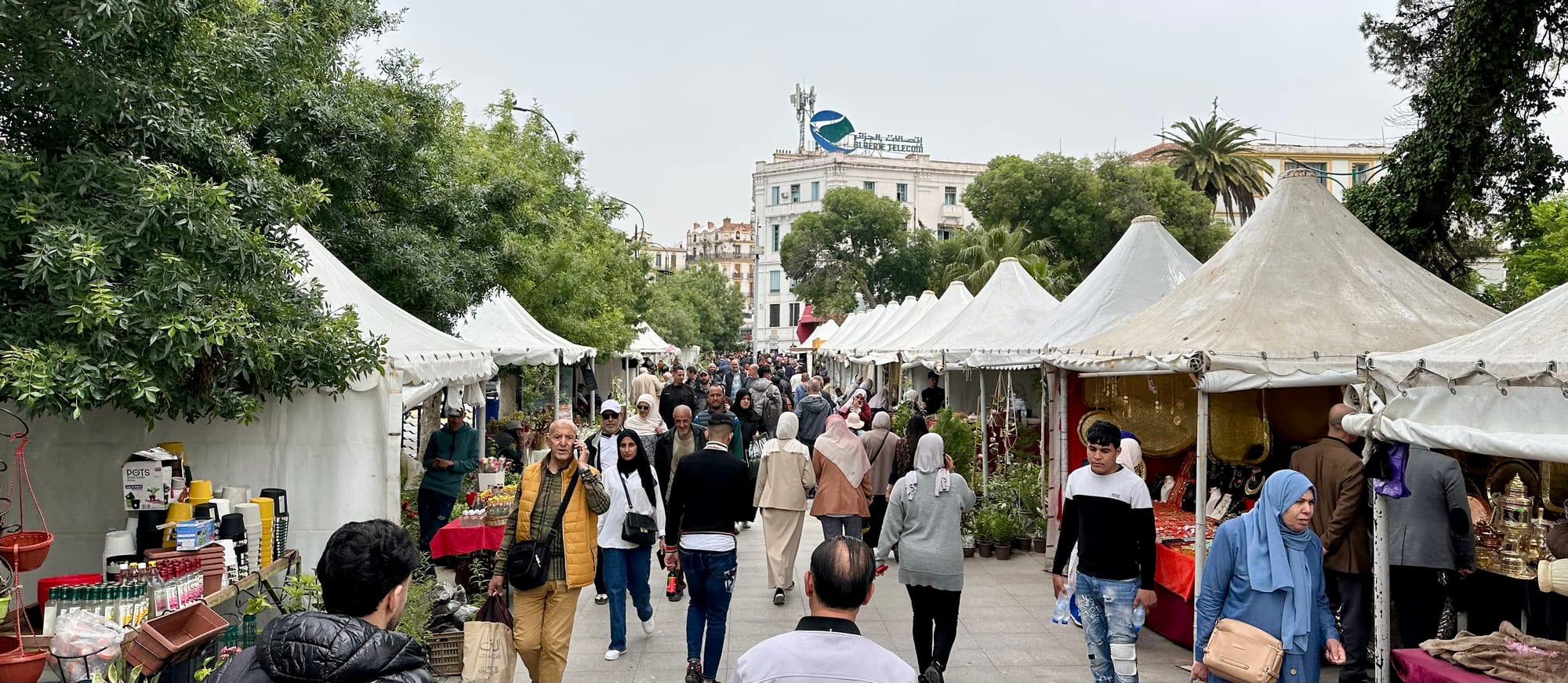
Next morning I visited the Cirta museum, full of Roman and other artifacts as well as a few more modern works of art. Then continued through the park and into the narrower market streets of the old town.
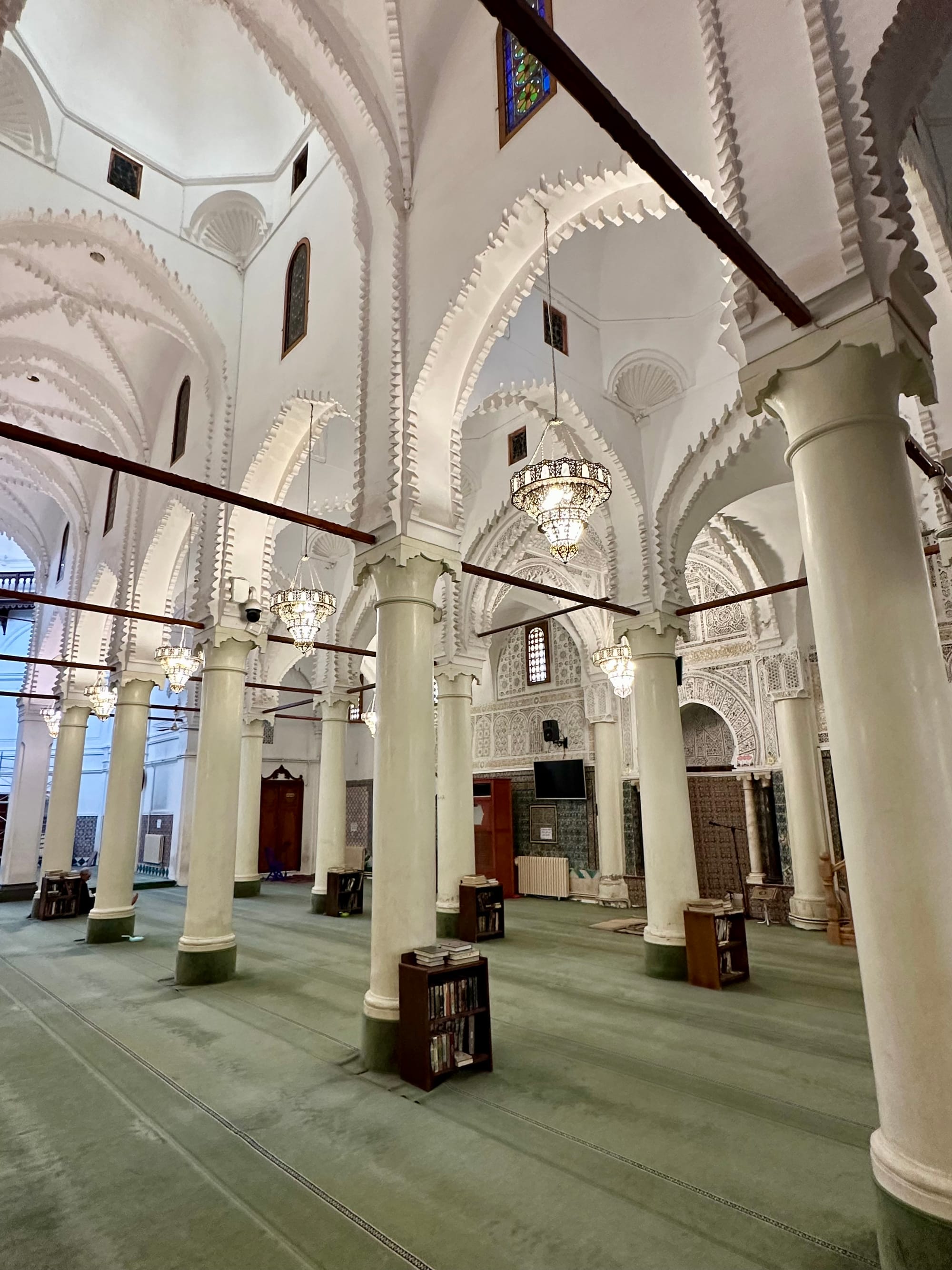
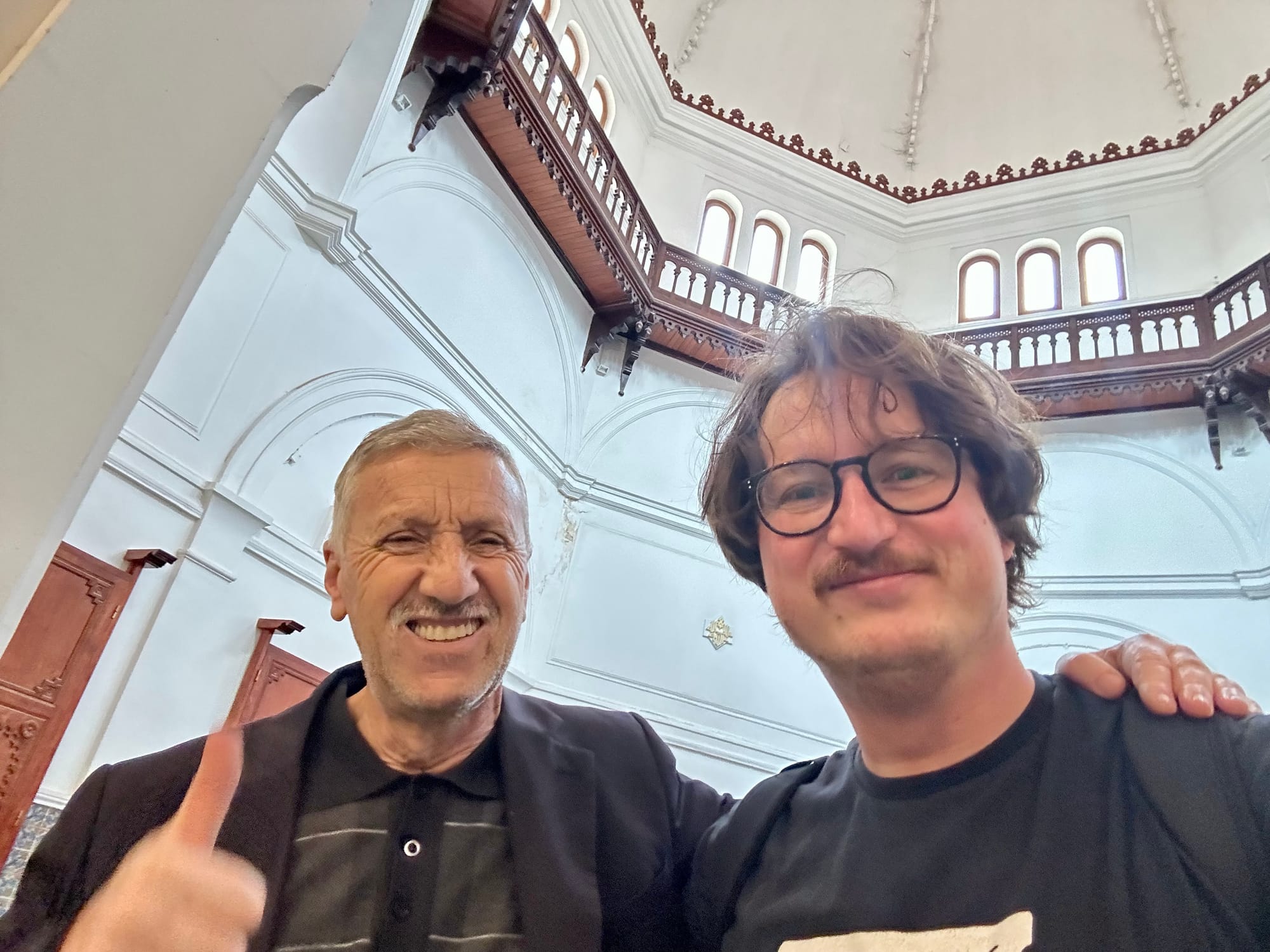
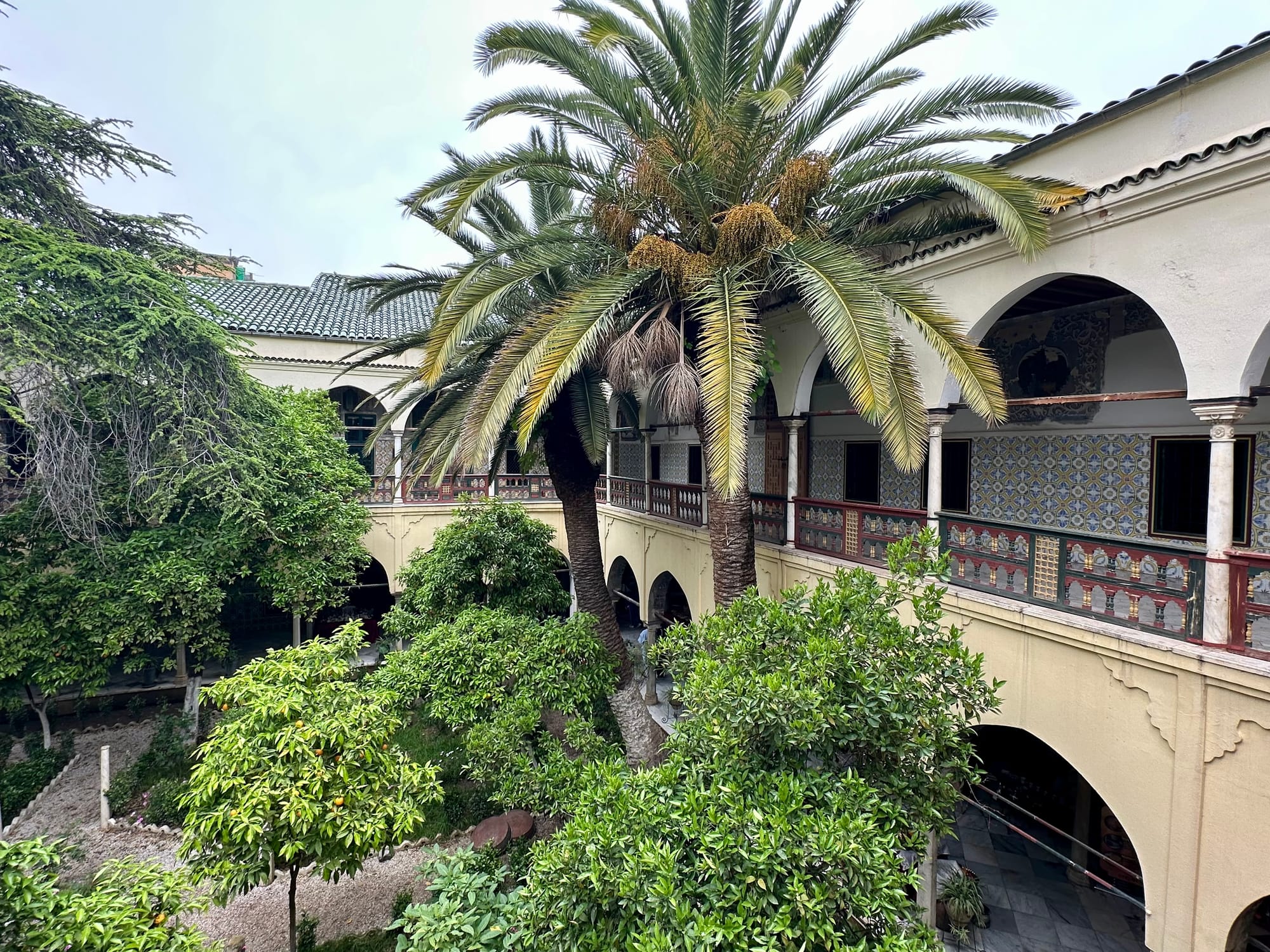
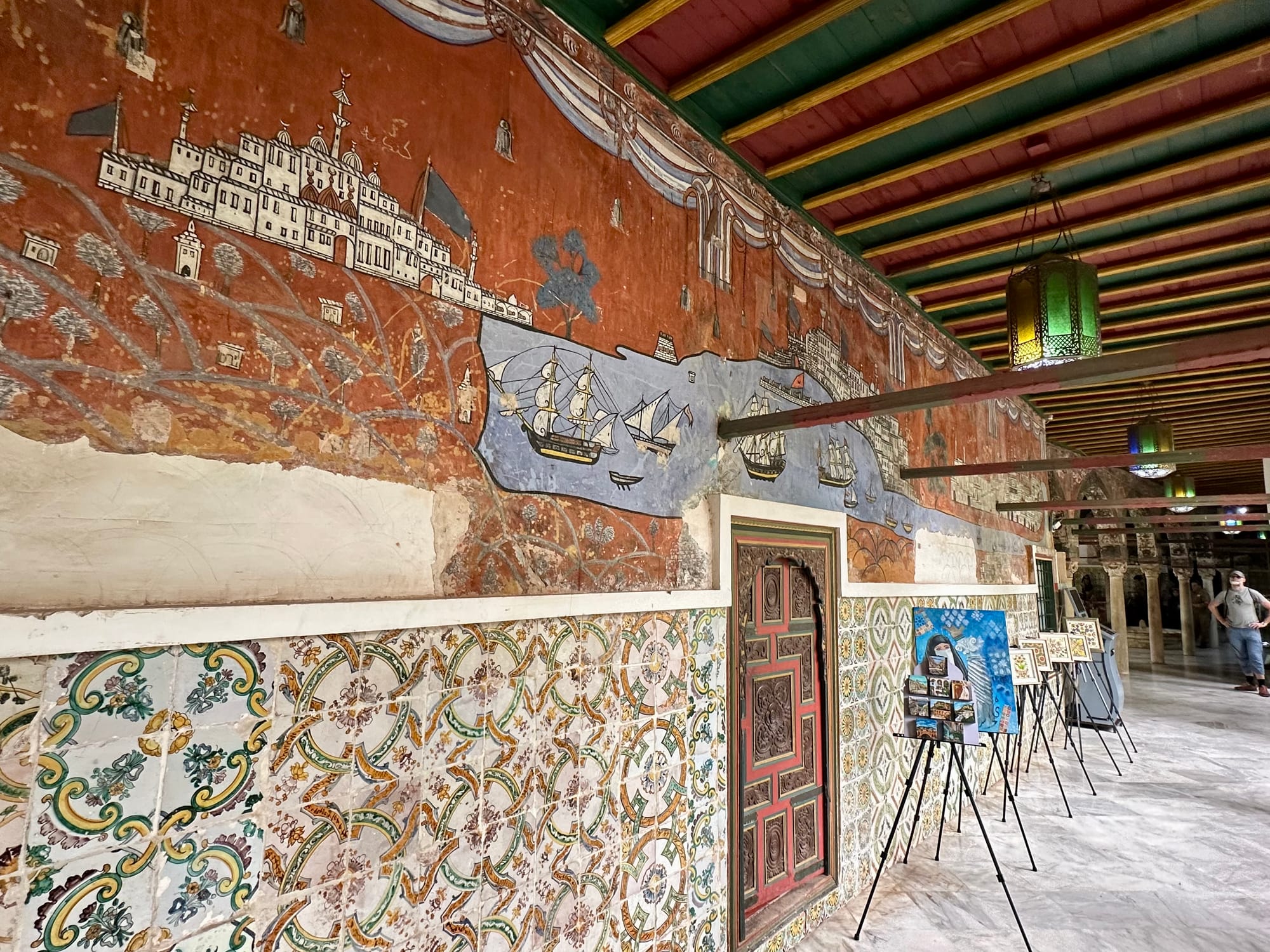
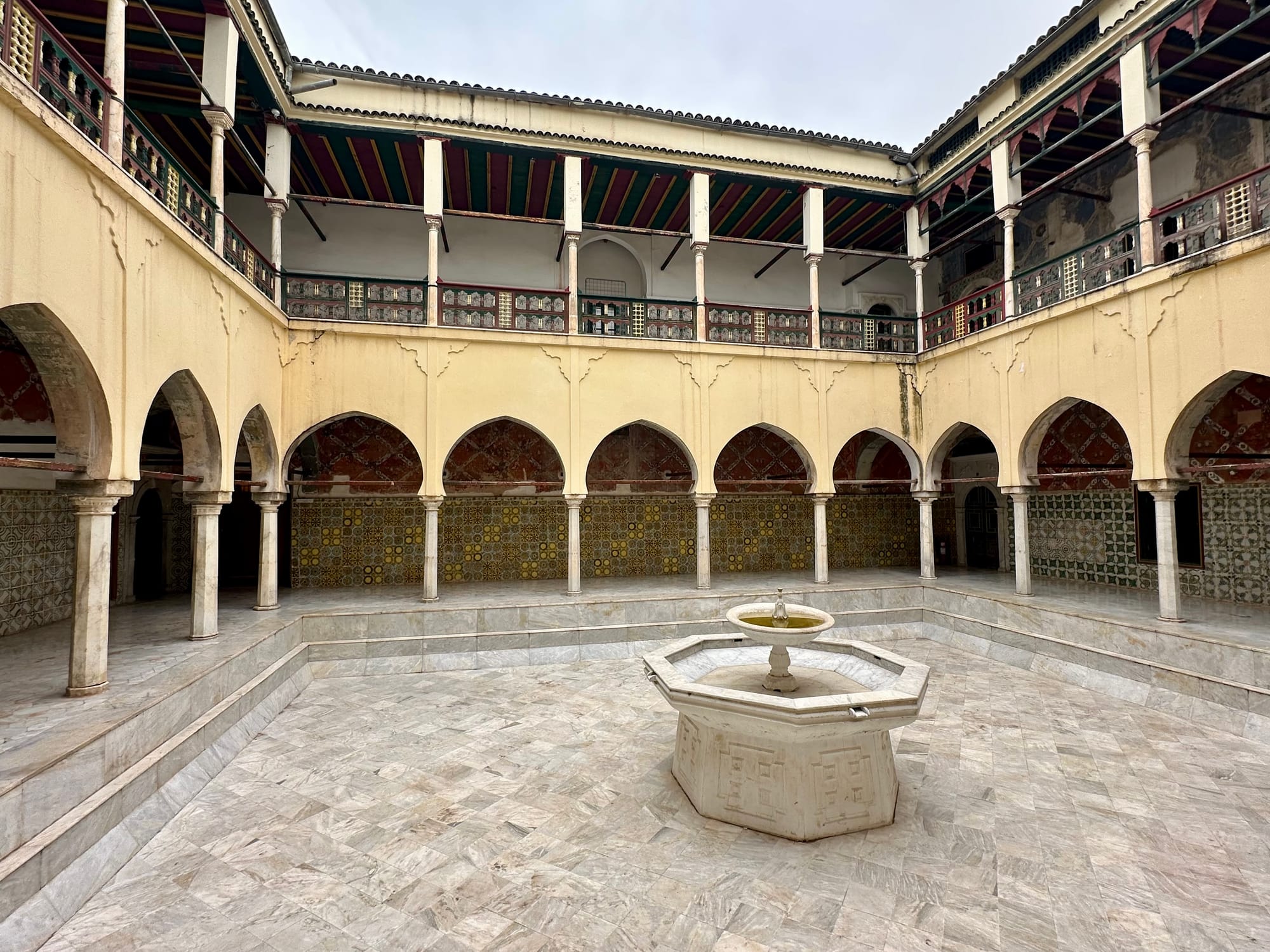
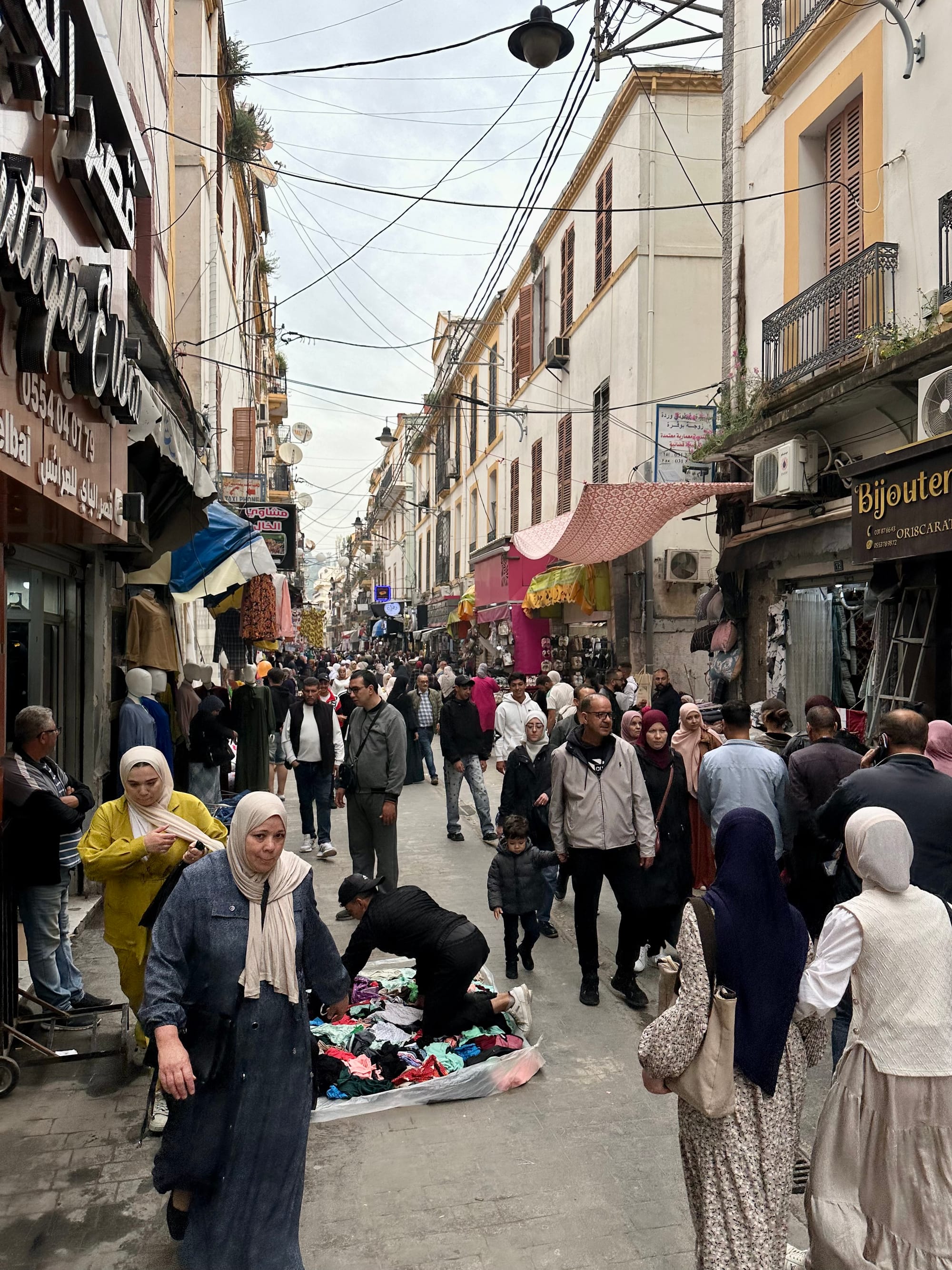
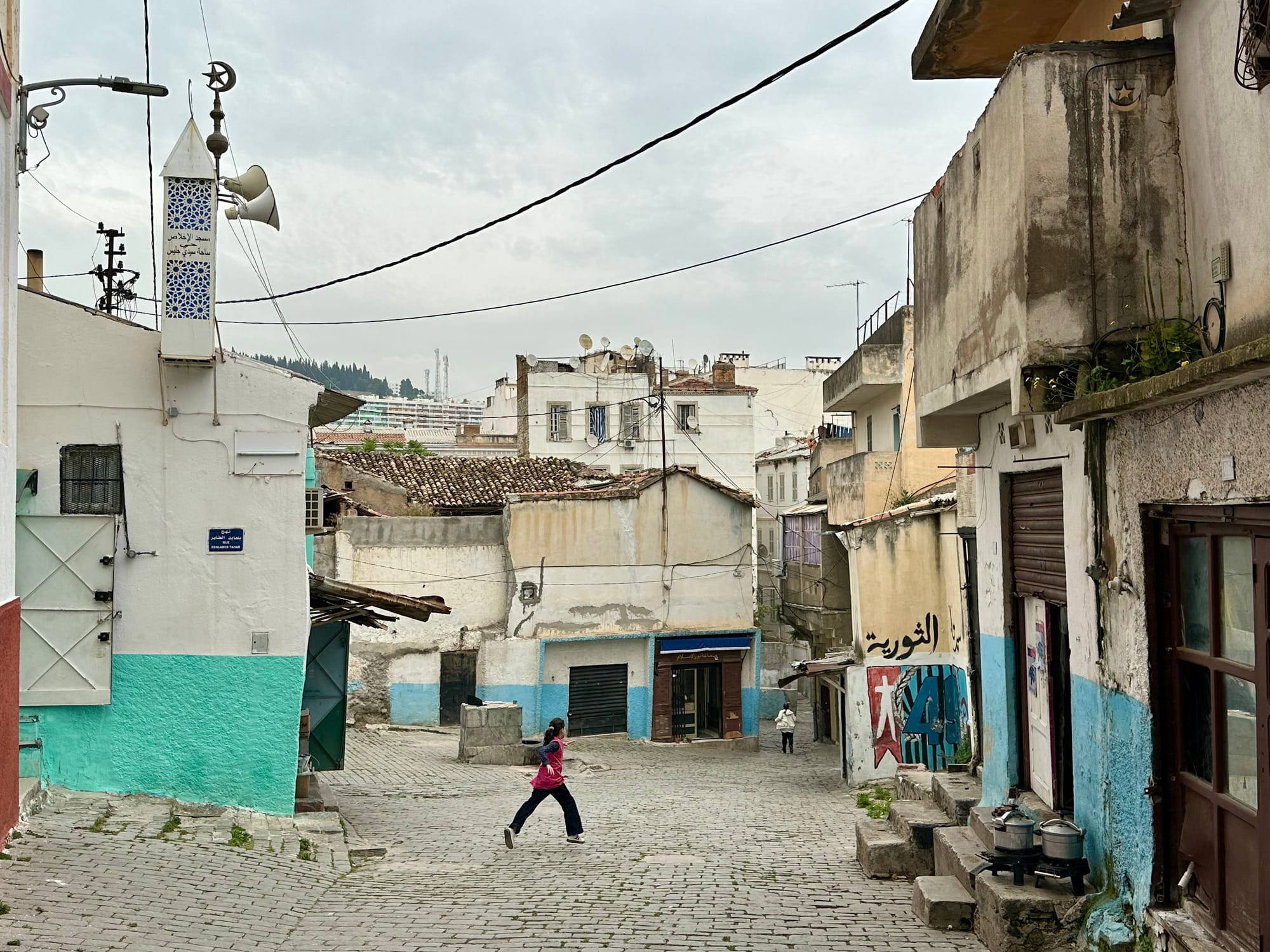
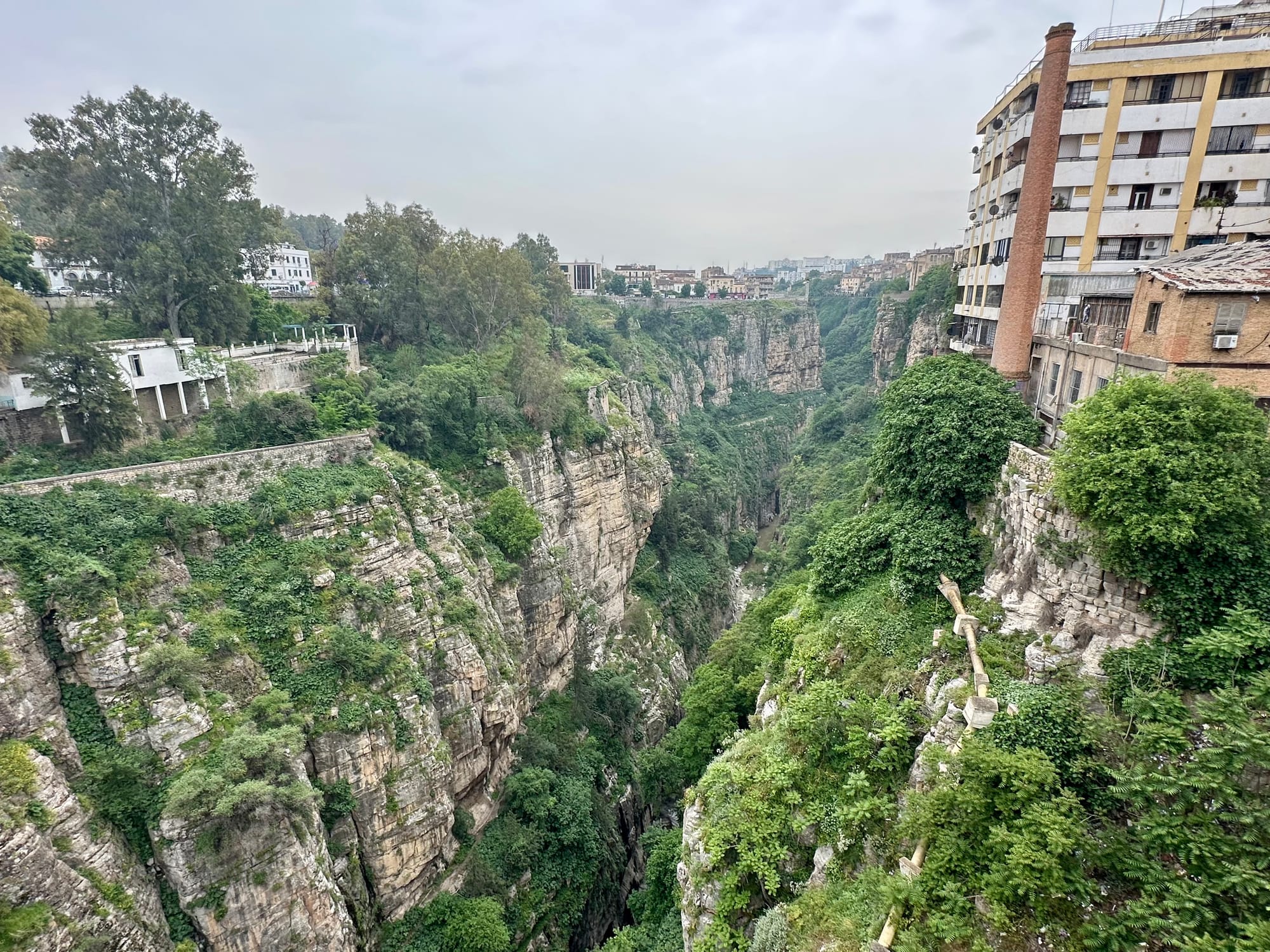
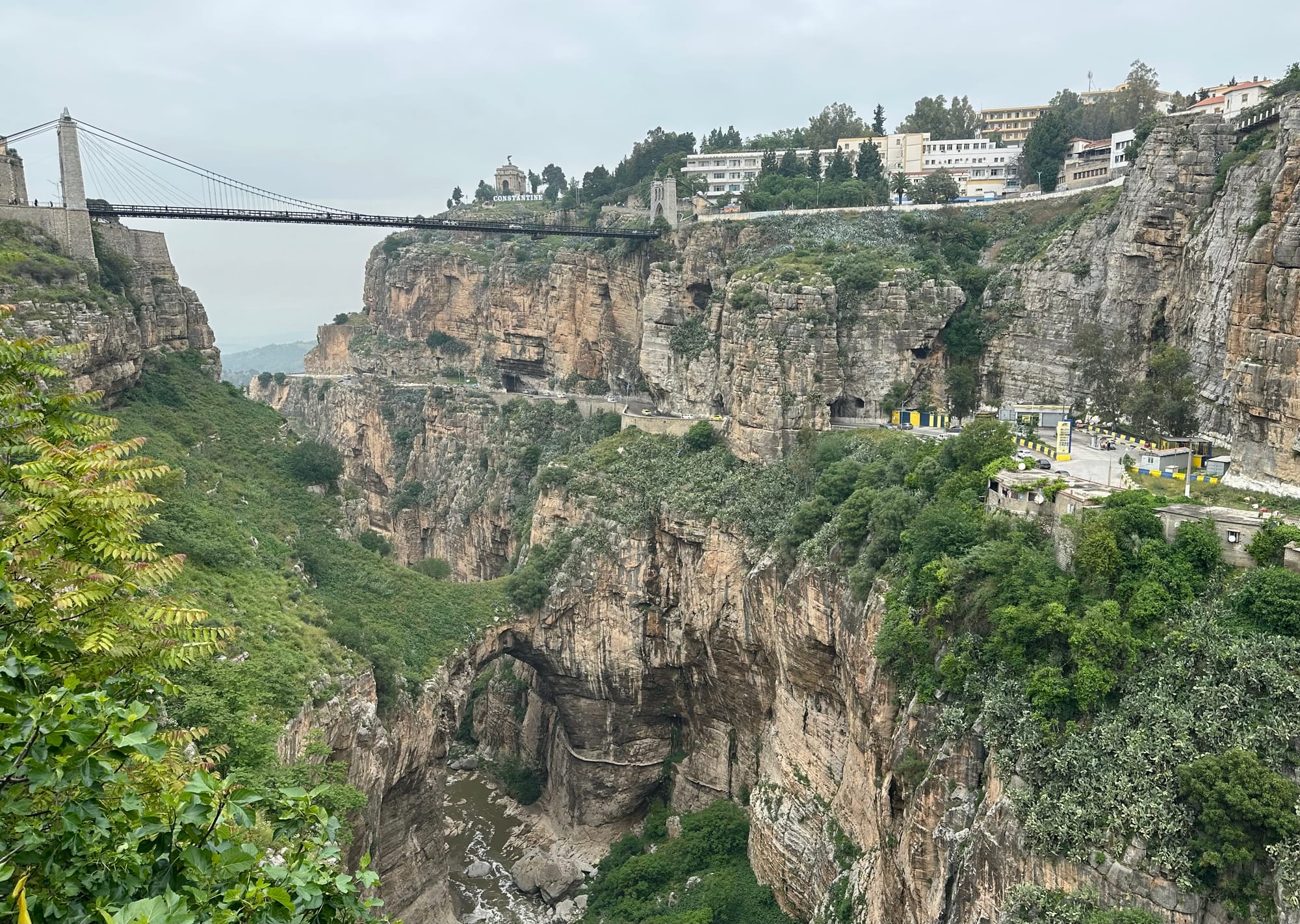
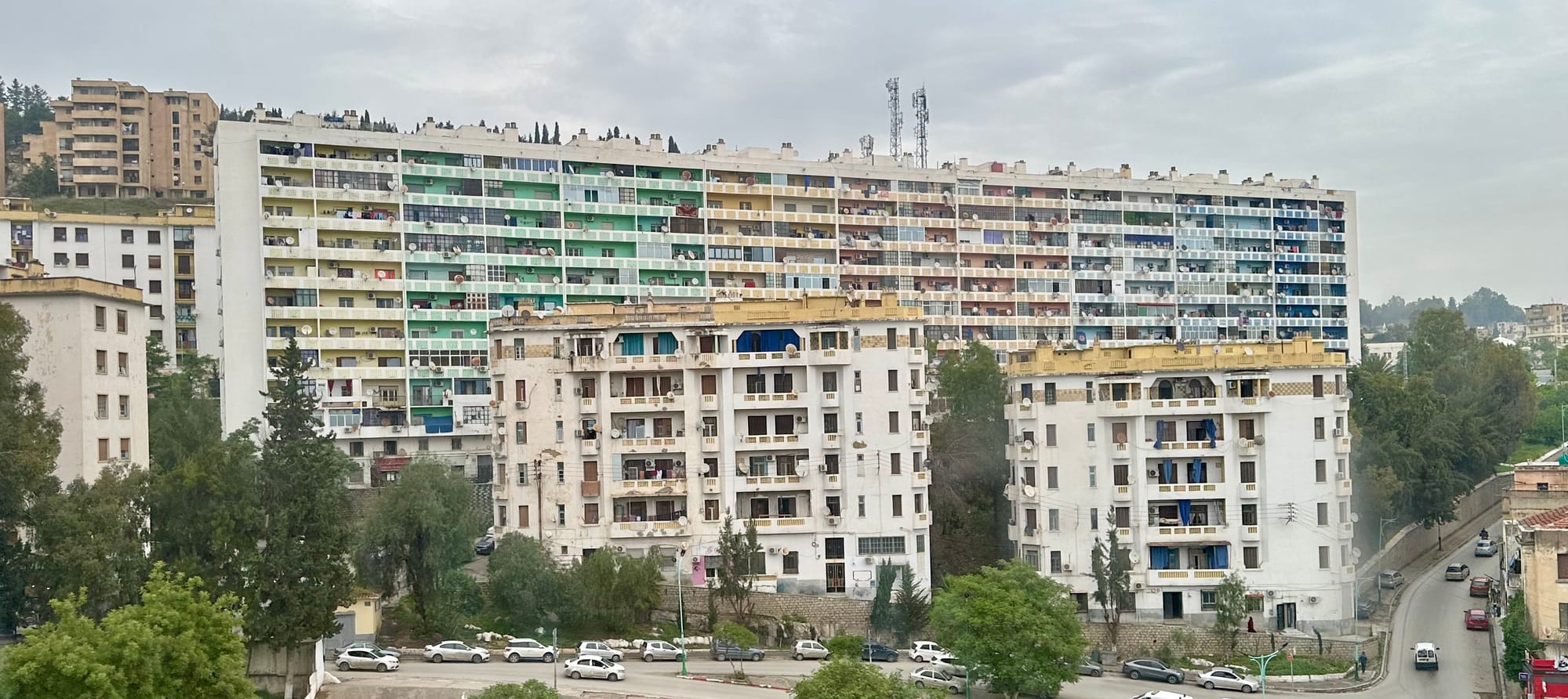
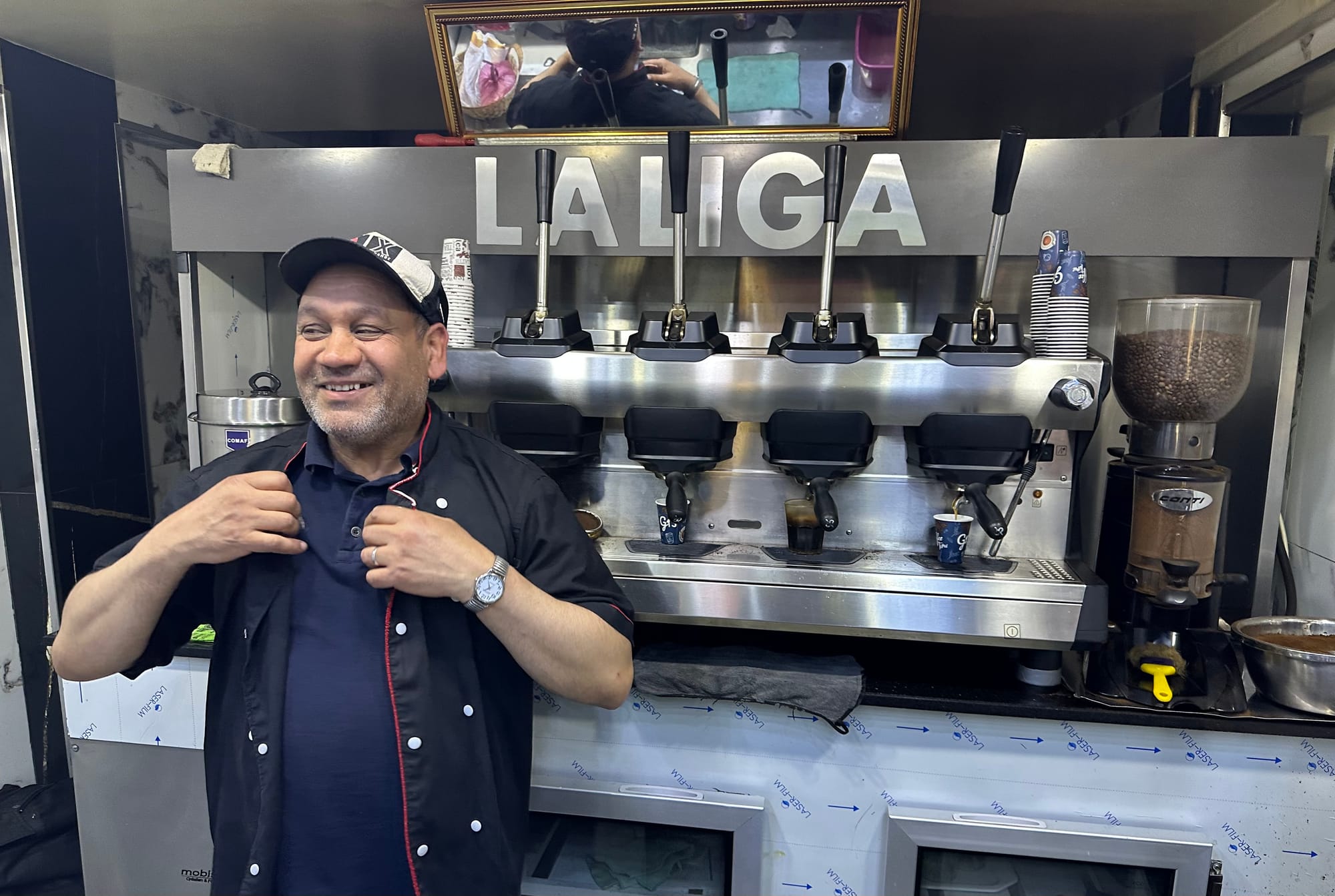
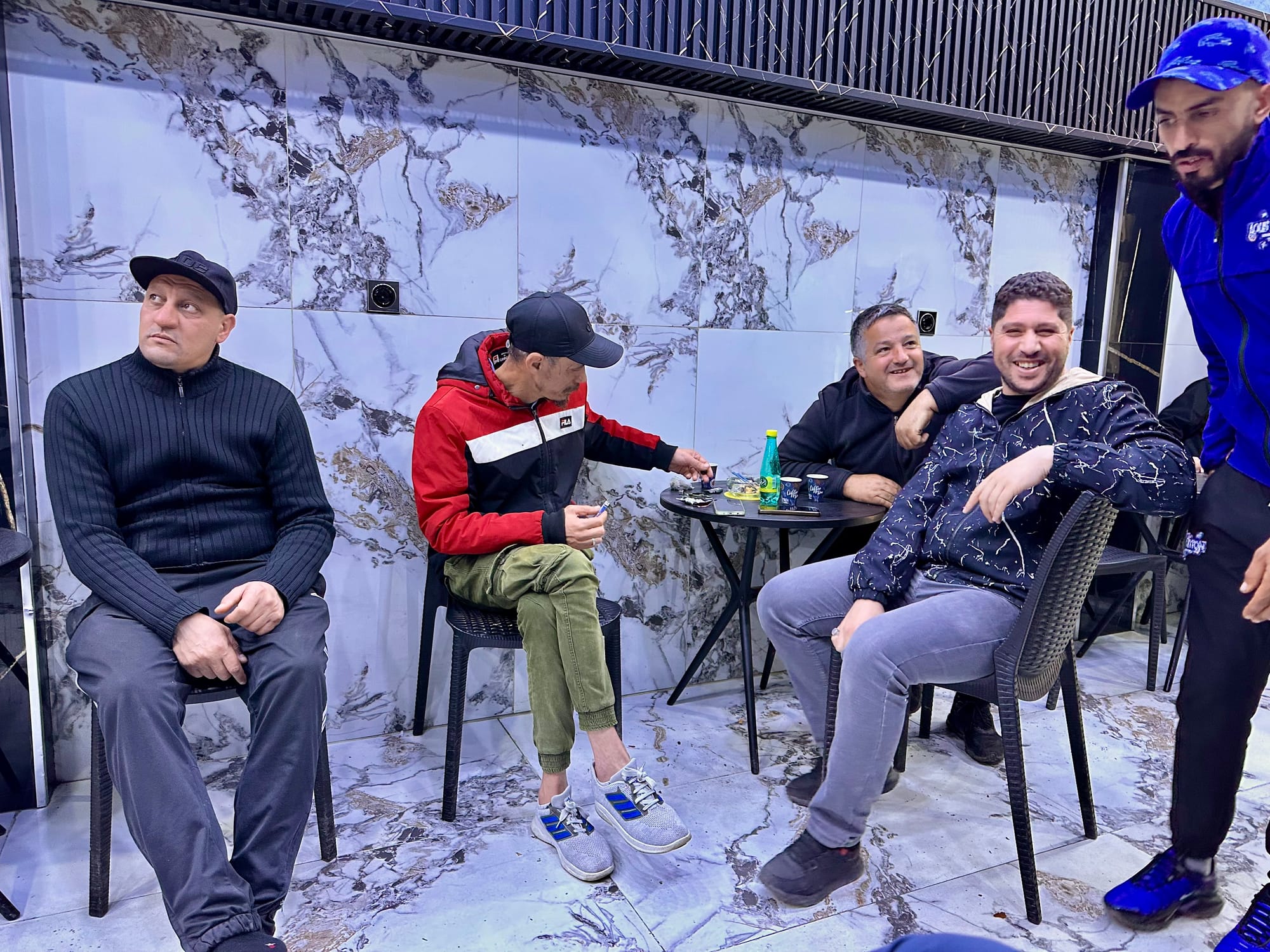
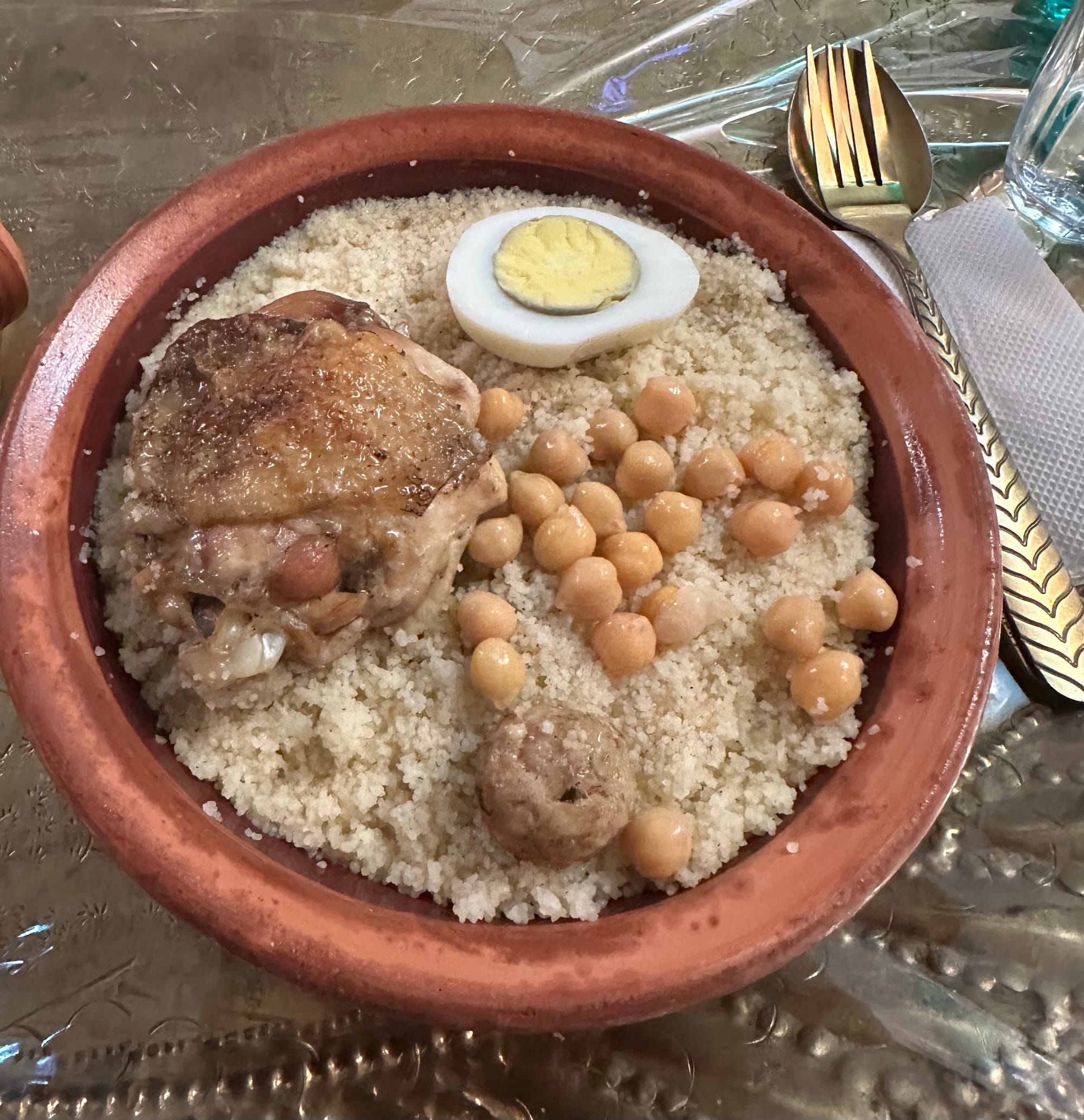
A peek inside the Ghazal Market mosque.At the entrance, I asked this gentleman who was just exiting, if there were any prayers going on at the moment and if I can enter freely. He was happy to chat and explain a few things about the history of the place.Just up the street was the Ahmed Bey Palace, the home of the regional governor in Ottoman times.Depictions of shipping communications with Istanbul at the time. Back then, I am told, they viewed the Ottomans as a bit more religiously lax compared to Algerians.The bustling main market street of the old town.Somewhat less bustling back alleys.The old town is surrounded by a canyon on two sides, with one side opening into a wider valley. I thus jokingly call it Kranj on steroids. If only we'd give Kokra a few more years... The photo was taken from the Bab El Kantra bridge.The Sidi M'Cid bridge, with a natural bridge just below it. Both spanning the Rhumel river canyon.Naturally, there's always a cable car for a quick shortcut as well as a scenic ride over the canyon.After a lot of walking, time to replenish my strengths at the La Liga cafe. Coffee is generally great in Algeria, as was La Liga's. A simple espresso shot with a small spoon of sugar is the preferred form.The patrons were very welcoming and up for a chat. At the mention of Slovenia, the first response was as usual: aaaa, Oblak! One would expect nothing less from the fans of La Liga.Looking further out at the outer neighbourhoods, the habit of not finishing the facades and keeping the option of building up further, is again quite clear. Still unsure if this is for tax reasons, or just awaiting further funding.The valley side of Constantine opens up. Notice the road going into the rock with a little bridge popping out for a few meters.Sidi M'Cid from the other side.How. Do. You. Stop. Taking. Photos. Here? Seriously, the selection process to get to the number of photos you're seeing was not easy.Old friends from the revolutionary times are not forgotten.Looking back to the Bab El Kantra bridge.For dinner, I had an M'Hawer at the Kaadet Zman restaurant. As you can see, it's a type of couscous with chicken, chickpeas, a boiled egg and a spiced meatball on top. The couscous isn't as dry as it looks, with a little bit of broth at the bottom seasoning it quite nicely.One last look from my balcony the next day, wishing I had this weather for all my photos, but alas, it was time to go.